
When threats lead to property damage, victims often focus only on the criminal case, but insurance and civil recovery run on their own timelines. Keeping thorough records from day one and knowing the two-year limitation period can make a real difference.
A 29-year-old Brampton man is facing an extortion charge after what Peel Regional Police describe as months of threats against a business owner and his family. Police say those threats ended in a fire at the victim's business. Cases like this raise criminal questions, and they can also raise questions about the legal rights of victims and property owners across the Greater Toronto Area.
According to Peel Regional Police, the victim began receiving demands for money in April. Police say the demands came with threats of violence aimed at his family, his home, his business and his personal property.
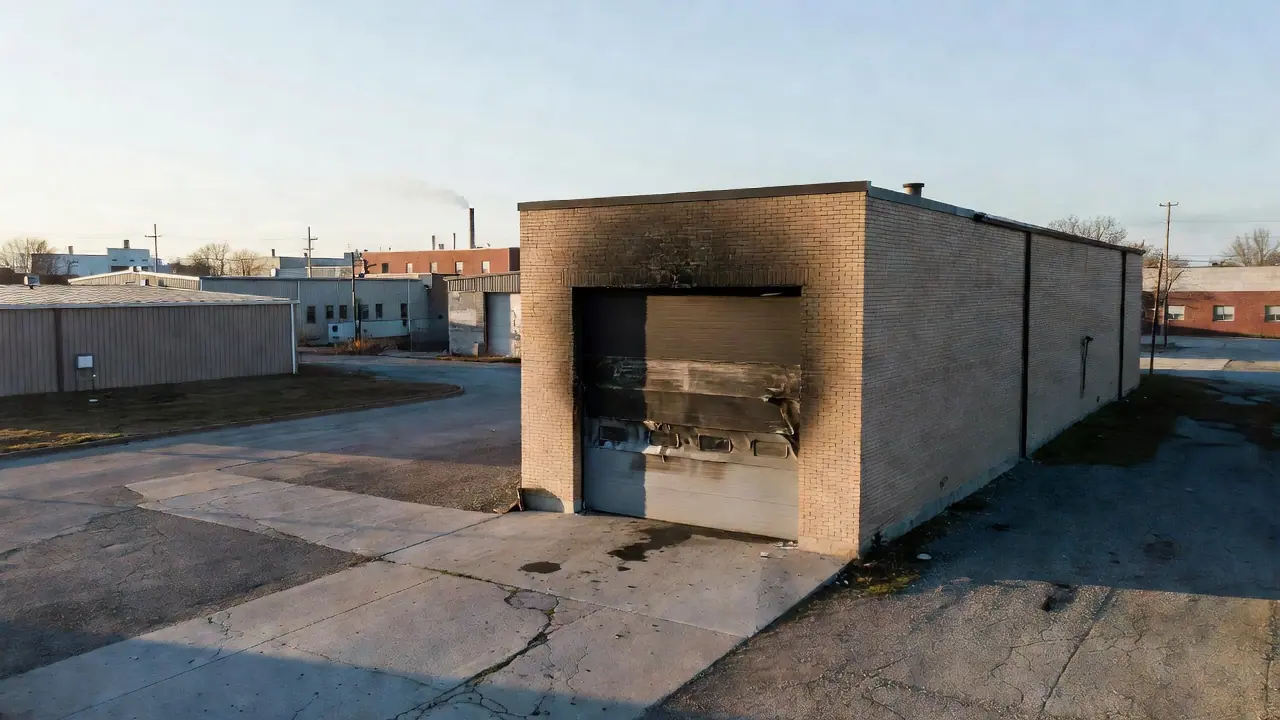
Police allege the threats escalated on Sept. 5 at around 4:45 a.m. They allege the accused poured a flammable liquid, believed to be gasoline, near a garage door of the victim's business and set it alight, and that a fire then broke out inside the premises. Police estimate the damage to the business and to nearby vehicles at about $100,000. The available report does not say where the business is located.
The man was arrested on Oct. 9 and charged with extortion. The allegations have not been tested in court, and he is presumed innocent unless a court decides otherwise. Police say the investigation is ongoing. They are asking anyone with information to contact the Peel Regional Police Major Crimes Unit at 905-453-2121, ext. 2290.
In a separate case reported the same day, Hamilton Police say a 22-year-old Hamilton man is facing several charges after officers seized roughly 1.2 kilograms of suspected fentanyl from his vehicle during a traffic stop on Wednesday. Police said an officer pulled the driver over in the area of Munroe Street and Niagara Street after noticing the vehicle travelling erratically. During the stop, the officer allegedly saw cannabis readily available to the driver, and police say that led to a search of the vehicle. The specific charges were not listed in the available report, and none of the allegations in either case have been tested in court.
Key Takeaways
A 29-year-old Brampton man was arrested on Oct. 9 and charged with extortion, according to Peel Regional Police
Police say money demands and threats against the victim's family, home, business and property began in April
Police allege a fire set near a garage door of the victim's business on Sept. 5 led to about $100,000 in estimated damage to the business and nearby vehicles
In Hamilton, police say about 1.2 kg of suspected fentanyl was seized during a traffic stop near Munroe St. and Niagara St.
The allegations in both cases have not been tested in court, and the Peel investigation is ongoing
UL Lawyers Insight
For Ontario business owners and families, this case shows that threats demanding money are a serious criminal matter. Under the Criminal Code, extortion generally means using threats, accusations or violence to try to get something from someone. Police treat it seriously. If you are receiving threats like this, report them to police right away rather than handling them alone.
A criminal case does not automatically pay a victim for damaged property or lost business. Victims usually look first to their own property or commercial insurance. A separate civil claim may also be possible, and experienced litigation lawyers can help weigh whether one makes sense. A criminal court can sometimes order restitution, but that is not guaranteed.
The Hamilton stop is also a reminder about Ontario's cannabis rules for drivers. Under the Cannabis Control Act, 2017, cannabis in a vehicle generally must be in its original sealed packaging or stored where the driver cannot reach it. Our legal resource library has more plain-language guides on knowing your rights.
Action Checklist
What You Should Do
Report threats or demands for money to police immediatelyUrgent
Early reporting helps police investigate and creates an official record of what happened
Preserve every threatening message, call log and voicemailUrgent
Screenshots and saved records can be key evidence for police and for any insurance or civil claim
Notify your property or commercial insurer of any damageUrgent
Most policies require prompt notice, and delays can complicate your claim
Document property damage with photos, video and repair estimatesUrgent
Detailed records support insurance claims and any request for restitution
Secure your business and home with cameras and lighting
Security footage can protect your property and help any future investigation
Note the two-year limitation period under the Limitations Act, 2002
Civil claims for property losses generally must be started within two years of discovering the damage
Ask about your rights as a victim in the criminal process
Ontario and federal victims' rights laws give you access to case information and the option to request restitution
Your Rights and Options
If you are a business owner or homeowner facing threats like those Peel police describe, you have the right to report them and to be treated with courtesy and respect by the justice system. Ontario's Victims' Bill of Rights, 1995 and the federal Canadian Victims Bill of Rights give victims rights to information about the case, protection and consideration in the process. Restitution can be requested through the Criminal Code, but it depends on the outcome of the case.
If your property was damaged, your own insurance policy is often the first source of recovery. You may also have a separate civil claim. Under Ontario's Limitations Act, 2002, you generally have two years from the date you discovered the damage to start a lawsuit. You do not need to wait for the criminal case to finish. If you are unsure where to begin, you can request a free consultation to review your options.
Common Questions Answered
How UL Lawyers Can Help
Living with threats against your family, your home or your business is frightening, and dealing with property damage on top of that can feel overwhelming. You should not have to sort out insurance claims, deadlines and legal options on your own. At UL Lawyers, we can explain your rights as a victim, review your insurance coverage and help you understand whether a civil claim may help you recover your losses. We serve clients in Mississauga, Brampton, Toronto and across the GTA, and we offer a free consultation so you can get clear answers before deciding anything.
Dealing with threats or property damage and not sure what comes next? Talk to our team for a free, no-pressure conversation about your rights and options.
Ontario Road Report
One email a week with the road and collision stories we covered in your city and across Ontario.
About this article:
Summary prepared with AI assistance from the linked source's reporting. Edited by UL Lawyers for Ontario context.
Accompanying images are AI-generated illustrations, not photographs of actual events or persons.
Important Legal Disclaimer
This page provides general information about criminal charges reported by Peel Regional Police and Hamilton Police and is not legal advice. The individuals described are presumed innocent, and the allegations have not been tested in court. Insurance coverage, victims' rights and civil claims depend on your specific circumstances, so please speak with a lawyer about your situation before making decisions.
Source: TheTorontoSun
Named in this article? Request content removal