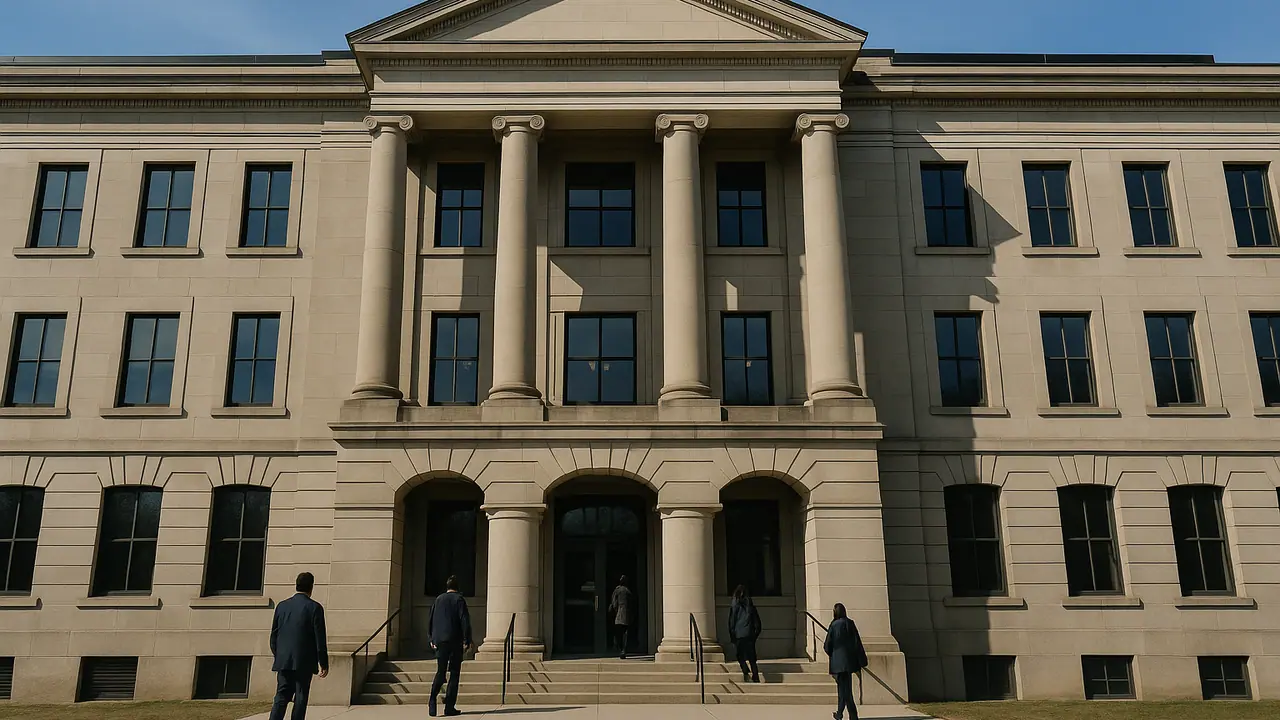

This case exemplifies the crucial balance between offender rehabilitation and victim rights within our parole system.
Clinton Gayle, the convicted killer of Toronto Police Constable Todd Baylis, is once again seeking parole. This marks his fourth attempt to gain release from a life sentence for the first-degree murder of Baylis and the attempted murder of Constable Mike Leone. The incident occurred in June 1994 at a public housing building on Trethewey Drive, Toronto, when Gayle, a drug trafficker, shot Baylis during a routine patrol.
Gayle had been on bail, prohibited from possessing weapons, and under a deportation order that had been neglected, allowing him to continue his criminal activities. As Gayle, now 58, prepares for his parole hearing, Baylis's family faces the emotional strain of revisiting a painful chapter in their lives. UL Lawyers Legal Team continues to monitor such developments, which have significant implications for Ontario's justice system.
Key Takeaways
Clinton Gayle seeks parole for the fourth time since his conviction.
Victim rights and parole processes are central to the case.
The case highlights systemic issues in bail and deportation enforcement.
UL Lawyers Insight
The repeated parole hearings for Clinton Gayle spotlight important aspects of the Canadian justice system, particularly concerning parole eligibility and victim rights. For Ontario residents, this case underscores the challenges in balancing rehabilitation opportunities for offenders with the ongoing trauma experienced by victims' families. It also raises questions about the effectiveness of deportation orders and bail conditions in preventing future crimes.
Understanding these legal nuances is crucial for those involved in criminal justice and victim advocacy. For individuals affected by similar circumstances, consulting with legal experts can provide clarity on litigation processes and parole hearings.
Action Checklist
What You Should Do
Participate in the parole hearingUrgent
Prepare and submit a victim impact statement to express how the crime affected you.
Understand your rights under the Canadian Victims Bill of Rights
Ensure you know your rights to information and participation in the parole process.
Consult with a legal professionalUrgent
Seek guidance on navigating parole hearings and victim participation rights.
Stay informed about developments in the case
Request updates on the parole hearing outcomes and any changes to the offender's status.
Your Rights and Options
Ontario residents should be aware that the parole process involves a careful review of an offender's rehabilitation progress and potential risk to the community. Victims and their families have the right to participate in parole hearings, providing statements that express the impact of the crime on their lives. This participation is protected under the Canadian Victims Bill of Rights, which ensures victims can share their perspectives and be informed of key developments in the offender's case.
If you are affected by a similar situation, you have the right to seek legal counsel to understand the complexities of the parole system and your rights as a victim. Engaging with legal professionals can help navigate these challenging processes and ensure your voice is heard during parole hearings.
Common Questions Answered
How UL Lawyers Can Help
Dealing with the parole process can be overwhelming, especially for victims and their families. At UL Lawyers, we are committed to supporting you by providing compassionate legal guidance tailored to your needs. Our team will help you understand your rights, prepare impactful victim statements, and offer representation during parole hearings. Reach out for a free consultation to discuss how we can assist you in navigating the legal system with confidence and care.
If you're facing a similar situation, our team is here to help you navigate the parole process and understand your rights.
About this article:
Summary prepared with AI assistance from the linked source's reporting. Edited by UL Lawyers for Ontario context.
Accompanying images are AI-generated illustrations, not photographs of actual events or persons.
Important Legal Disclaimer
This article is for informational purposes only and does not constitute legal advice. For specific legal advice, please consult a qualified professional.
Source: TheTorontoSun
Named in this article? Request content removal