
When a pedestrian is hurt or killed by a transit vehicle, Ontario law looks at the full picture, from crossing design and warnings to how the vehicle was operated, before any conclusions about fault are reached. Families do not need to wait for every answer before learning what their legal options are.
A woman has died after being struck by an Eglinton Crosstown LRT train on Wednesday evening, November 18, 2026, in North York. The collision happened at about 6 p.m. in the Eglinton Square and O'Connor Drive area, near Victoria Park Avenue, along Line 5 of Toronto's transit system. Tragedies like this one leave families with painful questions, including questions about pedestrian safety and pedestrian accident claims in Ontario.
Toronto Police said officers responded just after 6 p.m. after receiving reports that a pedestrian had been struck by a vehicle on Line 5. According to police, the woman was taken to hospital with serious injuries and was pronounced dead later that night. CityNews reported that she was an adult, but her exact age was not known. The circumstances leading up to the collision were also not known at the time of reporting, and a Toronto Police inspector was expected to speak to the media late Wednesday night.
The collision disrupted service on the new line. According to the TTC Service Alerts account, Line 5 remained closed between Sloane and Pharmacy stations, with shuttle buses running in place of trains. The Toronto Sun reported that an email seeking comment from the TTC was not immediately returned.
This is not the first time a pedestrian has died in this part of the Crosstown corridor. According to CityNews, Wednesday's collision is at least the second fatality associated with that area of the LRT. In August 2025, a 64-year-old woman was struck and killed by a train, months before Line 5 officially opened to riders in February. CityNews reported at the time that she was struck just metres from a designated crossing in the Eglinton Avenue East and Pharmacy Avenue area, which is roughly one block east of where Wednesday's collision took place.
After the August 2025 incident, Toronto Police spokesperson Brian Maslowski told CityNews that the train operator had tried his best to warn the woman. Maslowski said that, for reasons that were not known, she crossed into the path of the moving train, suffered life-threatening injuries, and was rushed to a local trauma centre.
No details have been released about how Wednesday's collision happened, and police have not said whether the two incidents are connected in any way. For now, the family of the woman who died is facing a sudden and devastating loss, and riders and residents in the Eglinton Square and Victoria Park area are left waiting for more information.
Key Takeaways
A woman died after being struck by an Eglinton Crosstown LRT train near Eglinton Square and O'Connor Drive, near Victoria Park Avenue, at about 6 p.m. Wednesday
She was taken to hospital with serious injuries and pronounced dead later that night; the circumstances of the collision were not known
Line 5 was closed between Sloane and Pharmacy stations, with shuttle buses replacing trains
CityNews reports a 64-year-old woman was struck and killed about a block east, near Eglinton Avenue East and Pharmacy Avenue, in August 2025
Fault in pedestrian-transit collisions depends on the specific facts and is not assumed in Ontario law
UL Lawyers Insight
When a pedestrian is struck by a transit vehicle, no one should assume who is at fault. Ontario law looks at all of the facts, which can include how a crossing is designed and marked, what warnings and signals were in place, how the vehicle was operated, and what the pedestrian was doing. Under Ontario's Negligence Act, fault can also be shared, with compensation reduced in proportion to each party's share of blame.
Collisions involving light rail can be more complicated than a typical car crash. Several public bodies or companies may be involved in building, operating, or maintaining a transit line, and whether accident benefits apply when a rail vehicle is involved can be a technical legal question. Families and injured people may need to wait for police to share what they know, but evidence such as video footage and witness memories can fade quickly.
If you want to understand these issues in more depth, our legal resource library covers pedestrian injuries, insurance, and how claims work in Ontario.
Action Checklist
What You Should Do
Get medical attention right awayUrgent
Prompt treatment protects your health and creates a medical record of your injuries
Record the exact location of the collisionUrgent
Note the nearest LRT station, crossing, intersection, and any signals or signs, such as near Eglinton Square or Victoria Park Avenue
Collect witness names and contact detailsUrgent
Riders, drivers, and bystanders may remember details that are not captured elsewhere
Identify possible video sources quicklyUrgent
Transit, traffic, and nearby business cameras may record over footage within days
Notify your own auto insurer as soon as possibleUrgent
Ask whether accident benefits may apply; notice deadlines can be very short
Obtain the police report or incident number
Official records help clarify what authorities have documented about the collision
Keep records of all expenses and lost income
Save receipts for medical care, funeral costs, travel, and time away from work
Mark the two-year limitation period
Most claims under the Limitations Act, 2002 must be started within two years
Your Rights and Options
If a loved one is killed because of someone else's negligence, Ontario's Family Law Act allows certain family members, including spouses, children, grandchildren, parents, grandparents, and siblings, to bring a wrongful death claim. These claims can cover funeral expenses, lost financial support, and the loss of guidance, care, and companionship. Under the Limitations Act, 2002, most claims must be started within two years, and the specific facts of a transit collision can affect who may be named in a lawsuit.
If you are a pedestrian hurt near an LRT line like the Eglinton Crosstown, keep a record of the exact location, such as the nearest station or crossing, and gather witness details. Whether you can access accident benefits depends on the vehicle involved and your own insurance, so it is wise to speak with a lawyer early.
Common Questions Answered
How UL Lawyers Can Help
Losing someone suddenly, or being badly hurt yourself, can turn your whole world upside down, and the last thing you need is to sort out legal questions alone. At UL Lawyers, we help pedestrians and families across Toronto, Mississauga, Brampton, and the GTA understand what happened and what options they have. We can help you gather the right evidence, deal with insurers, and explain your rights under Ontario law in plain language. We work on a contingency basis, so you pay no fee unless we win. A free consultation is a no-pressure way to get answers.
If you or someone you love has been hurt or lost near a transit line, you don't have to sort through the legal questions alone. Reach out for a free, no-pressure conversation about your options.
Ontario Road Report
One email a week with the road and collision stories we covered in your city and across Ontario.
About this article:
Summary prepared with AI assistance from the linked source's reporting. Edited by UL Lawyers for Ontario context.
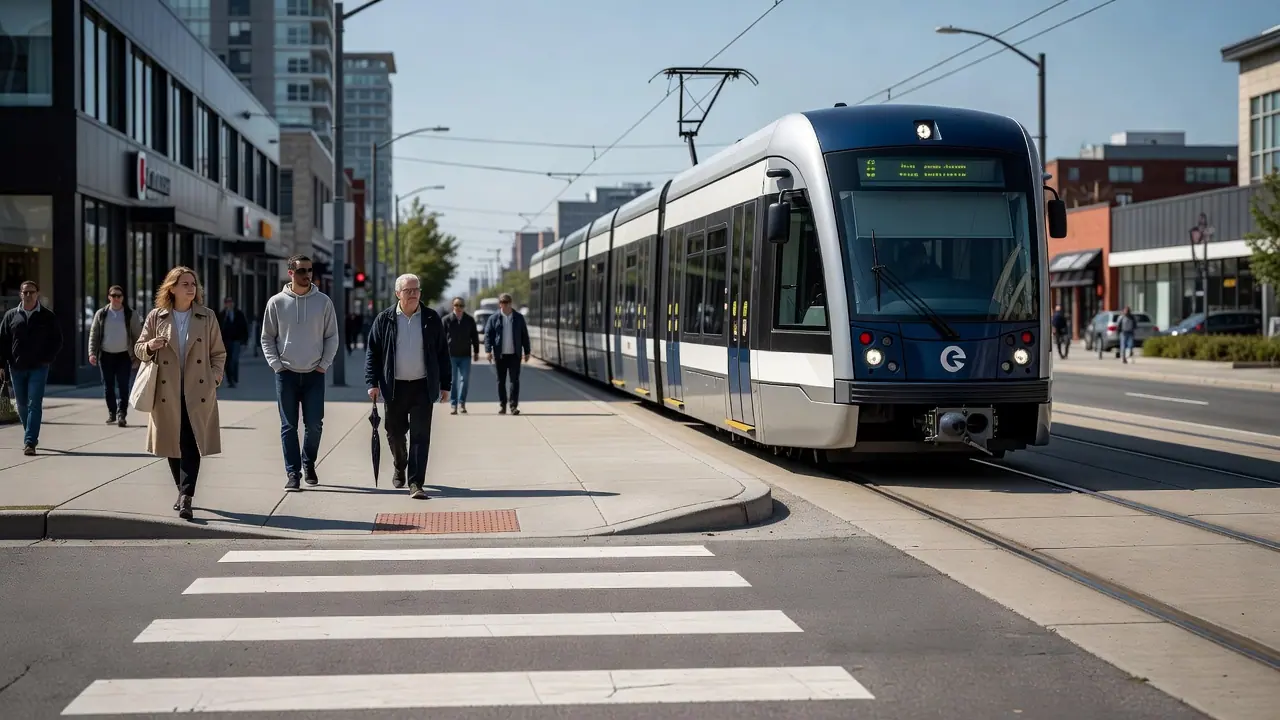
Accompanying images are AI-generated illustrations, not photographs of actual events or persons.
Important Legal Disclaimer
This page provides general information based on early news reports about a fatal Eglinton Crosstown LRT collision in North York and is not legal advice. Details of the incident were limited at the time of reporting, and nothing on this page suggests fault by any person or organization. Every pedestrian injury or wrongful death situation is different, so please speak with a qualified Ontario lawyer about your specific circumstances.
Source: TheTorontoSun
Named in this article? Request content removal