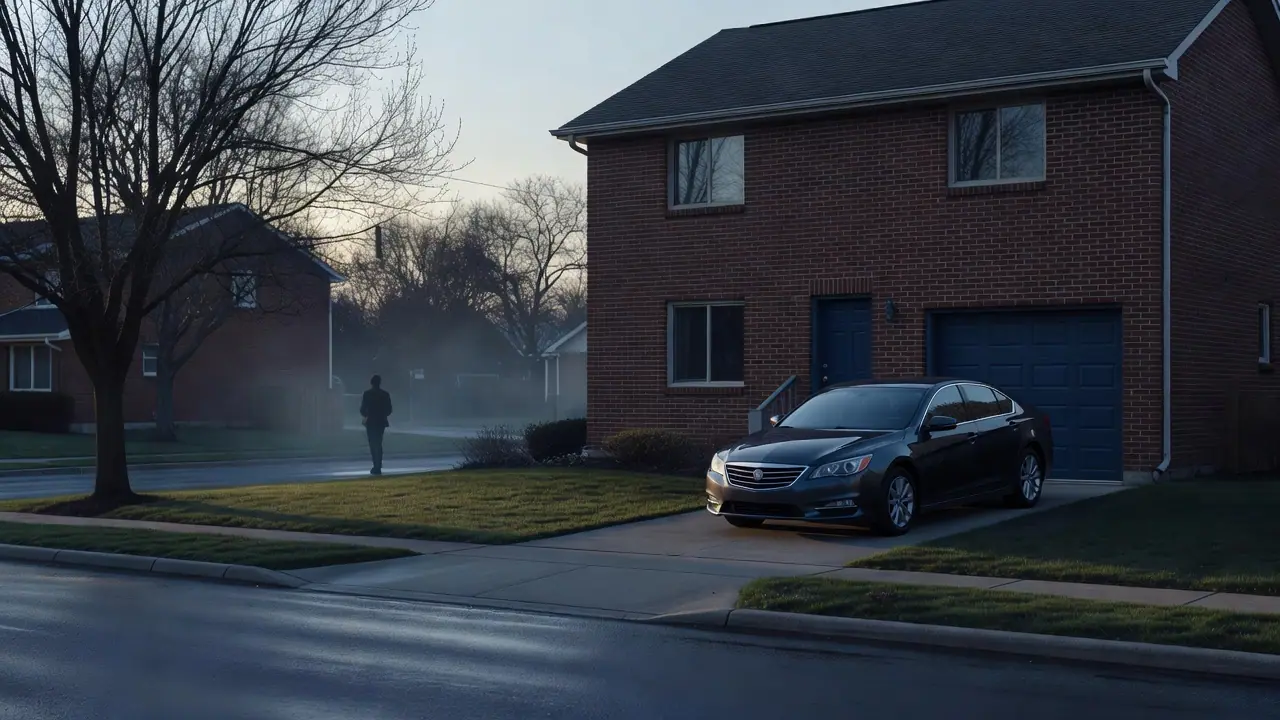

When police allege that home invasions are being planned around detailed personal information, it's a reminder that victims in Ontario have more options than the criminal process alone. Support programs, insurance and civil claims can all play a role in recovery, but each comes with its own rules and deadlines.
York Regional Police have tied what they describe as a vast gun-for-hire network to a handful of home invasion plots that targeted houses across southern Ontario in early 2026, according to court documents released to the Toronto Star. The Star's report, published November 28, 2026, by reporters Abby O'Brien, Jennifer Pagliaro and Raju Mudhar, draws on text messages that police say were exchanged over encrypted messaging platforms and later extracted by investigators. Police have also linked the same alleged network to a series of high-profile shootings, including at the U.S. consulate and at synagogues and Jewish schools, and to the targeting of waste management executives.
One of the documents was titled "Mission overview." It set out step-by-step instructions for robbing a house in Thorold, Ont., a community just south of St. Catharines. It named two targets: a 19-year-old man who had recently received a family inheritance, and his girlfriend. According to the document, the couple would be asleep at 7 a.m. and their vehicles would be parked in the driveway and garage. It also said the home had no security cameras, and that this information came from a recent scouting trip.
The detail went further. The instructions claimed the young man kept a semi-automatic rifle inside a guitar case in the closet of his master bedroom. They also described the household's dog. The document said the dog was old and would probably be in its cage in the early morning. It said the dog could be called off with a snap of the fingers and a hand placed at the hip. It told readers not to use excessive force on the animal, but to kick it if necessary.
The Star says the documents show how casually and callously these jobs are allegedly being planned, prepared and carried out. The documents also suggest that people breaking into homes across the GTA and beyond may know far more about what is inside than the public previously understood. For anyone following developments in Ontario law, the report offers a rare look at how police allege these home invasions are organized.
The new details surfaced shortly after a home invasion in midtown Toronto on Wednesday left a beloved local musician dead. The incident shocked the city and raised fresh concerns about public safety. Police have not said why that home may have been targeted. They said only that they have no evidence the victim or anyone else living there was an intended target for violence. The Star's report does not say that incident is connected to the network. Separately, the Star has reported on a botched, GFL-linked shooting that may have helped police unravel the alleged network.
The police allegations described in these documents have not been tested in court. The reporting does not make clear whether the Thorold plan was ever carried out.
Key Takeaways
York Regional Police say encrypted texts tie an alleged gun-for-hire network to several home invasion plots across southern Ontario in early 2026.
A document titled "Mission overview" detailed a plan to rob a home in Thorold, just south of St. Catharines, targeting a 19-year-old who had recently received an inheritance and his girlfriend.
Police have linked the same alleged network to shootings at the U.S. consulate, synagogues and Jewish schools, and to the targeting of waste management executives.
The allegations have not been tested in court, and the reporting does not say whether the Thorold plan was carried out.
Victims of violent crime in Ontario may have access to provincial support programs, insurance coverage and civil claims, and most lawsuits must be started within two years.
UL Lawyers Insight
For Ontario homeowners and renters, this story is a reminder that home invasions can allegedly be planned around personal details. Those details can include who lives in a home, when they sleep and what valuables they keep. Under the Criminal Code, breaking into a home while people are inside is treated as an aggravating factor at sentencing. That means courts can impose tougher penalties when an occupied residence is targeted.
Criminal court is only one part of the picture, though. People harmed in a home invasion may also have options in civil court. There, a claim for damages can be pursued separately from any criminal case. The legal test in civil court is the balance of probabilities, not proof beyond a reasonable doubt. Speaking with experienced litigation lawyers can help victims understand whether a civil claim makes sense, who could be named, and whether insurance or other sources of recovery may be available.
The report also raises practical questions about privacy. Police allege that details such as an inheritance or a firearm stored in a closet ended up in a criminal planning document. Ontarians may want to think carefully about who knows what about their homes, routines and finances.
Action Checklist
What You Should Do
Call 911 and get to a safe place if your home is broken intoUrgent
Your safety comes first. Don't confront intruders, and let police secure the scene.
Leave the scene as it is until police have finishedUrgent
Avoid cleaning up or moving items so that evidence is preserved for the investigation and any later claim.
Get the police occurrence or report numberUrgent
Insurers, Victim Services and lawyers will usually ask for it.
Notify your home or tenant insurer promptlyUrgent
Most policies require timely notice, and delays can put your coverage at risk.
Contact Victim Services about VQRP+ support
Ask about eligibility and timing for help with counselling, emergency repairs or funeral costs.
Keep records of injuries, counselling and losses
Medical notes, receipts and repair invoices support insurance and civil claims.
Limit what you share about finances, valuables and routines
Be careful with details such as an inheritance or where valuables are kept, especially online.
Speak with a lawyer about the two-year limitation period
The Limitations Act, 2002 generally gives you two years to start a civil claim in Ontario.
Your Rights and Options
If you or your family are ever targeted in a home invasion like the ones police describe here, Ontario law gives you rights both as a victim and as a potential claimant. Ontario's Victims' Bill of Rights, 1995 sets out principles for how victims should be treated in the justice system. The province's Victim Quick Response Program+ (VQRP+), available through local Victim Services agencies, can provide short-term financial help after a violent crime. That help can include counselling, emergency home repairs and funeral costs.
If you were injured or suffered losses, the Limitations Act, 2002 generally gives you two years from when you discovered your claim to start a civil lawsuit. Your home insurance policy may also cover theft or property damage, but policies usually require prompt notice. A free consultation with a lawyer can help you figure out which options fit your situation.
Common Questions Answered
How UL Lawyers Can Help
Reading about plans to break into homes while families sleep is unsettling. If you have lived through a home invasion, the fear and disruption can stay with you long after the police leave. You don't have to sort out the legal side alone. At UL Lawyers, we can explain your rights as a victim in plain language and help you understand insurance claims and support programs. We can also tell you whether a civil claim is worth pursuing and walk you through the deadlines that apply. Reach out for a free, no-pressure consultation and we'll talk through your next steps together.
Worried about your rights after a break-in or home invasion? Talk to our team about the supports, insurance options and claims that may be open to you.
Ontario Road Report
One email a week with the road and collision stories we covered in your city and across Ontario.
About this article:
Summary prepared with AI assistance from the linked source's reporting. Edited by UL Lawyers for Ontario context.
Accompanying images are AI-generated illustrations, not photographs of actual events or persons.
Important Legal Disclaimer
This page summarizes news reporting about a police investigation and court documents. The allegations described have not been tested in court, and everyone accused is presumed innocent. The information on this page is general and is not legal advice about any specific situation. If you have been affected by a home invasion or violent crime in Ontario, please speak with a lawyer about your circumstances.
Source: TorontoStar
Named in this article? Request content removal