
Cannabis legalization changed the rules, but it didn't remove them. Ontarians who grow at home, or who own property others live in, should know the four-plant limit and understand that fire safety concerns can make a home unlivable.
Ontario Provincial Police say they found 380 illegal cannabis plants at a property along Highway 6 in Hagersville, and two people now face criminal charges. Police estimate the drugs seized are worth more than $425,000. Cannabis is legal in Canada, but growing it is still tightly regulated. That is the kind of development our Ontario legal team watches for clients across Mississauga, Brampton, Toronto and the GTA.
According to the OPP, officers raided a suspected cannabis production site along Highway 6 on November 12, 2026. Police say they seized the 380 plants, one kilogram of dried cannabis and a vehicle from the property. Police estimate the value of the drugs at more than $425,000.
Police also said they confirmed that the operators of the site were growing cannabis without valid authorization from Health Canada. In Canada, growing cannabis beyond small personal limits generally requires a federal licence or registration.
Two people have been charged: a 65-year-old from North York and a 56-year-old from Hagersville. Both are charged with cultivating or producing cannabis without authorization. Both are also charged with possession of cannabis for the purpose of distribution. These are allegations only, and they have not been tested in court. Anyone charged with an offence in Canada is presumed innocent unless the case against them is established in court beyond a reasonable doubt.
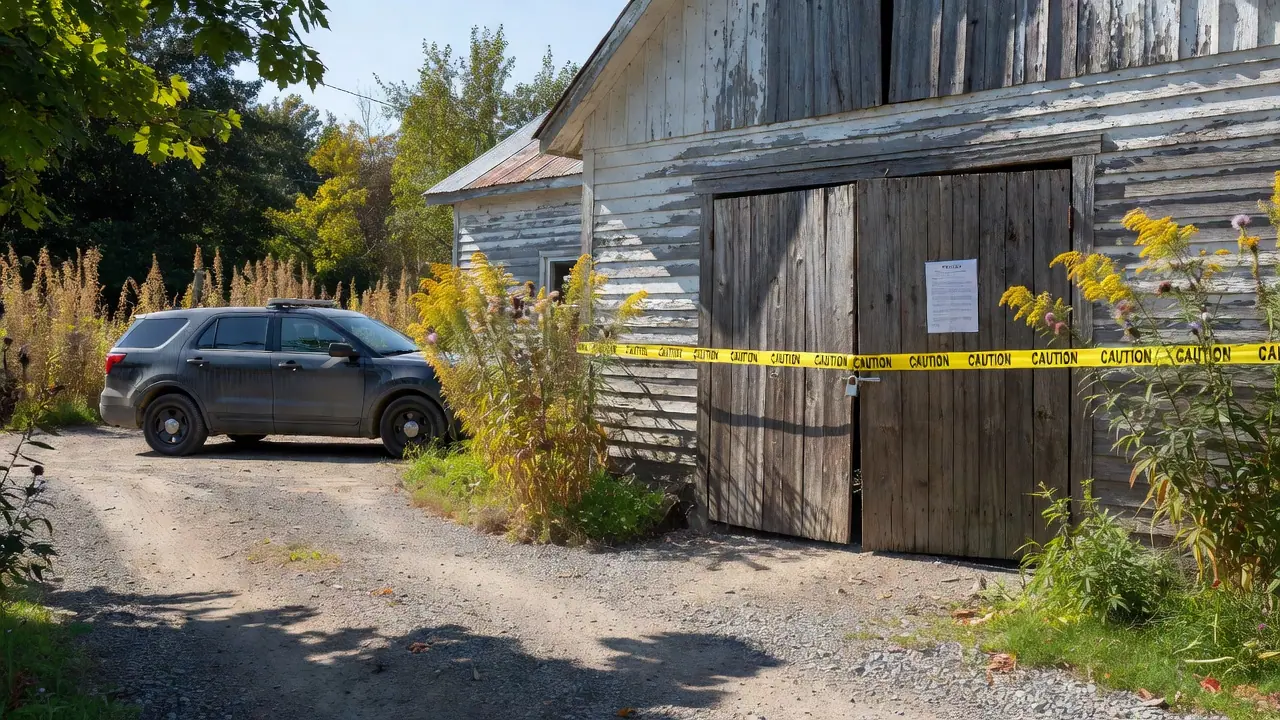
The OPP also raised fire and safety concerns about the property. Police said that, on the advice of the Ontario Fire Marshal, the site is not to be used as a residence. The police account did not describe the specific hazards.
This case matters beyond Hagersville. It raises practical questions for people who live near the site and for anyone in Ontario who owns or rents out property. Those questions include how many plants you can legally grow, how fire safety rules work, and what happens when a building is deemed unsafe to live in. We explain each one below.
Key Takeaways
OPP say officers found 380 cannabis plants, one kilogram of dried cannabis and a vehicle at a property along Highway 6 in Hagersville on November 12, 2026.
Police estimate the drugs' value at more than $425,000 and say the site's operators lacked valid Health Canada authorization.
A 65-year-old from North York and a 56-year-old from Hagersville are each charged with unauthorized cultivation or production of cannabis and possession for the purpose of distribution.
The charges have not been tested in court, and both people are presumed innocent.
On the Ontario Fire Marshal's advice, the property is not to be used as a residence because of fire and safety concerns.
Adults in Ontario can generally grow up to four cannabis plants per residence without a licence.
UL Lawyers Insight
Legal cannabis in Ontario does not mean there are no limits. Under the federal Cannabis Act, and as reflected in Ontario's rules, adults 19 and older can generally grow up to four plants per residence for personal use. That limit applies per home, not per person. Growing more than that, or growing to sell, requires proper authorization from Health Canada. Examples include a commercial licence or a registration to produce cannabis for medical purposes. Charges like the ones laid in Hagersville can carry serious penalties if they lead to a conviction.
The fire marshal's involvement is also important for property owners. In general, large indoor grow operations can strain electrical systems and create moisture and mould problems. This is why fire officials may step in to stop a building from being used as a home. If you own a rental property, a hidden grow operation could lead to property damage, repair bills, insurance disputes or claims against a tenant. In those situations, civil litigation lawyers can help you weigh your options. Our legal resource library also has plain-language guides on property and rights issues.
Action Checklist
What You Should Do
Know the four-plant household limit
Adults 19 and older can generally grow up to four plants per residence. Anything more requires Health Canada authorization.
Verify your Health Canada medical registration is current
Medical growers must stay within the amount allowed by a valid registration.
Report a suspected illegal grow operation to police instead of confronting anyoneUrgent
Grow sites can pose fire and safety risks, so let authorities handle it.
Do not live in or let others live in a property flagged by fire officialsUrgent
Follow any fire marshal direction until the hazards have been addressed.
Review your property insurance for grow-operation exclusions
Some policies limit coverage for damage linked to cannabis cultivation.
Inspect rental units with proper written notice
Under the Residential Tenancies Act, landlords generally must give 24 hours' written notice before entering for an inspection.
Document any property damage and note the two-year limitation period
Photos, invoices and records support a civil claim, which generally must be started within two years under the Limitations Act, 2002.
If you are charged, speak with a criminal defence lawyer before giving a statementUrgent
What you say to police early on can affect your case.
Your Rights and Options
If you are ever charged in a case like this one, your most important protection is the presumption of innocence under section 11(d) of the Canadian Charter of Rights and Freedoms. In this case, the charges are unauthorized cultivation or production and possession for the purpose of distribution. The Crown must establish each charge beyond a reasonable doubt. Anyone facing charges under the Cannabis Act should speak with a criminal defence lawyer before giving any statement to police.
Property owners have rights too. Under the Residential Tenancies Act, 2006, a landlord can apply to the Landlord and Tenant Board to end a tenancy where a tenant carries out illegal activity in the unit. The Fire Protection and Prevention Act, 1997 gives fire officials powers to deal with unsafe buildings. If your property is damaged, the Limitations Act, 2002 generally gives you two years to start a civil claim. If you are unsure where you stand, you can request a free consultation.
Common Questions Answered
How UL Lawyers Can Help
It can be unsettling to learn that a property near you, or one you own, is linked to a police investigation. It is harder still when fire and safety concerns mean a home cannot be lived in. You don't have to sort out the fallout alone. At UL Lawyers, we help Ontario residents understand their options when property damage, insurance disputes, tenancy problems or civil claims follow events like this. If you need criminal defence help, we can point you to the right people. Reach out for a free, no-pressure consultation, and we'll walk you through your possible next steps.
Own a rental property or live near a site flagged for safety concerns? Our team can help you understand your rights and options.
Ontario Road Report
One email a week with the road and collision stories we covered in your city and across Ontario.
About this article:
Summary prepared with AI assistance from the linked source's reporting. Edited by UL Lawyers for Ontario context.
Accompanying images are AI-generated illustrations, not photographs of actual events or persons.
Important Legal Disclaimer
This page summarizes publicly reported information about criminal charges laid in Hagersville, Ontario, and provides general information about cannabis cultivation rules, fire safety and property rights. The charges described have not been tested in court, and the people charged are presumed innocent. This page is not legal advice. UL Lawyers does not represent anyone involved in this matter. If you are dealing with a cannabis-related charge, a fire safety order or damage to a property you own, please consult a qualified lawyer about your specific situation.
Source: CP24
Named in this article? Request content removal