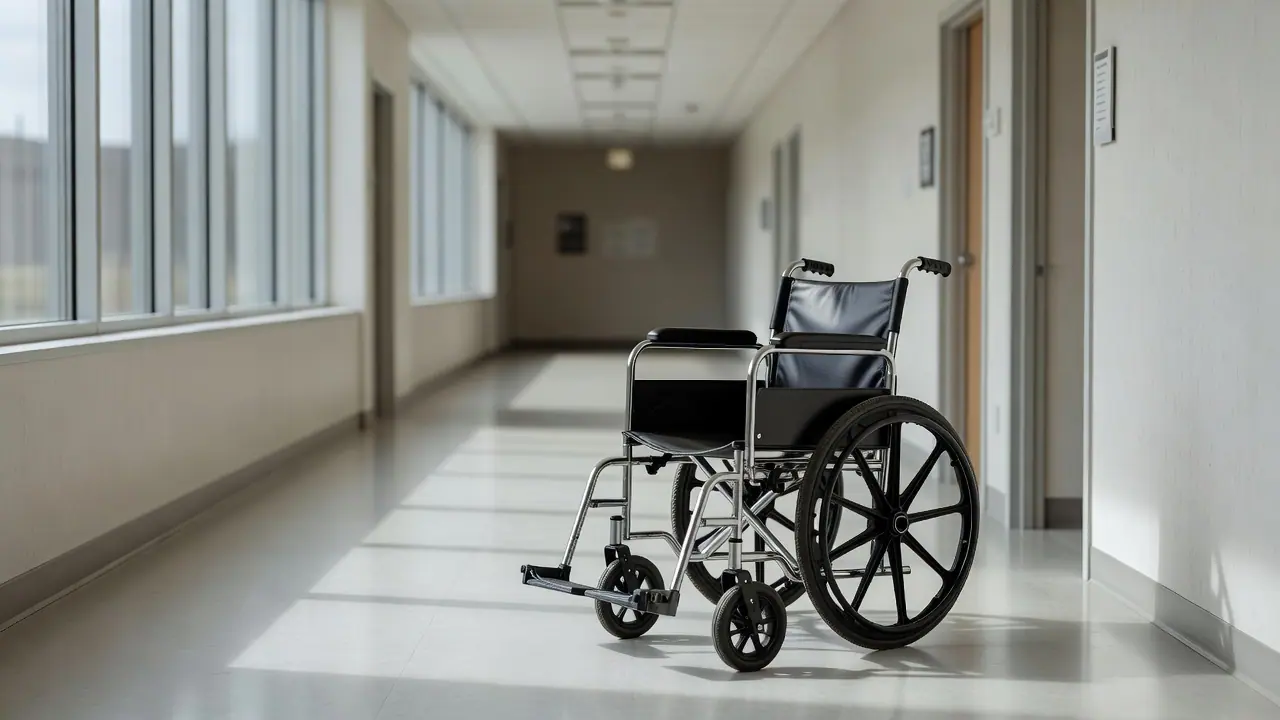

When someone suffers a life-changing injury in a violent incident, the criminal process and the injured person's own right to compensation are separate, and acting early to preserve evidence and meet the two-year limitation period can make a real difference.
A Canadian Armed Forces member who was supervising air cadets during a poppy campaign in Hamilton says he is now paralyzed from the waist down after he was allegedly attacked at a local mall. The incident happened on Nov. 1, 2026, at The Centre on Barton, where he was overseeing the cadets as they handed out poppies. In a video report, CTV News described his injuries as life-altering.
The supervisor's update reached the public through Ned Kuruc, the Member of Parliament for Hamilton East–Stoney Creek, who posted a statement on social media last week. Kuruc explained that the supervisor had phoned him and asked him to pass a message along to Canadians. According to the MP, the man was emotional and in tears during the call. Kuruc said the tears were not from the pain of his injuries, but from the love that he and his family have been shown since the incident.
In the statement, the supervisor said he is still in hospital. He described living with ongoing pain that is being managed with medication, and said he does not yet know what the road ahead will look like. His doctors, he said, are not able to offer a prognosis at this stage, but have told him he will need many "months of rehabilitation therapy."
Even with that uncertainty, the supervisor said he is staying hopeful and positive. He thanked Canadians for what he called an outpouring of love and support, and said the many messages of encouragement he and his family have received continue to lift his spirits and inspire him.
The CTV News report describes the attack as alleged. This latest update focuses on the supervisor's recovery and does not set out details of the police investigation, and the allegations have not been tested in court. For people in Hamilton, Mississauga, Brampton, Toronto and across the GTA, the story is a sobering reminder that a serious injury can happen in an everyday public place. It also raises real questions about victims' rights and long-term recovery, questions our UL Lawyers legal team helps Ontarians work through every day.
Key Takeaways
An Air Cadets supervisor says he is paralyzed from the waist down after an alleged attack at The Centre on Barton in Hamilton on Nov. 1, 2026
He remains in hospital, his pain is being managed with medication, and doctors cannot yet give a prognosis
He expects many months of rehabilitation therapy but says he remains hopeful and positive
Hamilton East–Stoney Creek MP Ned Kuruc shared the supervisor's statement on social media
In Ontario, people hurt in an alleged assault can pursue a civil claim separate from any criminal case, generally within two years
UL Lawyers Insight
When someone is seriously hurt in an alleged assault, the criminal case and any civil claim run on two separate tracks. Police and Crown prosecutors decide whether to pursue criminal charges, while an injured person can choose to bring a civil lawsuit for compensation on their own. A civil case is decided on a balance of probabilities, a lower standard than proof beyond a reasonable doubt, and it does not depend on the outcome of a criminal case. Our litigation lawyers handle these kinds of injury claims.
Life-changing injuries such as spinal cord damage often bring costs far beyond the hospital stay: rehabilitation, home and vehicle modifications, attendant care, and years of lost income. In general, claims may be possible against an individual, and in some situations against a property owner under Ontario's Occupiers' Liability Act if reasonable safety steps were not taken. People who cannot return to work may also need to rely on group or private long-term disability benefits, which insurers do not always approve without a dispute.
Action Checklist
What You Should Do
Get medical care and keep every medical recordUrgent
Hospital, rehabilitation and specialist records document the extent of your injuries and future care needs
Report the incident to police and keep the occurrence numberUrgent
A police report creates an official record and connects you with victim services
Ask for surveillance footage to be preserved right awayUrgent
Malls and businesses often record over video within days or weeks
Write down witness names and contact detailsUrgent
Witness memories fade and people can become hard to find
Check your workplace, service-related and disability insurance coverage
Income replacement benefits may be available while you recover and often have their own deadlines
Apply for the Victim Quick Response Program+ if eligible
This Ontario program may cover some immediate costs for victims of violent crime
Track all expenses, lost income and care needs
Receipts and a daily log support a full claim for compensation
Note the two-year limitation deadline and speak with a lawyer
The Limitations Act, 2002 generally gives two years to start a civil claim
Your Rights and Options
If you are hurt in an alleged assault in Ontario, you generally have two years from the date you knew, or ought to have known, about your injury and who was involved to start a civil claim under the Limitations Act, 2002. That deadline can feel far away when you are focused on hospital care and rehabilitation, as the supervisor in this story is. Evidence such as surveillance footage and witness contact details can disappear much sooner.
You also have rights in the criminal process under the Canadian Victims Bill of Rights, including the right to information about the case and to present a victim impact statement. Ontario's Victim Quick Response Program+ may offer short-term financial help to eligible victims of violent crime. If you are unsure which options fit your situation, you can request a free consultation to talk them through.
Common Questions Answered
How UL Lawyers Can Help
If you or someone you love has been badly hurt in a violent incident, the days ahead can feel overwhelming. Hospital visits, pain, uncertainty about work and worries about money all pile up at once. At UL Lawyers, we take the legal side off your shoulders so you can focus on healing. We can explain how a civil claim works, help protect important evidence, deal with insurers, and look at every source of support that may be available to you and your family. There is no cost to talk with us, and no pressure. We are simply here to help you understand your options.
If you or a loved one has been seriously hurt in a violent incident, you do not have to figure out your options alone. Reach out to UL Lawyers for a free, no-pressure conversation about your rights and next steps.
Ontario Road Report
One email a week with the road and collision stories we covered in your city and across Ontario.
About this article:
Summary prepared with AI assistance from the linked source's reporting. Edited by UL Lawyers for Ontario context.
Accompanying images are AI-generated illustrations, not photographs of actual events or persons.
Important Legal Disclaimer
This page provides general information about the legal rights of people injured in alleged assaults in Ontario and is based on publicly available news reports. The allegations described have not been tested in court. This page is not legal advice, and every situation is different. Please speak with a lawyer about your specific circumstances before making decisions about a claim or benefits.
Source: CTVToronto
Named in this article? Request content removal