
Acts of violence in public spaces, while distressing, often open avenues for victims to seek justice and compensation through civil litigation, even as criminal charges proceed.
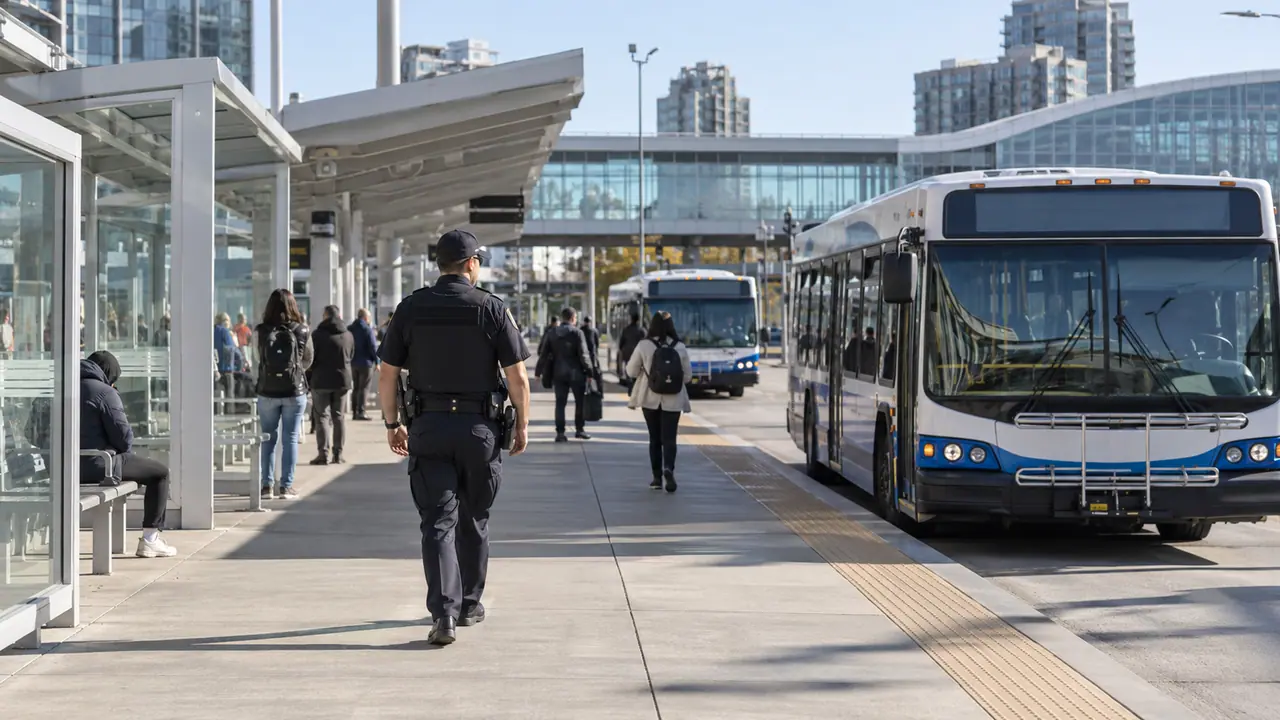
A concerning incident unfolded at a local bus terminal in Mississauga on Friday night, October 2, 2026, when a man in his 30s was stabbed. Peel Regional Police, who were on patrol near the MiWay bus terminal, located close to Square One mall, were alerted to the incident by bystanders just after 9:30 p.m. Officers quickly pursued the suspect, who was then taken into custody. This event highlights the unpredictable nature of public spaces and the importance of understanding your rights if you become involved in or witness such an incident, especially when considering litigation options.
Key Takeaways
22-year-old woman charged with aggravated assault and breach of probation in Mississauga.
Stabbing occurred at MiWay bus terminal near Square One mall on October 2, 2026.
Victim suffered non-life-threatening injuries and was released from hospital.
Police state victim and accused were not known to one another.
UL Lawyers Insight
For residents of Mississauga, Brampton, Toronto, and the Greater Toronto Area, this incident at a public transit hub like the MiWay bus terminal near Square One mall can be unsettling. While the victim's injuries were non-life-threatening and he was treated and released from the hospital, such events raise important questions about public safety and accountability. When individuals are harmed due to criminal acts, there can be complex legal avenues to explore beyond the immediate criminal charges.
Victims may have grounds to pursue civil claims for personal injury or damages, depending on the circumstances surrounding the incident and whether negligence by property owners or security could be established. Understanding your rights and options in such scenarios is crucial, and our legal team can help navigate these complexities.
Action Checklist
What You Should Do
Seek immediate medical attention for any injuriesUrgent
Ensure all injuries are documented by medical professionals, even if seemingly minor.
Report the incident to the police and cooperate with investigationsUrgent
A police report is crucial for both criminal proceedings and potential civil claims.
Gather any available evidence (photos, videos, witness contacts)Urgent
Documentation of the scene and contact information for witnesses can be vital for your case.
Keep detailed records of all medical treatments and expenses
Maintain receipts for prescriptions, therapy, transportation, and any other related costs.
Document any lost income or impact on employment
Keep records of missed work days, reduced earning capacity, or job-related difficulties due to the incident.
Do not speak to insurance adjusters or sign documents without legal adviceUrgent
Protect your rights by having a lawyer review any communications or offers.
Consult with a personal injury or litigation lawyerUrgent
Understand your rights, potential for compensation, and the process for filing a civil claim in Ontario.
Your Rights and Options
If you or a loved one were to be a victim of an assault in a public place in Ontario, you have rights that extend beyond the criminal justice system. While the accused, Tyannah Witty, faces criminal charges of aggravated assault and breach of probation, victims can also explore civil litigation to seek compensation for their injuries, pain and suffering, lost income, and other damages. This process typically involves demonstrating that the harm was a direct result of another party's actions or negligence, such as inadequate security measures at the location where the incident occurred.
In Ontario, the Limitations Act, 2002 generally sets a two-year deadline from the date of discovery of the injury to file a civil claim, making prompt legal advice essential. You may also be eligible for support through Ontario's Victim Quick Response Program or the Criminal Injuries Compensation Board, depending on the nature of the crime and your injuries. Consulting with experienced legal professionals can help you understand all available avenues for recourse and support.
Common Questions Answered
How UL Lawyers Can Help
Experiencing or witnessing a violent incident can be incredibly distressing and leave you with many questions about your safety and legal options. Our team at UL Lawyers understands the emotional and physical toll such events can take. We can help you understand the legal landscape, whether it involves pursuing a personal injury claim, understanding your rights as a victim, or navigating the complexities of civil litigation. We're here to provide compassionate guidance and strong advocacy, ensuring your voice is heard. Reach out for a free consultation to discuss your specific situation and how we can support you.
If you or a loved one have been affected by a violent incident, understanding your legal rights and options is paramount. Contact UL Lawyers for a free consultation to discuss how we can help you navigate these challenging circumstances.
About this article:
Summary prepared with AI assistance from the linked source's reporting. Edited by UL Lawyers for Ontario context.
Accompanying images are AI-generated illustrations, not photographs of actual events or persons.
Important Legal Disclaimer
The information provided on this page is for general informational purposes only and does not constitute legal advice. While it discusses legal principles and potential options following incidents like the one described, it cannot address the specifics of your unique situation. If you have been a victim of assault or any other legal concern, you should consult directly with a qualified lawyer to obtain advice tailored to your circumstances. Relying solely on the information on this page without professional legal consultation is not recommended.
Source: CityNewsTO
Named in this article? Request content removal