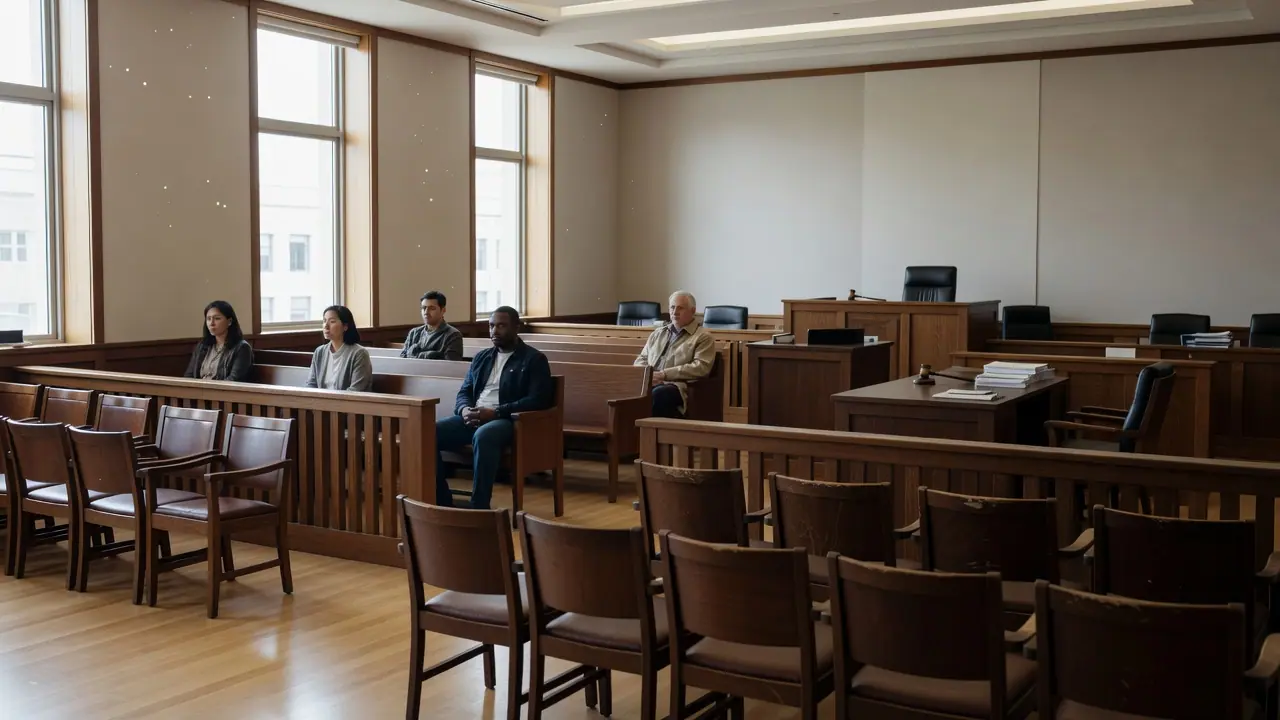

Coroner's inquests are not about blame; they are about understanding how a death happened and what might prevent the next one. For grieving families, knowing how an inquest differs from an SIU investigation or a civil claim can make an overwhelming process feel more manageable.
A Peel Regional Police constable who shot a 28-year-old Black man in the head during an attempted arrest in Mississauga, Ont., nearly seven years ago offered his condolences to the man's grieving family on Tuesday, November 24, 2026, as he began testifying at a coroner's inquest into the death. The officer told the inquest that if he had a magic wand, none of the people in the room would be there that day.
The shooting took place on January 7, 2020, as a team of plainclothes officers, some in unmarked vehicles and some on foot, tried to arrest the man for allegedly breaching the conditions of his bail. He was taken to hospital and died several days later. The inquest has heard that officers planned to arrest him before he reached his car that night. However, he moved more quickly than expected, and the officer assigned to block his car arrived late.
The constable, who was on foot at the time, testified that he shot four times at the car after it began accelerating directly toward him. He told the inquest he could not see a figure inside the vehicle and aimed where a driver would be sitting. According to his testimony, the car then mounted the curb, narrowly missing him, before making a sharp turn and crashing into a garage in a townhouse complex. He said that based on that manoeuvre, he knew right away that the driver was most likely not OK.
Jurors have heard that the man did not receive medical attention until a police tactical unit arrived and pulled him out of the car about 20 minutes later. The forensic pathologist who performed the autopsy, Dr. Ashwyn Rajagopalan, previously told the inquest that the crash did not contribute to the death, which resulted from a gunshot wound to the head. He said he was surprised the man survived as long as he did, given how severe the injury was.
Ontario's police watchdog, the Special Investigations Unit (SIU), has cleared the officers of wrongdoing in the death. Coroner's inquests do not assign legal responsibility, but jurors may make recommendations aimed at preventing similar deaths in the future. A photo from 2020 shows members of the man's family at a community barbecue in Brampton on August 23 of that year, held to honour him, another Black man killed by police in 2020, and others.
For Ontario residents trying to make sense of inquests, police oversight, and how these processes fit together, keeping up with legal developments affecting Ontario families can help clarify what each process can and cannot do.
Key Takeaways
A Peel Regional Police constable offered condolences to the family of a 28-year-old man as he began testifying at a coroner's inquest on November 24, 2026
The man was shot in Mississauga on January 7, 2020, during an attempted arrest for allegedly breaching bail conditions, and died in hospital days later
The officer testified he shot four times at a car he said was accelerating toward him, and that he could not see anyone inside
Jurors heard the man did not receive medical attention until a tactical unit pulled him from the car about 20 minutes later
The SIU has cleared the officers of wrongdoing; inquests do not assign legal responsibility but may make recommendations
UL Lawyers Insight
A coroner's inquest is a public hearing held under Ontario's Coroners Act. A jury hears evidence about how, when, where and by what means a person died. It does not decide who is at fault or assign legal responsibility. Its recommendations, such as changes to arrest planning or medical response, are not legally binding, but agencies often respond to them publicly.
An inquest is also separate from the SIU process. The SIU decides whether there are grounds for criminal charges against police. It does not decide civil claims, and it does not stop an inquest from going ahead. Families can find these overlapping processes confusing, especially years after a loss. Anyone weighing a civil claim involving a death or serious injury may want to understand how Ontario civil litigation lawyers approach these cases and the deadlines involved. Our legal resource library also offers plain-language guides on Ontario legal processes.
For everyday Ontarians, inquests like this one offer a rare public look at how police operations are planned and carried out, and at what happens when plans change in real time.
Action Checklist
What You Should Do
Confirm whether an inquest has been called and apply for standing if eligibleUrgent
Family members with a substantial and direct interest may be able to participate, question witnesses and propose recommendations
Note the two-year limitation period for any civil claimUrgent
Under the Limitations Act, 2002, most claims must be started within two years, and missing the deadline can end your claim
Request copies of available records and reports
SIU director's reports, medical records and autopsy findings can help families understand what happened
Keep a file of all correspondence with police, the coroner's office and the SIU
Organized records make it easier to track timelines and respond to requests
Consider whether a conduct complaint should be filed
The Law Enforcement Complaints Agency reviews public complaints about police conduct separately from the SIU
Address estate administration for the deceased
An estate trustee may be needed to manage the deceased's affairs and, in some cases, to pursue claims on behalf of the estate
Speak with a lawyer before giving formal statements or signing documents
Legal advice helps you understand how each process works and how your participation may affect your options
Your Rights and Options
If a family member dies in an incident involving police in Ontario, the Coroners Act allows people with a substantial and direct interest, often close family, to apply for standing at an inquest. Standing can let a family question witnesses and suggest recommendations to the jury. Concerns about officer conduct can also be raised with the Law Enforcement Complaints Agency, which operates separately from the SIU.
An SIU decision not to lay charges does not settle every legal question. Ontario's Family Law Act lets certain family members seek damages when a relative dies because of another party's fault or neglect, and most civil claims must start within the two-year deadline under the Limitations Act, 2002. These timelines can be complex, so families should get advice early. You can request a confidential consultation to understand which options may apply to your situation.
Common Questions Answered
How UL Lawyers Can Help
Losing someone you love, and then waiting years for answers, is exhausting and painful. You may be facing unfamiliar processes like inquests, oversight investigations and legal deadlines, all while grieving. At UL Lawyers, we take the time to explain each step in plain language, from what an inquest can and cannot do, to whether a civil claim or estate matter needs attention. We listen first, respect your family's pace, and give you honest guidance about your options. If you have questions, we offer a free consultation so you can talk things through with no pressure.
Trying to understand how inquests, SIU investigations and civil claims fit together after a loss? Our team is happy to walk you through your options in a free, confidential conversation.
Ontario Road Report
One email a week with the road and collision stories we covered in your city and across Ontario.
About this article:
Summary prepared with AI assistance from the linked source's reporting. Edited by UL Lawyers for Ontario context.
Accompanying images are AI-generated illustrations, not photographs of actual events or persons.
Important Legal Disclaimer
This page summarizes publicly reported testimony from an ongoing coroner's inquest and provides general information about Ontario's inquest, police oversight and civil claim processes. Coroner's inquests do not assign legal responsibility, and nothing on this page should be read as a finding about any person's conduct. This page is not legal advice. If you have been affected by a death or injury involving police, please speak with a qualified Ontario lawyer about your specific circumstances.
Source: CTVToronto
Named in this article? Request content removal