
When a court permits police to name a young person, it is a narrow, time-limited exception aimed at public safety, and it does not change the presumption of innocence. Separately, families who lose a loved one to violence in Ontario may have support and civil options that run independently of any criminal case, each with its own deadlines.
A 17-year-old Toronto boy who police say is wanted in connection with two separate homicides in Etobicoke remains at large, more than two weeks after the first of the two fatal shootings. On Tuesday, November 24, 2026, Toronto police said they had received an extension of a judicial authorization that allows them to publicly identify the teen as one of the suspects. That step is unusual because the Youth Criminal Justice Act normally keeps the identity of young people accused of crimes confidential. Because this story touches on how Ontario's justice system balances youth privacy, public safety and victims' rights, our UL Lawyers legal team has summarized what is known so far.
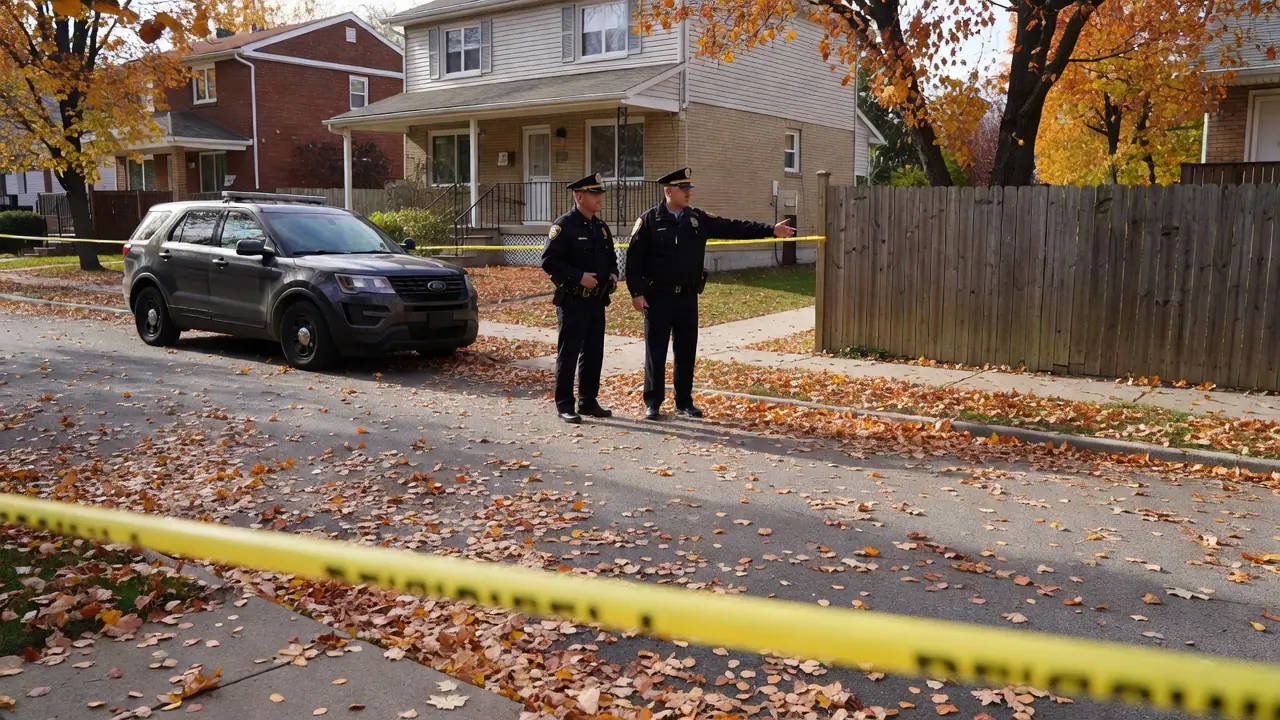
The first shooting happened on November 7 in the area of Rathburn Road and The East Mall, where an 18-year-old was killed. Three days later, another 18-year-old was killed in a shooting near Martin Grove Road and Finch Avenue West. According to police, the 17-year-old is wanted for second-degree murder in the first shooting and first-degree murder in the second. A Toronto Star file photo shows police gathered at the scene at The East Mall and Robinglade Drive, where one of the young men was fatally shot. The two deaths were the city's 33rd and 34th homicides of the year.
A Canada-wide warrant has been issued for the teen, and police had earlier warned the public that he was considered armed and dangerous. The court authorization to release his identity had been set to expire on Tuesday, but police received an extension. It now expires at noon on Sunday. Without that authorization, his identity would be protected under the Youth Criminal Justice Act. In keeping with our editorial policy, we are not naming him, anyone else charged or wanted in these cases, or the young men who died.
Police say other people have also been charged or are being sought. In connection with the first shooting, a 19-year-old man was arrested on Sunday and charged with second-degree murder. In the second homicide, a 16-year-old boy from Vaughan was arrested and charged with first-degree murder. He cannot be named because he is a youth. Police say a 19-year-old man is also wanted for first-degree murder in connection with the second homicide and remains at large.
These charges have not been tested in court. Everyone accused is presumed innocent unless and until a court decides otherwise. As a general safety rule, anyone who sees a person police have described as armed and dangerous should not approach them. Call 911 instead, or share information with police or Crime Stoppers.
Key Takeaways
Police say a 17-year-old Toronto boy is wanted for second-degree murder in one Etobicoke shooting and first-degree murder in another, and he remains at large.
Two 18-year-olds were killed: one on November 7 near Rathburn Road and The East Mall, and one three days later near Martin Grove Road and Finch Avenue West.
A court extended police permission to identify the teen under the Youth Criminal Justice Act; it now expires Sunday at noon.
A 19-year-old man and a 16-year-old Vaughan boy have been charged, and police say another 19-year-old man is wanted; none of the charges have been tested in court.
A Canada-wide warrant is in place, and police previously warned that the teen was considered armed and dangerous.
UL Lawyers Insight
For people in Etobicoke and across the GTA, this case shows how the Youth Criminal Justice Act works in practice. The law starts from the position that young people accused of crimes should not be publicly identified, because the youth justice system focuses on rehabilitation. A judge can make a narrow exception when police show that a youth may be a danger to others and that naming them is needed to help make an arrest. That permission lasts only a short time unless it is extended, as happened here.
This also matters for anyone posting on social media. Once a court's permission ends, sharing a protected youth's name can breach the Act's publication rules. Those rules apply to private individuals as well as news outlets.
For families who have lost a loved one to violence, the criminal case is only one path. Ontario law may also allow family members to bring a separate civil claim for their losses. A civil case is decided on a lower standard of proof than a criminal trial. Our civil litigation lawyers can explain how those claims work and why timing matters.
Action Checklist
What You Should Do
Call 911 if you see someone police have described as armed and dangerousUrgent
Do not approach or try to confront the person yourself; let police handle it.
Share any information with Toronto police or Crime StoppersUrgent
Crime Stoppers lets you provide tips anonymously if you are worried about your safety.
Stop sharing a youth's name once the court authorization expiresUrgent
The Youth Criminal Justice Act's publication rules apply to social media posts by private individuals.
Contact Victim Services Toronto about immediate supportUrgent
Ask about the Victim Quick Response Program+ for help with costs such as funerals and counselling.
Keep records of funeral, counselling and lost-income expenses
Receipts and records may support a support-program application or a future civil claim.
Ask for updates on the investigation and court dates
Victims' families have a right to information about the case under the Canadian Victims Bill of Rights.
Note the two-year limitation period for civil claims
Family Law Act claims are generally subject to the Limitations Act, 2002, so get legal advice early.
Your Rights and Options
If you have lost a family member to violence in Ontario, you have rights that do not depend on how the criminal case turns out. Under the Canadian Victims Bill of Rights, victims and their families can ask for information about the status of the investigation and any court proceedings. Ontario's Victim Quick Response Program+ (VQRP+), available through local victim services, may help with immediate costs such as funeral expenses and counselling.
Separately, section 61 of Ontario's Family Law Act may allow close family members to claim damages when a loved one is killed through another person's wrongful act. Under the Limitations Act, 2002, these claims are generally subject to a two-year limitation period, so it is wise to get advice early. If you are unsure where to start, you can request a free consultation to talk through your options in confidence.
Common Questions Answered
How UL Lawyers Can Help
When violence touches your family or your neighbourhood, it can feel overwhelming, and legal questions are often the last thing you want to face. You do not have to sort through it alone. At UL Lawyers, we can explain in plain language what supports may be available to you and whether a civil claim might be an option for your family. We can also help you understand deadlines and deal with insurers, estates and paperwork so you can focus on grieving and healing. If you would like to talk, we offer a free, confidential consultation, with no pressure and no obligation.
If your family has been affected by violence and you are not sure what supports or legal options are available, we are here to listen. Reach out for a free, confidential conversation about your rights in Ontario.
Ontario Road Report
One email a week with the road and collision stories we covered in your city and across Ontario.
About this article:
Summary prepared with AI assistance from the linked source's reporting. Edited by UL Lawyers for Ontario context.
Accompanying images are AI-generated illustrations, not photographs of actual events or persons.
Important Legal Disclaimer
This page provides general information about a news report on an ongoing police investigation and criminal charges in Toronto. It is not legal advice. The charges described have not been tested in court, and everyone accused is presumed innocent. UL Lawyers does not practise criminal defence; the information here focuses on youth publication rules, victims' supports and civil options in Ontario. If you or your family have been affected by violence, please speak with a lawyer about your specific situation.
Source: TorontoStar
Named in this article? Request content removal