
In Canada, a second-degree murder conviction always brings a life sentence. The real question at sentencing is how long before the person can even ask for parole, and that decision weighs the circumstances of the offence against the person's background.
A Toronto judge has told a 30-year-old man he was "very fortunate" to receive a sentence at the lower end of the range after a jury convicted him of second-degree murder in the shooting death of an unarmed man on Danforth Avenue. Superior Court Justice Suhail Akhtar delivered the sentencing decision on Monday, according to reporting by Toronto Star courts and justice reporter Jacques Gallant. Cases like this raise questions many Ontario families never expect to face, which is why our UL Lawyers legal team is explaining what the sentence means.
The shooting happened late at night on Dec. 22, 2023, three days before Christmas. The man who died was 45 years old, a father from Richmond Hill. In Canada, a second-degree murder conviction carries an automatic sentence of life imprisonment. The judge's job is to decide how long the person must wait before applying for parole, which can be anywhere from 10 to 25 years. Justice Akhtar set that period at 14 years. The jury reached its verdict after a trial in June. If the man is ever released, he is expected to be deported to Barbados, his native country.
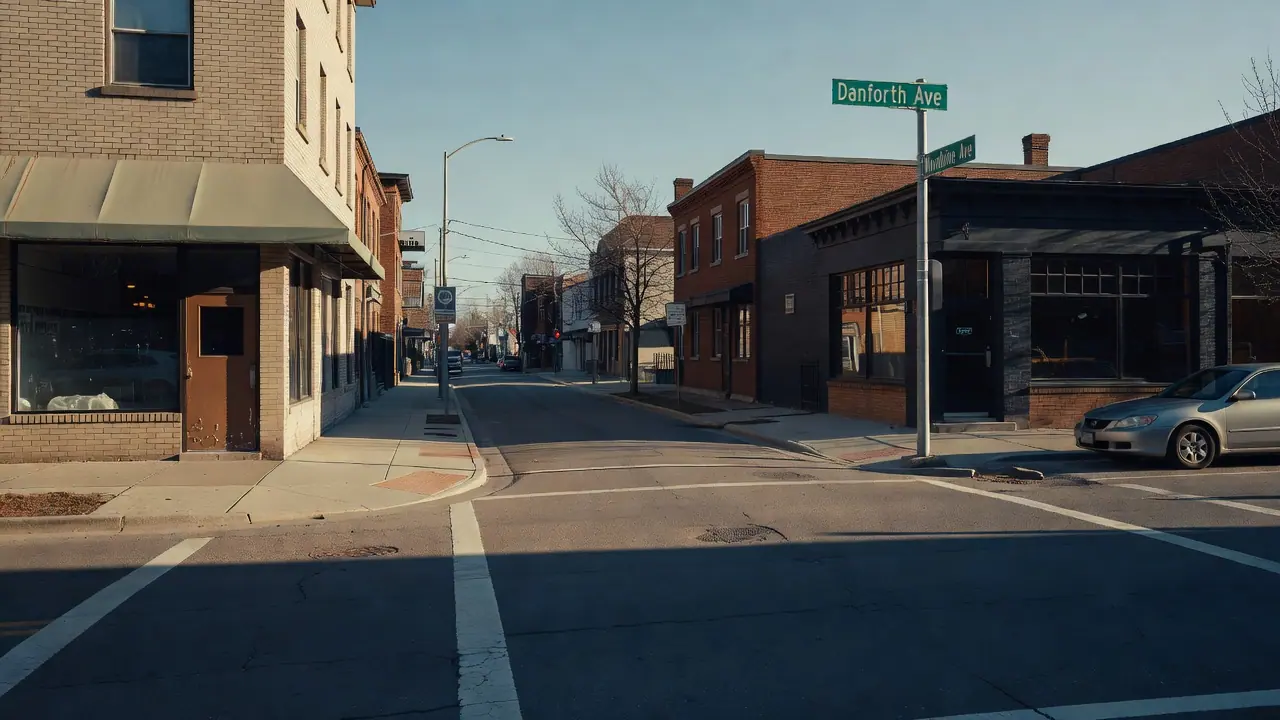
According to the facts Justice Akhtar read out in court, the two men got into a "verbal altercation" outside Cafe Juventus and the Rusty Nail Pub on Danforth Avenue at Woodbine Avenue. The report notes that it is unclear what the argument was about. Based on the facts read by the judge, the 45-year-old became angry with the younger man and a group of his friends. He walked toward them, pointed at them, threw his jacket on the ground and challenged the younger man to fight.
The 45-year-old then went into the cafe, while the younger man stayed outside the pub with his friends. A short time later, the older man came back outside and picked up the argument again. According to the facts read in court, he swung his fist at the younger man and made contact. The younger man then pulled out a gun and began shooting. The 45-year-old ran toward the cafe. He was shot five times and collapsed inside. The shooter ran from the scene.
In earlier Toronto Star coverage, the man who died was remembered as a loving father with a big personality and a passion for music. A photo supplied to the newspaper shows him with his son. With the sentence now handed down, the 30-year-old will serve a life sentence and cannot apply for parole until 14 years have passed. Being eligible to apply for parole does not mean a person will be released. That decision rests with the Parole Board of Canada.
Key Takeaways
A 30-year-old man received a life sentence with no parole eligibility for 14 years after a jury convicted him of second-degree murder
The shooting took place outside Cafe Juventus and the Rusty Nail Pub on Danforth Avenue at Woodbine Avenue on Dec. 22, 2023
Justice Suhail Akhtar told the man he was "very fortunate" to get a sentence at the lower end of the 10-to-25-year range
The 45-year-old Richmond Hill father was shot five times and collapsed inside the cafe
If the man is ever released, he is expected to be deported to Barbados
UL Lawyers Insight
Many people assume a "life sentence" means a fixed number of years. In Canada, it does not. A person convicted of second-degree murder is sentenced to life, and the judge sets a parole ineligibility period of 10 to 25 years. Even after that period ends, the person stays under sentence for life. If parole is ever granted, they remain under supervision and can be sent back to prison. Here, the judge chose 14 years, which is toward the lower end of that range.
This case also shows how criminal law and immigration law can overlap. People who are not Canadian citizens and are convicted of serious crimes can face removal from Canada under federal immigration law. If you or a family member is not a citizen and is dealing with any criminal charge, it is worth understanding how Canada's immigration rules could affect your status.
For families who lose a loved one to violence, the criminal case is only one part of the picture. Ontario law may allow family members to bring a separate civil claim, and a lawyer experienced in civil litigation in Ontario can explain whether that option exists.
Action Checklist
What You Should Do
Contact Victim Services in your areaUrgent
They can connect you with counselling, court support and programs such as the Victim Quick Response Program+
Register with the Parole Board of Canada as a victim
Registration lets you receive updates about parole eligibility and hearings, which may be years away
Note the two-year limitation period for civil claimsUrgent
Ontario's Limitations Act, 2002 generally gives you two years to start a civil claim, so get advice early
Keep records of funeral costs, lost income and counselling expenses
These records support applications for victim assistance and any civil claim under the Family Law Act
Prepare a victim impact statement if the case is still before the court
The Criminal Code allows families to tell the court how the crime has affected them before sentencing
Locate the deceased person's will and important documents
Finding the will, bank details and insurance policies early helps the estate move forward
Speak with a lawyer about civil and estate options
A lawyer can explain wrongful death claims, estate administration and how they relate to the criminal case
Your Rights and Options
If someone you love dies in a violent crime in Ontario, you have rights in the criminal process. Ontario's Victims' Bill of Rights, 1995 and the federal Canadian Victims Bill of Rights give victims and families the right to information about the case. Under the Criminal Code, you can also give a victim impact statement at sentencing. In a case like this one, where the parole wait is 14 years, families can register with the Parole Board of Canada to be told about future parole hearings.
Families may also have civil options. Ontario's Family Law Act allows certain relatives to claim damages for the death of a family member. A two-year limitation period under the Limitations Act, 2002 generally applies, though timing rules can be complex. The Victim Quick Response Program+ may also help eligible families with immediate costs. To understand your options, you can request a consultation with our team.
Common Questions Answered
How UL Lawyers Can Help
Losing someone suddenly, or watching a long court case unfold, can leave you exhausted and unsure where to turn. You should not have to work out the legal system on your own while you are grieving. At UL Lawyers, we take time to listen and explain your options in plain language. We can help you understand civil claims for a loved one's death, handle estate matters, and deal with related immigration or insurance questions. We will be honest about what is realistic for your situation. If you are ready to talk, we offer a free consultation, with no pressure and no obligation.
If your family is coping with the loss of a loved one and has questions about victim supports, civil claims or the estate, we're here to talk it through. Reach out for a free, no-pressure consultation.
Ontario Road Report
One email a week with the road and collision stories we covered in your city and across Ontario.
About this article:
Summary prepared with AI assistance from the linked source's reporting. Edited by UL Lawyers for Ontario context.
Accompanying images are AI-generated illustrations, not photographs of actual events or persons.
Important Legal Disclaimer
This page summarizes a news report about a criminal sentencing in Toronto and provides general information only about sentencing, parole, victims' rights, immigration consequences and civil claims in Ontario. It is not legal advice, and the facts described are based on the facts read in court as reported by the source. Every situation is different, and deadlines such as the two-year limitation period can depend on specific circumstances. Please consult a lawyer about your own situation.
Source: TorontoStar
Named in this article? Request content removal