
In general, you can respectfully ask anyone who says they are a police officer to confirm their identity, and calling 911 to verify is a reasonable step. Knowing your basic rights during a police encounter helps protect both your safety and your legal interests.
A correctional officer who was employed at the Toronto South Detention Centre is facing two criminal charges after what authorities called a "suspicious incident" in Toronto's west end over the weekend. According to the Toronto Police Service, the accused, a 21-year-old man from Mississauga, is alleged to have presented himself as a police officer while approaching a driver in a public park's parking lot. Situations like this raise questions most people never expect to face, and it is the kind of public-safety development our UL Lawyers legal team follows closely.
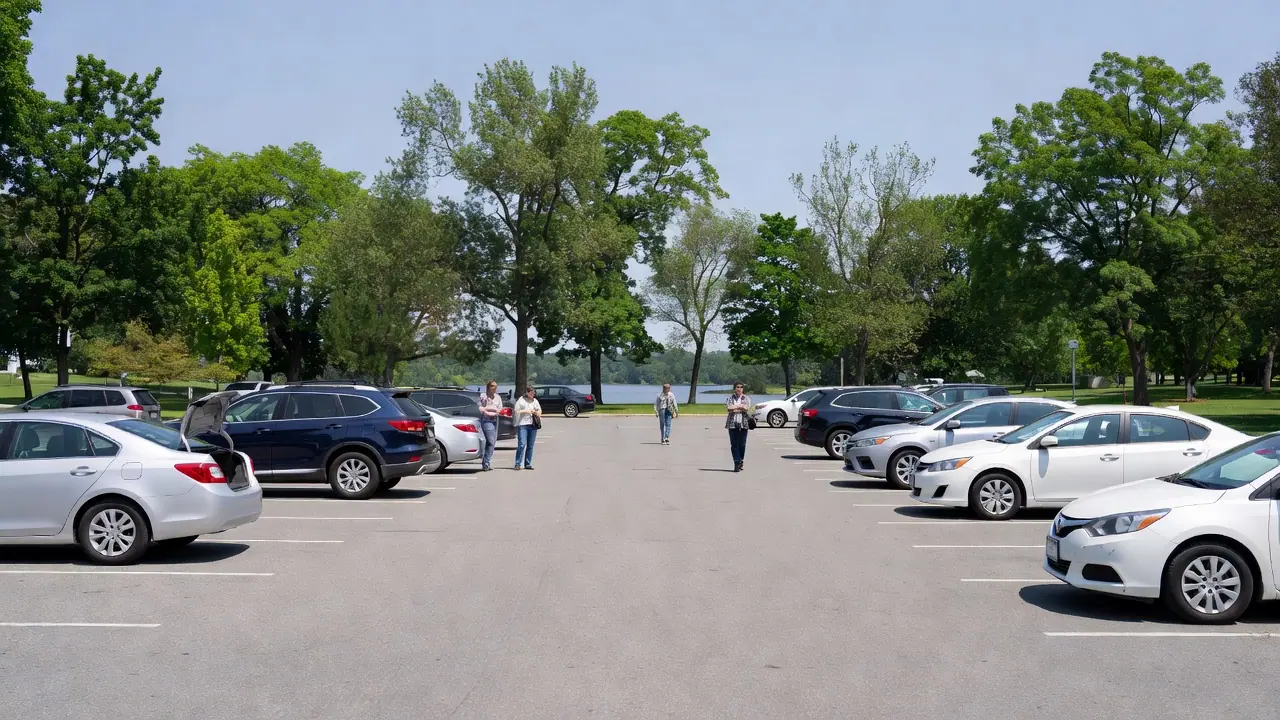
Toronto police shared the details in a news release on Tuesday. Police say the encounter happened in the parking lot of Colonel Sam Smith Park, in the area of Kipling Avenue and Lake Shore Boulevard. Police say the accused approached a driver who was in a vehicle there.
According to detectives, the accused identified himself as an Ontario Provincial Police (OPP) officer and showed a metal badge. Police allege he then demanded identification from the people inside the vehicle and told them to get out of it.
Police say Toronto officers later identified the accused and arrested him nearby. He faces two charges: personating a peace officer and breach of trust by a public officer. He is scheduled to appear in a Toronto court in February. These are allegations only. They have not been tested in court, and the accused is presumed innocent unless a court decides otherwise.
Investigators also say they believe the accused may have approached other people in similar circumstances. Police are asking anyone who may have dealt with a person claiming to be a police officer in parks, parking lots or other public places in Toronto's west end to contact investigators. If you live, work or drive in the area, or regularly visit lakeshore parks, it is worth thinking back on any unusual encounters you may have had.
Key Takeaways
A 21-year-old Mississauga man who was employed as a correctional officer at the Toronto South Detention Centre is accused of posing as an OPP officer
Police say the incident happened in the parking lot of Colonel Sam Smith Park, near Kipling Avenue and Lake Shore Boulevard
He faces charges of personating a peace officer and breach of trust by a public officer, and is due in a Toronto court in February
Investigators believe there may be other people who were approached in similar circumstances in Toronto's west end
The allegations have not been tested in court, and the accused is presumed innocent
UL Lawyers Insight
For Ontario residents, this case is a reminder that a badge and a confident tone do not always mean you are dealing with a real officer. Under Canada's Criminal Code, pretending to be a peace officer is a criminal offence. Breach of trust by a public officer is a separate offence that applies to people who hold public positions. Both charges in this case are still before the courts, and nothing has been decided.
The bigger lesson is practical. Most people want to cooperate when someone says they are police, and that is usually the right instinct. But you are allowed to calmly ask for an officer's name and badge number. You can also call 911 to confirm that a real officer is with you. Our legal resource library has more plain-language guides on dealing with police and the justice system.
People who have been through a frightening encounter with someone posing as an authority figure may have questions about reporting it, about their privacy, or about whether they have any civil legal options. Speaking with experienced litigation lawyers can help you understand what may apply to your situation.
Action Checklist
What You Should Do
Contact Toronto police investigators if you had a similar encounterUrgent
Police are asking anyone approached by a person claiming to be police in west-end parks, parking lots or public places to come forward
Write down everything you remember about the encounterUrgent
Note the date, time, exact location, what was said and any description of the person, badge or vehicle while your memory is fresh
Preserve photos, dashcam footage or messagesUrgent
Digital evidence can be overwritten or deleted, so save copies right away
Learn how to verify a police officer's identity
Know that you can ask for a name and badge number and call 911 to confirm a genuine officer is present
Understand what ID you must provide during a stop
Drivers must show a licence to a real officer under the Highway Traffic Act, while passengers generally do not have to identify themselves
Seek support if the encounter left you distressed
Victim support services and your doctor can help with the emotional impact of a frightening experience
Speak with a lawyer about possible civil options and deadlines
Ontario's Limitations Act, 2002 generally sets a two-year deadline to start a civil claim
Your Rights and Options
If someone who says they are police approaches you in a parking lot or park, you have rights under the Canadian Charter of Rights and Freedoms, including protection from arbitrary detention (section 9). Under Ontario's Highway Traffic Act, a driver must show their licence when a real police officer asks for it. Passengers, however, generally do not have to identify themselves in most situations. You may politely ask for the officer's name and badge number, and you can call 911 to check whether a genuine officer is with you.
If you think you had an encounter like the one police describe in Toronto's west end, contact Toronto police investigators first. If you are thinking about a civil claim for harm you suffered, keep in mind that Ontario's Limitations Act, 2002 generally sets a two-year deadline to start a lawsuit. To understand your options, you can request a free consultation.
Common Questions Answered
How UL Lawyers Can Help
Being confronted by someone you believed was a police officer can leave you shaken, confused and unsure who to trust. You might be wondering whether you did something wrong, whether you should report it, or whether you have any legal options at all. At UL Lawyers, we take the time to listen to what happened and explain your rights in plain language. We can help you think through next steps and what deadlines may apply, and you will never have to handle the process alone. If you have questions, we invite you to reach out for a free, no-pressure consultation.
Had an encounter that didn't feel right, or unsure what your rights are when someone says they're police? Our team is happy to talk it through with you in a free consultation.
Ontario Road Report
One email a week with the road and collision stories we covered in your city and across Ontario.
About this article:
Summary prepared with AI assistance from the linked source's reporting. Edited by UL Lawyers for Ontario context.
Accompanying images are AI-generated illustrations, not photographs of actual events or persons.
Important Legal Disclaimer
This page provides general information about criminal charges reported by the Toronto Police Service and about your rights during police encounters in Ontario. It is not legal advice. The charges described are allegations that have not been tested in court, and the accused is presumed innocent. Laws and outcomes depend on individual facts, so please speak with a qualified Ontario lawyer about your specific situation.
Source: CityNewsTO
Named in this article? Request content removal