
This ruling underscores the growing tension between individual property rights and collective safety concerns in condominium living. While boards have a duty to protect residents, the impact on essential transportation for some owners cannot be overlooked.
Condominium owners in Ontario who rely on e-bikes for transportation may be surprised to learn that their condo board can legally ban these devices, not just in common areas like hallways and garages, but even inside their own private units. This significant ruling comes from a September 2026 decision by the Condominium Authority Tribunal (CAT), involving Toronto Standard Condominium Corporation No. 2587, an East York building located on Vanderhoof Avenue.
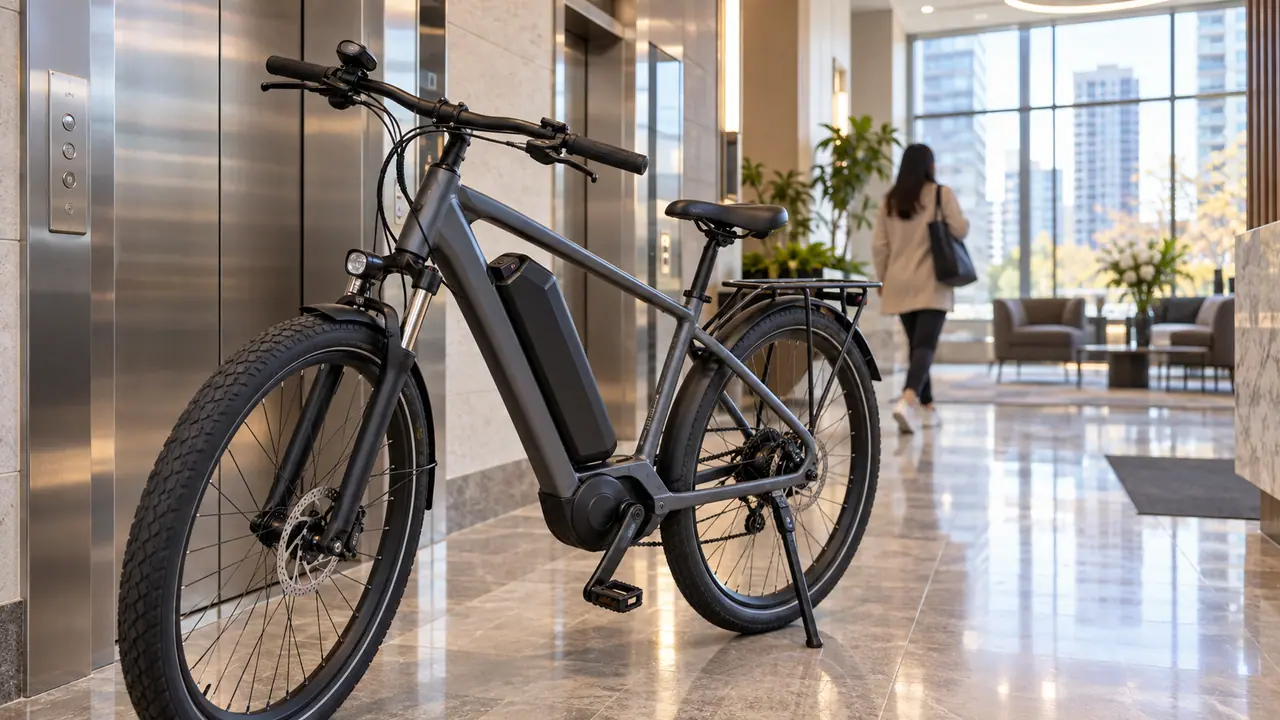
Late last year, the corporation implemented a comprehensive rule prohibiting e-bikes and similar electric transportation devices from its entire property, covering storage and charging within units, lockers, and parking spaces, as well as movement through lobbies, corridors, stairs, and elevators.
Key Takeaways
Condo boards can ban e-bikes and e-scooters from entire properties, including private units.
The ruling prioritizes uniform safety rules over individual assessments of battery types.
This decision reflects growing concerns over lithium-ion battery fires in Toronto (2026 saw 100 fires).
UL Lawyers Insight
This tribunal decision carries substantial implications for Ontario residents, particularly those living in condominiums across Mississauga, Brampton, Toronto, and the wider Greater Toronto Area. The ruling emphasizes a condo corporation's right to prioritize safety and security for all residents and property, even if it impacts an owner's ability to use their private unit as they see fit. While the specific case involved an e-bike with a sealed lead-acid battery, not a lithium-ion one, the tribunal's rationale allows boards to adopt blanket safety rules rather than individually assess each device.
This means that even if your e-bike or e-scooter is street legal, you cannot assume it can be stored or charged in your condo building. For those facing similar restrictions, understanding your rights and the Condominium Act is crucial, and our litigation lawyers can provide guidance.
Action Checklist
What You Should Do
Review your condo corporation's current rules and bylawsUrgent
Understand all existing regulations regarding e-bikes, e-scooters, and battery storage.
Obtain a copy of the specific rule or resolution banning e-bikesUrgent
Have the exact wording of the ban for legal review.
Document how the ban affects you personally
Gather evidence of hardship if the e-bike is essential for transportation or work.
Check the type of battery in your e-bike/e-scooter
While the tribunal allowed a blanket ban, knowing your battery type might be relevant for future discussions.
Consult with a lawyer specializing in condo law or litigation
Get professional advice on challenging the rule or understanding your legal options under the **Condominium Act**.
Explore alternative transportation or storage solutions
Consider options if the ban is upheld and impacts your daily routine.
Your Rights and Options
While condo corporations have broad powers under Section 58 of Ontario's Condominium Act to make rules promoting safety, security, and welfare, these powers are not unlimited. The tribunal's decision did not state that all e-bikes are inherently dangerous, but rather that the specific rule adopted by Toronto Standard Condominium Corporation No. 2587 was not unreasonable given the circumstances and the surge in battery-related fires.
If you are a condo owner or tenant in the Greater Toronto Area and believe your board's rules are unreasonable, or if you are facing hardship due to such a ban, you have the right to challenge these decisions.
Common Questions Answered
How UL Lawyers Can Help
Navigating complex condo rules and understanding your rights as an owner or tenant can be challenging, especially when facing a ban on essential transportation. Our legal team at UL Lawyers is here to help residents across Mississauga, Brampton, and Toronto. We can review your specific condo corporation's rules, assess their enforceability under the Condominium Act, and explore your options for dispute resolution or challenging a ban. We're committed to ensuring your rights are protected. Contact us for a free consultation to discuss your situation and how we can assist you.
If you're a condo owner or tenant affected by an e-bike ban in Mississauga, Brampton, or Toronto, reach out to us for a free consultation to understand your rights and options.
About this article:
Summary prepared with AI assistance from the linked source's reporting. Edited by UL Lawyers for Ontario context.
Accompanying images are AI-generated illustrations, not photographs of actual events or persons.
Important Legal Disclaimer
The information provided on this page is for general informational purposes only and does not constitute legal advice. The legal landscape regarding condominium rules and e-bike bans is complex and depends on specific facts and circumstances. It is crucial to consult with a qualified legal professional for advice tailored to your individual situation. Reliance on any information on this page is solely at your own risk.
Source: TorontoStar
Named in this article? Request content removal