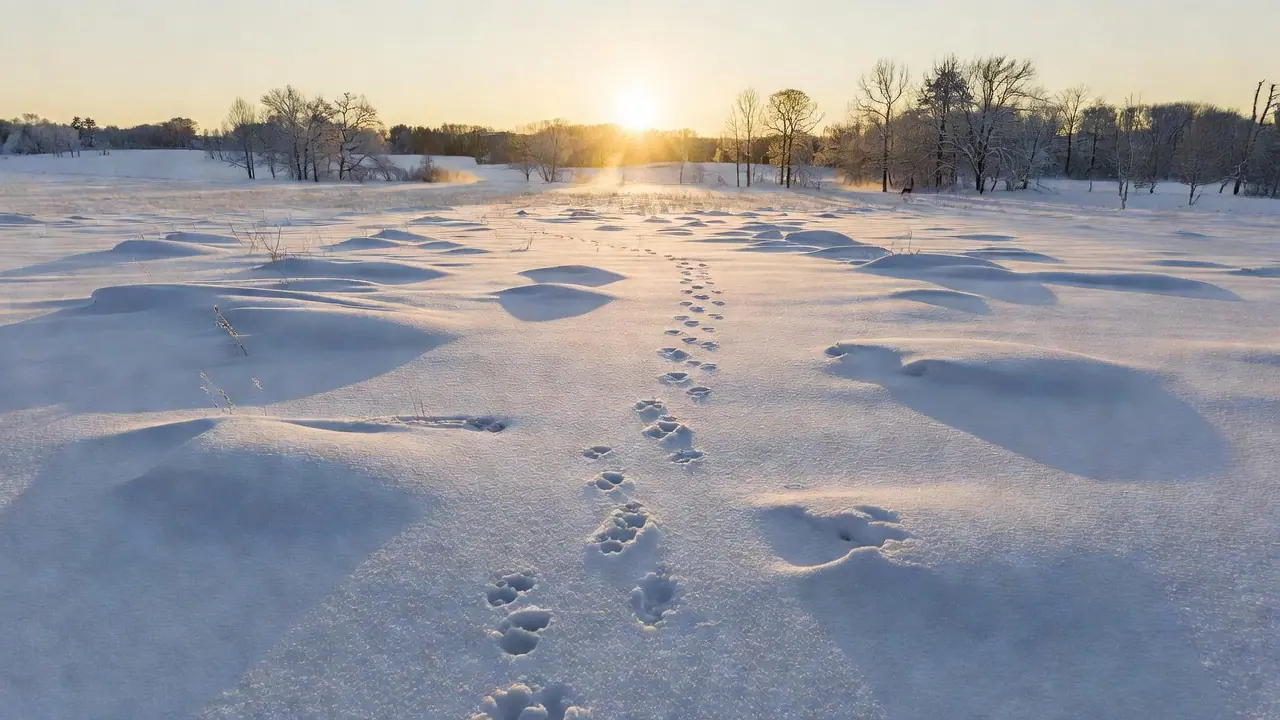

Many dog owners assume leash rules are only a city bylaw issue, but Ontario's wildlife laws can apply on both Crown and private land wherever big game live. Knowing those rules before heading to a cottage, farm or trail can help owners avoid fines and court orders.
Two residents of Desbarats, Ontario, have been ordered to pay a combined $2,500 in fines for allowing their dogs to run loose in areas where white-tailed deer live. According to CP24, each of the two was convicted of allowing their dogs to run at large during the open season for white-tailed deer. Each person was fined $1,250. For Ontario residents who want to keep up with legal developments affecting everyday life, the case shows how wildlife rules can apply to ordinary pet owners.
On top of the fines, each of the two received a two-year probation order. Under that order, any dogs in their care and control may not leave their property unless they are properly attached to a person.
The Ontario Court of Justice heard that in November 2025, conservation officers with the Ministry of Natural Resources (MNR) received complaints from a concerned landowner. The landowner reported several dogs running in their fields during the open season for white-tailed deer. Officers investigated and, using photographs and video, confirmed that the dogs belonged to the pair. The ministry said the same dogs had also been the subject of numerous complaints going back to 2022.
Justice of the Peace Kyle Cachagee heard the case in Sault Ste. Marie on Aug. 13, 2026. The ministry notes that it is illegal in Ontario to allow a dog to run at large on any Crown or private land inhabited by big game species, unless the dog is being used for hunting in an area where the regulations allow it.
The MNR said it is especially important to keep dogs from running loose in critical wintering habitats that white-tailed deer depend on to survive. In a recent court bulletin, the ministry explained that dogs allowed to roam in these areas can harass and chase deer and other big game, which can potentially lead to injury or death from exhaustion. The ministry added that keeping dogs under control on Crown or private land protects wildlife populations and also helps keep pets safe from other hazards they may run into.
The ministry is asking anyone who wants to report a natural resource problem, or who has information about an unsolved case, to call its TIPS line toll-free at 1-877-847-7667 or to contact Crime Stoppers anonymously. CP24 has also reported on other recent Ontario cases involving dogs and white-tailed deer.
Key Takeaways
Two Desbarats residents were each fined $1,250, for a total of $2,500, after being convicted of allowing their dogs to run at large during deer open season
Each received a two-year probation order requiring their dogs to be properly attached to a person whenever they leave the property
The case began with a landowner's complaints in November 2025, and the MNR says complaints about the dogs date back to 2022
Ontario law prohibits letting dogs run at large on Crown or private land inhabited by big game, except for permitted hunting
The MNR TIPS line is 1-877-847-7667, and tips can also be made anonymously through Crime Stoppers
UL Lawyers Insight
Many Ontarians think of leash rules as a city bylaw issue. This case is a reminder that provincial wildlife rules can also apply to dog owners, especially in rural areas, cottage country and anywhere big game like deer live. GTA residents who own rural property, visit a cottage, or hike on Crown land with their dogs should know that letting a dog roam in deer habitat can lead to fines and court orders.
The case also shows that complaints add up. Here, the ministry said complaints about the same dogs dated back to 2022, and photo and video evidence was used to link the dogs to their owners. Our legal resource library offers plain-language guides on a range of everyday legal issues.
There is also a civil side to roaming dogs. If a dog damages property, injures livestock or hurts a person, the owner may face a civil claim separate from any provincial charge. Disputes between neighbours over animals sometimes end up in court, and experienced litigation lawyers can help both sides understand their options.
Action Checklist
What You Should Do
Keep your dog leashed or attached to you in deer habitatUrgent
Ontario prohibits letting dogs run at large on Crown or private land inhabited by big game, except for permitted hunting
Secure your property with fencing or a tie-out system
Preventing your dog from wandering off your land helps avoid complaints and charges
Check local hunting regulations before using dogs to hunt
The exception for hunting dogs only applies where the regulations allow it
Document roaming dogs on your land with photos and videoUrgent
In this case, photo and video evidence helped officers identify the dogs' owners
Report wildlife concerns to the MNR TIPS line
Call 1-877-847-7667 toll-free or contact Crime Stoppers anonymously
Follow every term of any probation orderUrgent
Breaching a court order can lead to additional charges
Speak with a lawyer about any damage or injury from a dog
Civil claims generally must start within two years under the Limitations Act, 2002
Your Rights and Options
If you own land in an area with deer and dogs keep showing up in your fields, as the landowner in this story reported, you can file a complaint with the Ministry of Natural Resources through its TIPS line. Ontario's hunting and wildlife rules are largely set out in the Fish and Wildlife Conservation Act, 1997, although the source does not say which provision applied in this case. If a dog injures a person or a domestic animal, the Dog Owners' Liability Act generally makes the owner liable for the damage.
If you are a dog owner facing a wildlife-related charge, you have the right to defend it in court. If you are under a probation order, follow its terms closely, because breaching one can lead to additional charges. Civil claims for damage usually must start within two years under the Limitations Act, 2002. If you have questions, you can request a consultation with our team.
Common Questions Answered
How UL Lawyers Can Help
Dealing with a dispute over animals, whether you are a landowner worried about your property or a pet owner facing a complaint, can feel stressful and confusing. You may not know which rules apply or what your options are. At UL Lawyers, we take the time to listen, explain the law in plain language, and help you understand where you stand. If a dog has hurt you, your animals or your property, we can review whether a claim may be possible and guide you through each step. Reach out for a free consultation and get clear answers about your situation.
Have questions about a dog-related dispute or charge? Our team is happy to walk you through your options in a free, no-pressure consultation.
Ontario Road Report
One email a week with the road and collision stories we covered in your city and across Ontario.
About this article:
Summary prepared with AI assistance from the linked source's reporting. Edited by UL Lawyers for Ontario context.
Accompanying images are AI-generated illustrations, not photographs of actual events or persons.
Important Legal Disclaimer
This page provides general information about a reported Ontario court case involving dogs running at large in white-tailed deer habitat and is not legal advice. Wildlife rules, hunting exceptions and civil liability depend on the specific facts and location. If you are facing a wildlife-related charge or have been affected by a roaming dog, please consult a qualified Ontario lawyer about your situation.
Source: CP24
Named in this article? Request content removal