
When the province changes traffic rules, the details matter: a lane that is open to you at 10 a.m. may not be open at 9:55. Knowing the exact hours, and knowing that you can dispute a ticket you believe is wrong, helps drivers protect both their record and their insurance.
Ontario drivers who travel alone will soon have more room on the province's highways. On Wednesday, November 25, 2026, Ontario's Ministry of Transportation announced that starting January 1, 2027, single-occupant vehicles will be allowed to use the province's high-occupancy vehicle (HOV) lanes during off-peak hours. It is a notable change to the rules of the road, and our UL Lawyers legal team is following what it means for drivers in Mississauga, Brampton, Toronto and across the Greater Toronto Area.
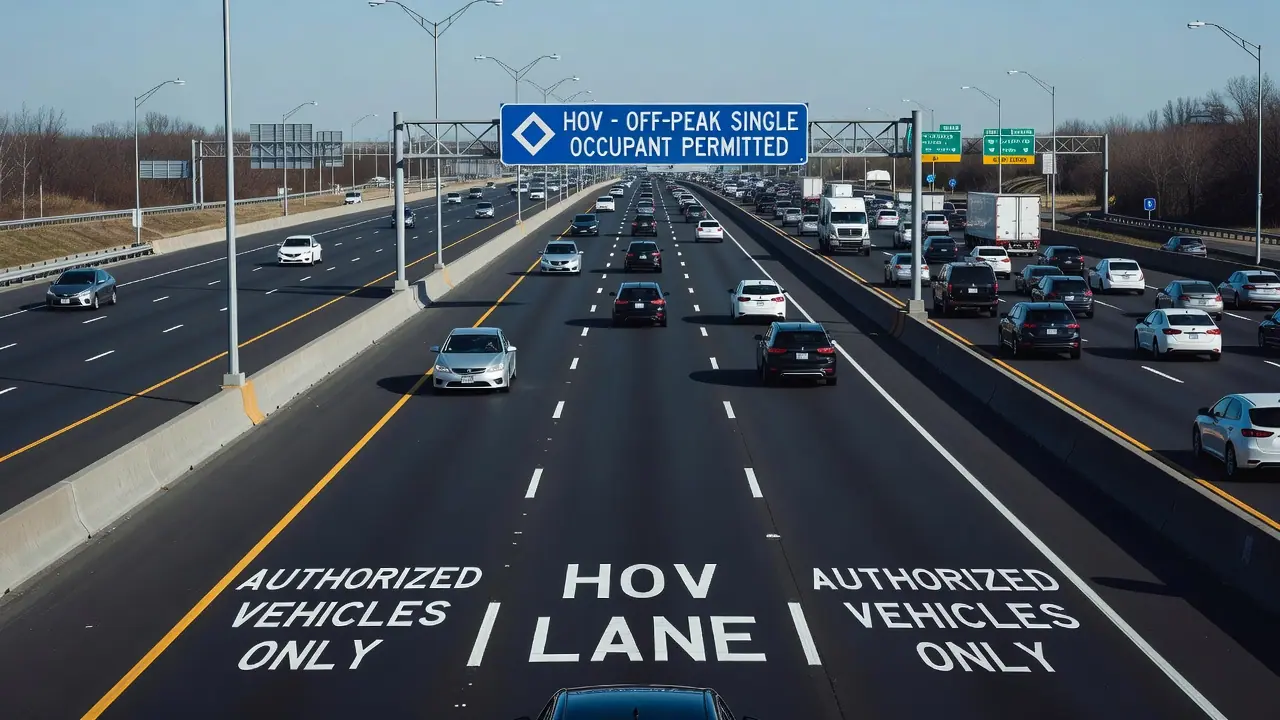
Under the new rules, solo drivers may use HOV lanes Monday to Friday from 10 a.m. to 2 p.m., and overnight from 8 p.m. to 6 a.m. On Saturdays and Sundays, single-occupant vehicles will be permitted in the lanes from 9 p.m. to 9 a.m. Outside those windows, the lanes stay reserved for carpoolers. The ministry said the plan keeps priority access for carpoolers during weekday rush hour and on weekends.
In its news release, the ministry said the change is meant to improve traffic flow and help drivers reach their destinations faster. It described the move as a way to get more use out of Ontario's existing highway infrastructure by opening HOV lanes to more drivers at times when traffic volumes are lower. Transportation Minister Prabmeet Sarkaria said drivers should not have to sit in traffic when there is open space in the HOV lane next to them. He added that opening the lanes during off-peak hours will improve traffic flow and let people spend less time on the road and more time on what matters to them. Premier Doug Ford also posted about the change on social media, describing it as opening HOV lanes to all passenger vehicles during off-peak hours so drivers are not stuck in traffic while the lanes sit empty.
The idea was first proposed in March. Putting it in place required a regulatory amendment to Ontario's Highway Traffic Act. The province stressed that single drivers will not need any special permit to use the lanes during the allowed hours. Drivers who hold high-occupancy toll (HOT) permits will continue to have access to eligible HOV lanes during restricted hours.
HOV lanes are enforced by Ontario Provincial Police (OPP) officers. Drivers caught breaking the HOV rules face a $110 fine and three demerit points. Over the years, some drivers have gone to extreme lengths to get around the rules, including driving with mannequins in their vehicles to look like passengers. A file photo accompanying the original report, taken in Toronto on Monday, June 29, 2015, shows vehicles moving quickly along nearly empty HOV lanes while morning rush-hour traffic crawls in the lanes beside them.
Key Takeaways
Starting January 1, 2027, single-occupant vehicles can use Ontario HOV lanes during off-peak hours
Weekday off-peak hours are 10 a.m. to 2 p.m. and 8 p.m. to 6 a.m.; weekend hours are 9 p.m. to 9 a.m.
No special permit is needed for solo drivers during the allowed hours
HOT permit holders keep access to eligible HOV lanes during restricted hours
The OPP enforces HOV lanes, and offenders face a $110 fine and three demerit points
The change required a regulatory amendment to the Highway Traffic Act and was first proposed in March
UL Lawyers Insight
For everyday drivers, the biggest change is timing. Until January 1, 2027, the current HOV rules still apply, and after that date the new access is limited to specific hours. Driving alone in an HOV lane outside those windows can still lead to a $110 fine and three demerit points, enforced by the OPP. Demerit points stay on your Ontario driving record for two years from the offence date and may be considered by insurers when setting premiums.
The new hours also bring a learning curve. Weekday and weekend windows are different, so it is worth knowing the schedule before you merge. Our legal resource library is a good place to learn more about Ontario driving and traffic law topics.
More traffic in HOV lanes at off-peak times also means more drivers sharing those lanes. If you are ever involved in a collision on an Ontario highway, speaking with motor vehicle accident lawyers can help you understand accident benefits and your options for a claim.
Action Checklist
What You Should Do
Note the January 1, 2027 start date
Current HOV rules apply until then, so driving alone in an HOV lane before that date can still result in a ticket
Learn the weekday and weekend off-peak hours
Weekdays are 10 a.m. to 2 p.m. and 8 p.m. to 6 a.m.; weekends are 9 p.m. to 9 a.m.
Watch for signage and official ministry guidance
Check posted signs and Ministry of Transportation updates for details on how the change applies on the highways you use
Confirm your HOT permit status if you have one
HOT permit holders keep access to eligible HOV lanes during restricted hours
Respond to any HOV ticket within 15 daysUrgent
Missing the deadline to pay, request an early resolution meeting, or ask for a trial can limit your options
Keep copies of any tickets and related records
Demerit points stay on your record for two years and may affect insurance premiums
Get legal advice after any highway collisionUrgent
Accident benefit claims and the two-year Limitations Act deadline make early advice important
Your Rights and Options
HOV lane rules fall under Ontario's Highway Traffic Act, and tickets are handled through the Provincial Offences Act process. If an OPP officer gives you an HOV ticket, for example because you were driving alone just before or after the new off-peak window, you generally have 15 days from receiving an offence notice to pay it, request an early resolution meeting, or ask for a trial. A ticket is an allegation, and you have the right to dispute it in court.
If a highway collision leaves you hurt, you may be entitled to accident benefits under Ontario's Statutory Accident Benefits Schedule (SABS), and the Limitations Act, 2002 generally sets a two-year deadline to start a lawsuit. If you are unsure about a ticket, a collision or your next steps, you can request a consultation to talk through your options.
Common Questions Answered
How UL Lawyers Can Help
Rule changes on the road can feel confusing, especially when a ticket, demerit points or a collision could affect your driving record, your insurance and your peace of mind. You do not have to sort it out alone. At UL Lawyers, we keep up with changes to Ontario law so we can explain in plain language how they apply to you. Whether you have questions about a highway collision, an injury claim or another legal issue affecting your family, we will listen, review your situation and walk you through your options. Reach out for a free, no-pressure consultation whenever you are ready.
Have questions about a traffic ticket, a highway collision or how Ontario's rule changes affect you? Our team is happy to talk it through with you in a free consultation.
Ontario Road Report
One email a week with the road and collision stories we covered in your city and across Ontario.
About this article:
Summary prepared with AI assistance from the linked source's reporting. Edited by UL Lawyers for Ontario context.
Accompanying images are AI-generated illustrations, not photographs of actual events or persons.
Important Legal Disclaimer
This page provides general information about Ontario's announced changes to HOV lane access for single-occupant vehicles, based on public reporting at the time of writing. It is not legal advice, and rules, hours and enforcement details may change or vary by location. For advice about a traffic ticket, demerit points, a highway collision or any other legal issue, please speak with a qualified Ontario lawyer about your specific situation.
Source: CityNewsTO
Named in this article? Request content removal