
When money is lost in a property or investment deal, people often wait for the criminal process to play out, but civil limitation periods in Ontario keep running in the meantime. Getting advice early can preserve your ability to pursue recovery.
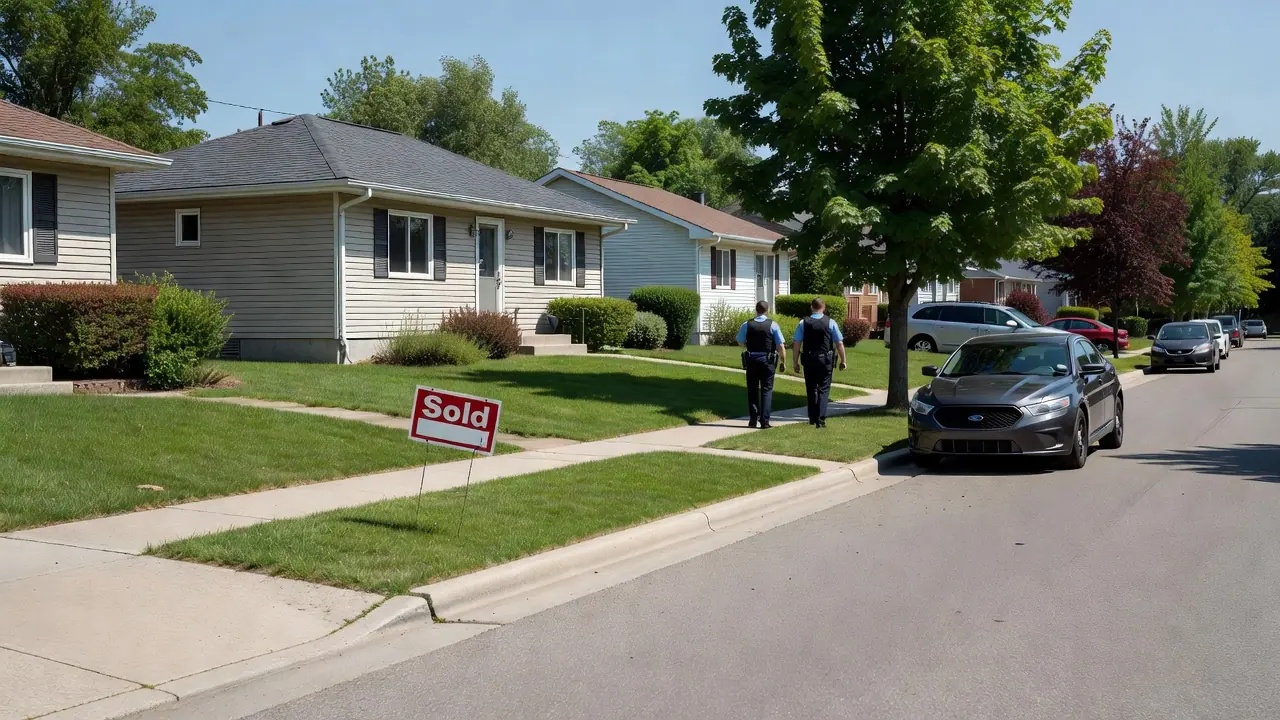
Durham Regional Police have charged two Oshawa residents after an investigation into an alleged real estate fraud. Police say the scheme left one person out $70,000. The arrests happened on November 17, 2026, and police announced the charges the following week. The case is a reminder of how property investment offers can carry real risk, and why it helps to understand your legal options in Ontario when money goes missing.
The investigation was opened in August by Durham police's Central East Criminal Investigation Branch. It started after it was alleged that a man and a woman had fraudulently obtained $70,000 from the victim. Durham Region sits just east of Toronto and includes Oshawa, where both people charged live.
According to police, the pair drew the victim in by offering co-ownership of an investment property. Police say the apparent plan was that the two sides would split the profits once the property was sold. After what police describe as an extensive investigation, police say they determined that the victim's money was never invested and that no property was ever bought.
Police say the two suspects, a 47-year-old man and a 42-year-old woman, both from Oshawa, were taken into custody on November 17 without incident. Each is facing one charge of fraud. Both were released on an undertaking. In Ontario, that generally means a person is let go on a written promise to come to court and follow any conditions listed in the document. The report does not describe any conditions in this case.
The allegations have not been tested in court. In Canada, anyone charged with a criminal offence is presumed innocent until a court decides otherwise. The criminal case will now move through the court process, and no outcome has been reported.
Durham police are asking anyone with more information about this investigation to contact them. For people in Oshawa, the rest of Durham Region and the wider GTA, the case raises practical questions. How can you check that an investment property actually exists before you send money? What can you do to try to get your funds back if a deal falls apart? Those questions apply to many co-ownership and private investment offers, whatever happens in this particular case.
Key Takeaways
Durham Regional Police charged a 47-year-old man and a 42-year-old woman from Oshawa with one count each of fraud
Police allege $70,000 was obtained from the victim through an offer of co-ownership in an investment property
Police say their investigation determined the money was never invested and no property was purchased
Both were arrested on November 17, 2026, and released on an undertaking; the allegations have not been tested in court
Victims of investment schemes may have civil options separate from any criminal case
UL Lawyers Insight
For Ontario residents, this case highlights an important point. A criminal prosecution and getting your money back are two separate tracks. Police and the Crown handle the fraud charges, and the criminal court decides whether an offence has been established. Even if a criminal court later orders restitution, that is not automatic, and collecting it can take time.
That is why people who lose money in a property or investment deal often look at a civil claim as well. A civil lawsuit can be brought in Ontario's courts against the people or businesses who received the funds, and the standard of proof is lower than in a criminal trial. Experienced litigation lawyers can assess whether a claim makes sense, whether money can be traced, and what remedies may be available.
Home prices are high across Durham Region, Toronto, Mississauga and Brampton, so informal co-ownership offers can sound appealing. Before you hand over any money, insist on a written agreement and a title search, and make sure the funds go into a lawyer's trust account.
Action Checklist
What You Should Do
Stop sending any further paymentsUrgent
Do not transfer more money for the deal until it has been independently checked.
Report the loss to police and the Canadian Anti-Fraud CentreUrgent
A formal report creates a record and may help investigators connect related cases.
Contact your bank about the transfersUrgent
Your bank may be able to flag or trace transactions, especially if you act quickly.
Preserve all communications and financial recordsUrgent
Save texts, emails, contracts, receipts and bank statements related to the investment.
Note your two-year limitation deadlineUrgent
Under the Limitations Act, 2002, civil claims generally must start within two years of discovering the loss.
Get a lawyer's opinion on a civil claim
A litigation lawyer can assess recovery options separate from any criminal case.
Verify property ownership before future investments
Use a title search and a lawyer's trust account for any real estate deal.
Your Rights and Options
If you handed over money for a property deal that never happened, a criminal case does not have to be your only route. Under Ontario's Limitations Act, 2002, you generally have two years from when you discovered the loss to start a civil lawsuit. Waiting for a criminal case to finish can use up that time, so it is wise to get advice early.
The Canadian Victims Bill of Rights gives victims the right to have the court consider a restitution order if an accused person is convicted. That process depends on the outcome of the criminal case, though, and may not cover your full loss. A civil claim can seek repayment and, in some cases, interest and costs. If you are unsure which path fits your situation, request a consultation to talk through your options.
Common Questions Answered
How UL Lawyers Can Help
Losing savings you trusted to an investment can feel overwhelming. You may feel embarrassed, worried about your finances, or unsure where to turn. Our litigation team can review your documents, explain how a civil claim works alongside any police investigation, and help you understand your deadlines under Ontario law. We look at whether funds can be traced and which steps make sense for your situation, and we explain everything in plain language so you can make informed choices. You do not have to sort this out alone. Reach out for a free consultation and we will talk through what happened and what your options may be.
Lost money on a property deal that never happened? Talk to our litigation team about your recovery options before important deadlines pass.
Ontario Road Report
One email a week with the road and collision stories we covered in your city and across Ontario.
About this article:
Summary prepared with AI assistance from the linked source's reporting. Edited by UL Lawyers for Ontario context.
Accompanying images are AI-generated illustrations, not photographs of actual events or persons.
Important Legal Disclaimer
This page provides general information about criminal charges reported by Durham Regional Police and about civil recovery options in Ontario. It is not legal advice. The individuals charged are presumed innocent, and the allegations have not been tested in court. Limitation periods and remedies depend on your specific facts, so please consult a lawyer about your situation.
Source: CityNewsTO
Named in this article? Request content removal