
Anyone who is contacted by police or border officials about a criminal investigation, in Canada or abroad, should get legal advice before giving a statement and should keep a copy of every notice and travel document. Early advice is especially important for anyone with a pending immigration application.
A Toronto architect says she has been pulled into what W5 describes as a criminal bag tag switching scheme operating out of Toronto Pearson International Airport (YYZ). The woman, who asked not to be identified, says she was targeted in an unusual way. Her account shows how the fallout from these schemes can reach travellers weeks or months after they land safely at home. It also raises important legal questions for travellers across the GTA.
In April, she and her husband flew Air Canada from Pearson to São Paulo, Brazil, to visit family. W5 reports that most people caught up in tag switching are stopped at the airport. She says the couple returned home in May without any problems. About a month later, she says, a Canada Border Services Agency (CBSA) official called and asked her to come in for an interview. She worried the call was a scam, so she called back and confirmed she was speaking with a real CBSA officer. The interview took place at a police station about an hour and a half from her home. She says it was hard to get time off because she had just started a new job.
At the interview, she says, the officer told her that her tag had been found on a bag full of illegal substances. He asked whether she had any involvement with drugs or drug trafficking, and he asked detailed questions about her suitcase. She says CBSA officers told her the problem is known at Pearson. They advised her to photograph her checked bags on future trips, and to photograph herself checking them in. She recalls them warning her that tag switching or duplicate printing schemes were happening at YYZ.
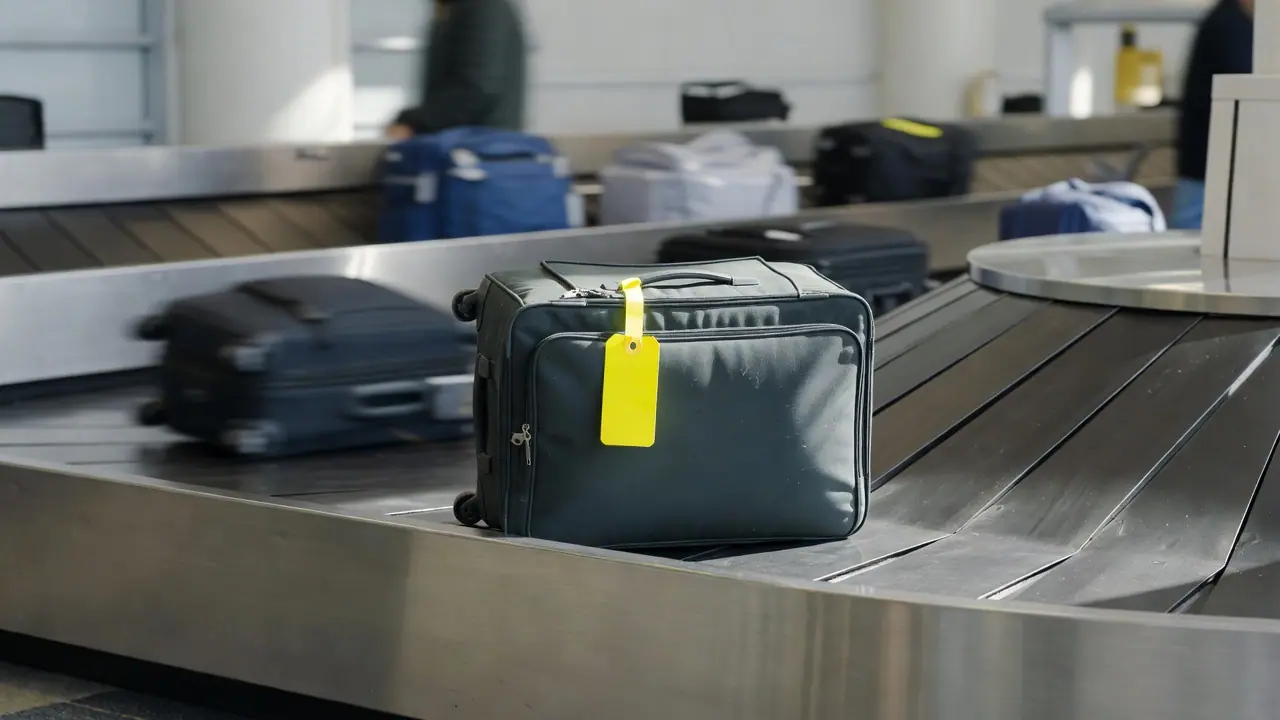
W5 explains how the scheme works. A corrupt airport employee removes the tag from an unsuspecting passenger's luggage and attaches it to a drug-filled suitcase going to that traveller's destination, where an accomplice waits to collect it. If security intercepts the bag, the innocent passenger is left to face the consequences. W5 says it has identified more than two dozen cases of Canadians caught up in the scheme, almost all of them flying out of Pearson. Photos are not always a safeguard. A man from another couple says he was targeted by a bag tag switch out of Pearson. They had photographed their bags, but he says Albanian police saw the precaution as extremely suspicious. He was jailed for days and now faces a potential 15-year sentence in Albania. W5's Avery Haines also spoke with lawyer Paul Miller about a rise in new bag tag switching cases that his firm is now handling.
The architect says she left the CBSA interview thinking the matter was over. She had been afraid it could hurt her permanent residency application, which was still in progress at the time. The following month, Brazil's Federal Police contacted her and required her to attend an online interview. She says Canadian officials had described their interview as optional, while the Brazilian officers told her it was mandatory. The Brazilian officer told her she was the subject of an international drug trafficking investigation, and that the suitcase with her tag held 15 kilograms of hashish. He showed her photos of two bags, gave her a name, and repeatedly asked whether she knew that person. She suspects the same thing happened to two people on the same flight. Brazil's federal police also sent her a formal notice of the investigation.
She says she has not heard from Brazil since that interview this summer and hopes no news is good news. With no resolution, though, the stress continues. She says she now stays on high alert at airports, constantly watching her luggage and her surroundings. She says she knows it could have been worse: W5 reports that Canadians have been jailed abroad, some for more than a year.
Key Takeaways
W5 reports more than two dozen cases of Canadians caught up in bag tag switching, almost all flying out of Toronto Pearson International Airport.
A Toronto architect says CBSA told her that her tag was found on a bag of illegal substances after an April flight to São Paulo, Brazil.
Brazil's Federal Police later told her she is the subject of an international drug trafficking investigation involving 15 kilograms of hashish.
She says CBSA described its interview as optional, while Brazilian police said attendance was required.
Another traveller says photos of his bags were seen as suspicious by Albanian police; he was jailed for days and faces a potential 15-year sentence.
The traveller says she has heard nothing from Brazil since her summer interview, and the matter remains unresolved.
UL Lawyers Insight
For Ontario travellers, this story shows that a criminal investigation can reach you weeks or months after a trip, sometimes from another country. In this case, the traveller says she was contacted first by CBSA and then by Brazil's Federal Police after landing home without incident. Being questioned or named in an investigation is not the same as being charged, and it is not a finding that you did anything wrong. Still, every contact like this deserves careful handling.
Newcomers face added worry. The traveller in this story feared the matter could hurt her pending permanent residency application. The Immigration and Refugee Protection Act sets out when criminality, including matters outside Canada, can affect admissibility. If you have an application in progress and police in Canada or abroad contact you, speak with an immigration lawyer before you assume the issue is closed or ignore it.
The story also shows that the same precaution can be read differently in different countries. Once you leave Canada, Canadian legal protections do not follow you.
Action Checklist
What You Should Do
Keep every baggage claim receipt, boarding pass and itinerary
These records show what you checked in and when, which can help if questions arise months later.
Verify any call from CBSA or police before you respondUrgent
Call the agency back through an independently found number, as the traveller in this story did, to rule out scams.
Ask whether an interview is voluntary and speak with a lawyer firstUrgent
Understanding your rights, including your Charter rights in Canada, before you give any statement protects you.
Save every formal notice from foreign authoritiesUrgent
Notices like the one Brazil's federal police sent may set out deadlines or obligations, so keep originals and copies.
Tell your immigration lawyer about any investigation if you have a pending applicationUrgent
Get advice on whether and how to address it with immigration authorities.
Know how to reach Global Affairs Canada consular services before you travel
Consular officials can help if you are detained abroad, although they cannot override foreign law.
Track your time off work, legal fees and other costs
Records of your losses matter if you later explore a civil claim, which in Ontario is generally subject to a two-year limitation period.
Your Rights and Options
In Canada, the Canadian Charter of Rights and Freedoms protects your right to counsel under section 10(b) if you are arrested or detained, and section 7 protects your right to remain silent. If an agency such as CBSA asks you to attend an interview, you can ask whether attendance is voluntary and speak with a lawyer first. In this story, the traveller says Canadian officials told her their interview was optional. Always verify that a caller is legitimate, as she did.
Abroad, foreign law applies. Global Affairs Canada can provide consular assistance, but it cannot override another country's legal process. If you suffer financial or other losses, civil claims in Ontario generally must be started within two years under the Limitations Act, 2002. Speaking with a lawyer early helps protect your options.
Common Questions Answered
How UL Lawyers Can Help
Learning that your name is attached to a drug investigation, especially in another country, can be frightening and isolating. You may worry about your job, your travel plans, or your immigration status all at once. At UL Lawyers, we listen first and then help you sort out what matters most. We can review how a foreign or Canadian investigation might affect a pending immigration application, help you organize your documents, explain any civil options under Ontario law, and point you toward the right specialized counsel when needed. If this situation feels overwhelming, reach out for a free consultation so you are not facing it alone.
If police in Canada or abroad have contacted you after a trip, or you are worried about how an investigation could affect your immigration status, our team can help you understand your options and plan your next steps.
Ontario Road Report
One email a week with the road and collision stories we covered in your city and across Ontario.
About this article:
Summary prepared with AI assistance from the linked source's reporting. Edited by UL Lawyers for Ontario context.
Accompanying images are AI-generated illustrations, not photographs of actual events or persons.
Important Legal Disclaimer
This page provides general information about a reported bag tag switching scheme linked to Toronto Pearson International Airport and the legal issues it may raise for Ontario travellers and newcomers. It is not legal advice, and it does not comment on the guilt or innocence of anyone involved. Foreign investigations are governed by the laws of that country, and your options depend on your specific facts. Please consult a qualified lawyer about your situation.
Source: CP24
Named in this article? Request content removal