
In Canadian courts, serious findings, including conclusions about how police acted, have to be grounded in the evidence presented at trial. The appeal process exists to catch errors so that every case is decided on the facts and the law.
The Ontario Court of Appeal has ordered a new trial in a Peel Region gun case. It overturned a decision by Justice Renu Mandhane, a judge sitting in Brampton. That is according to a Toronto Sun opinion column by Brian Lilley, published November 26, 2026. In a unanimous ruling, a three-judge panel set aside Justice Mandhane's decision in the case known as R. v. Cameron. The accused man will now face a new trial on charges of possessing an illegal gun. For readers following Ontario legal developments, the case shows how courts weigh evidence when claims of bias are raised about a police stop.
The column says Justice Mandhane dismissed the charges against the accused last year. According to the column, she found that the officer arrested the man only because of systemic bias. The columnist argues that this conclusion had no support in the facts or evidence. He also says it unfairly damaged the reputation of the arresting officer, Const. Anand Gandhi, and the Peel Regional Police Service. These are the columnist's views. The column is openly critical of the judge.
The column also describes what the appeal court found. It says the three appeal judges concluded the original decision fell short on evidence, showed gaps in its understanding of the law and relied on speculation. The full reasons from the Court of Appeal are not reproduced in the column. This summary therefore relies on the columnist's description of the ruling.
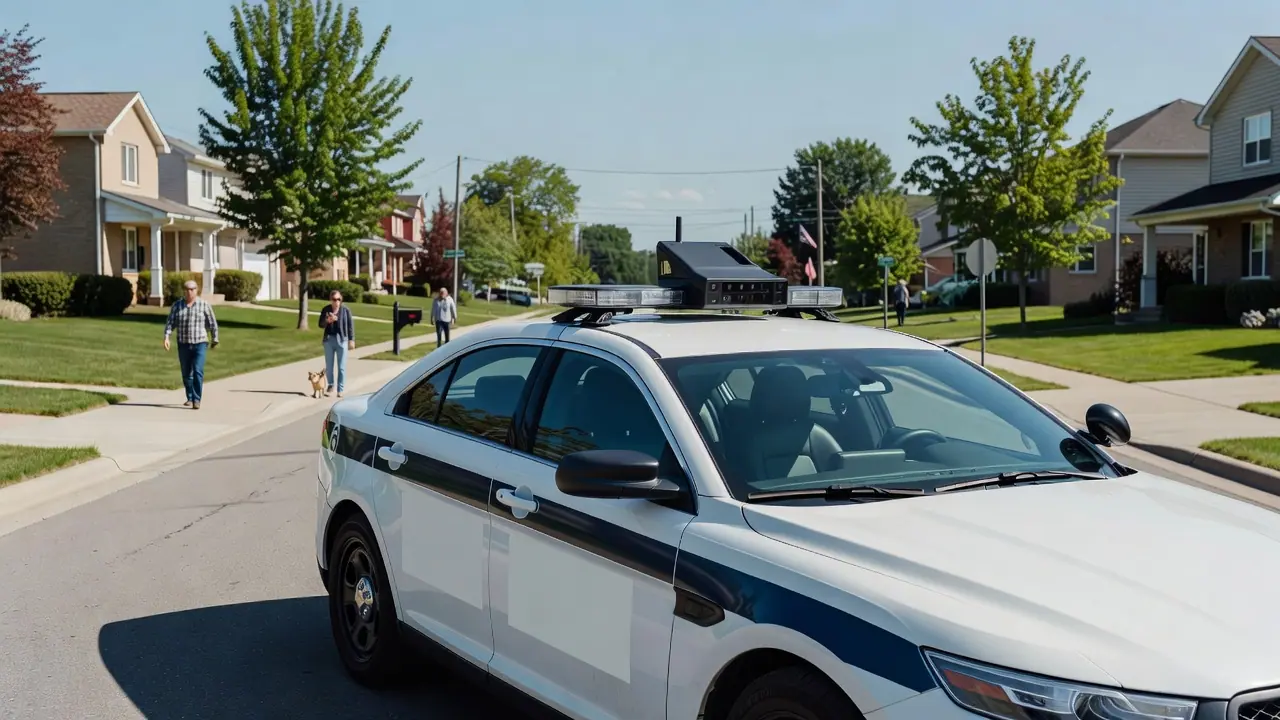
The case began with a traffic stop in October 2023. The column says it happened on a residential street, but it does not name the street, intersection or neighbourhood. Const. Gandhi was driving in the opposite direction from the accused's vehicle when his automatic licence plate reader sent him an alert. The alert said the vehicle's registered owner had a suspended driver's licence and that the vehicle was "impound eligible." The officer made a U-turn, pulled the vehicle over and ran the licence plate. The available version of the column cuts off at this point, so this summary does not include any later details of the stop.
The case now goes back for a new trial. The gun charges remain allegations that have not been tested in court, and the accused is presumed innocent unless the Crown can establish the charges at trial. Before becoming a judge, Justice Mandhane was head of the Ontario Human Rights Commission. A 2020 file photo published with the column shows her in that role.
Key Takeaways
According to a Toronto Sun column, a unanimous three-judge Ontario Court of Appeal panel overturned Justice Renu Mandhane's decision in R. v. Cameron
The accused man has been ordered to face a new trial on charges of possessing an illegal gun
The column says the trial judge had dismissed the charges, citing systemic bias by the arresting officer; the columnist argues this finding lacked evidence
The October 2023 stop began after a Peel Regional Police licence plate reader flagged the vehicle's owner as having a suspended licence
The charges have not been tested in court, and the accused is presumed innocent
UL Lawyers Insight
This ruling is a reminder that serious findings in court, including findings that police acted out of bias, must rest on evidence presented at trial. When an appeal court decides a trial judge got the law or the evidence wrong, it can order a new trial instead of letting the original result stand. A new trial does not decide guilt or innocence. It simply means the case will be heard again.
The case also shows how much routine policing in the GTA now relies on technology like automatic licence plate readers. These systems check a plate against records about the registered owner, such as licence status. If you own a vehicle that family members or friends drive, the owner's records can lead to a traffic stop even when someone else is behind the wheel.
For Ontario residents, it is worth knowing how Charter rights apply during traffic stops and how appeals work. Our legal resource library offers plain-language guides on how court decisions and appeals can affect everyday people.
Action Checklist
What You Should Do
Provide your licence, vehicle permit and insurance when askedUrgent
Ontario's Highway Traffic Act requires drivers to produce these documents when police request them during a stop
Ask whether you are being detained and whyUrgent
Knowing your status helps you understand which Charter rights apply in the moment
Ask to speak with a lawyer if you are detained or arrestedUrgent
Section 10(b) of the Charter gives you the right to contact a lawyer without delay
Write down the details of the stop as soon as possibleUrgent
Record the date, time, exact location, officer names or badge numbers and what was said while your memory is fresh
Check the licence status of anyone driving a vehicle registered to you
Plate readers flag issues tied to the registered owner, which can lead to stops and possible impoundment
Keep copies of all court documents and police disclosure
If a case is appealed or retried, organized records help your lawyer respond quickly
Consider filing a complaint with the Law Enforcement Complaints Agency if you have concerns
This independent Ontario agency reviews public complaints about police conduct
Your Rights and Options
If police stop you in Ontario, the Canadian Charter of Rights and Freedoms protects you. Section 9 protects you from arbitrary detention, section 8 protects you from unreasonable search and seizure, and section 10(b) gives you the right to speak with a lawyer without delay if you are detained. Under the Highway Traffic Act, police can require drivers to stop. Drivers must produce their licence, vehicle permit and insurance when asked. As this case shows, a stop can begin with an automated alert about the vehicle's registered owner.
If you face a criminal charge, you are presumed innocent. Under the Criminal Code, the Crown can appeal some trial decisions on questions of law, so a favourable result at trial may not be final. If you are unsure about your rights after a police stop or during a court case, you can request a consultation with our team for guidance or a referral.
Common Questions Answered
How UL Lawyers Can Help
It can be unsettling to read that a court case you thought was over can be reopened, or that a routine traffic stop can lead to serious charges. If you are dealing with a legal issue and don't know where to turn, you don't have to sort it out alone. UL Lawyers helps people across Mississauga, Brampton, Toronto and the GTA understand their rights in plain language. If your situation falls outside our practice areas, we can point you toward the right kind of help. Reach out for a free, no-pressure consultation.
Have questions about your rights after a police stop or how a court ruling might affect you? Our team can talk it through with you and point you to the right help.
Ontario Road Report
One email a week with the road and collision stories we covered in your city and across Ontario.
About this article:
Summary prepared with AI assistance from the linked source's reporting. Edited by UL Lawyers for Ontario context.
Accompanying images are AI-generated illustrations, not photographs of actual events or persons.
Important Legal Disclaimer
This page summarizes an opinion column about an Ontario Court of Appeal decision in a criminal case. It provides general information only and is not legal advice. The charges described have not been tested in court, and the accused is presumed innocent. UL Lawyers does not practise criminal defence. If you are facing charges or have concerns about a police interaction, please consult a qualified lawyer about your specific situation.
Source: TheTorontoSun
Named in this article? Request content removal