
When a crime happens inside your home, the police case and your own rights to support, insurance coverage and compensation move on separate tracks. Protecting one does not automatically protect the other, so victims should keep their own records and watch their own deadlines.
Peel Regional Police scheduled a news conference for the morning of November 26, 2026, to give an update on an investigation into multiple home invasions targeting luxury vehicles across the Greater Toronto Area. Police have named the investigation Project Twilight, according to a CP24 report published that day.
The news conference was set to begin at 10 a.m. at Peel police headquarters. Det.-Const. Nathan Ball of the Central Robbery Bureau was expected to speak to reporters. Police were expected to share more information about the investigation at that time.
The report announcing the event was brief. It did not say how many home invasions are part of Project Twilight, which cities or neighbourhoods in the GTA were affected, or when the incidents happened. It did not describe the vehicles beyond calling them luxury vehicles. It also did not report any arrests, charges, injuries or recovered vehicles. Those details were not in the source, so we have not filled them in. If police announce charges, those will be allegations that have not been tested in court, and anyone accused is presumed innocent.
Even without those details, the announcement matters to households in Mississauga, Brampton, Toronto and across the GTA. A home invasion is not the same as a car taken from a driveway overnight while everyone is asleep. It means someone enters a home while people are inside. That can bring families face to face with intruders in the place where they should feel safest. Police are looking at these incidents together under a single, named investigation rather than handling each one on its own.
For people affected by crimes like these, the questions usually go beyond the police case. Victims often have to deal with insurance claims, property damage, lost or damaged belongings, time off work, and the emotional toll of being targeted at home. Some may also wonder whether they can recover their losses. The criminal case is run by police and the Crown, and it does not by itself compensate victims for what they lost.
Our UL Lawyers legal team follows developments like Project Twilight because they touch on several areas of Ontario law at once. These include victims' rights, insurance coverage and civil claims. We will watch for any further details police release about the investigation. In the meantime, this page explains what Ontario residents can do to protect themselves and what options victims may have.
Key Takeaways
Peel Regional Police are investigating multiple GTA home invasions targeting luxury vehicles under the name Project Twilight
An update was scheduled for 10 a.m. on November 26, 2026, at Peel police headquarters
Det.-Const. Nathan Ball of the Central Robbery Bureau was expected to speak at the news conference
The initial report did not include the number of incidents, locations, arrests or charges
Victims in Ontario may have insurance, support and civil options that are separate from the criminal case
UL Lawyers Insight
Canadian law treats crimes inside a person's home very seriously. Under section 348.1 of the Criminal Code, a judge must treat the fact that an offence took place in an occupied home as an aggravating factor at sentencing if the accused knew or was reckless about people being inside. That matters for how any case linked to an investigation like this may later be handled in court. Charges, if any, still have to be tested before a judge.
For victims, the criminal process is only one track. Ontario's Victims' Bill of Rights, 1995 and the federal Canadian Victims Bill of Rights give victims rights to information about a case and a chance to present a victim impact statement if a case reaches sentencing. Separately, your home and auto insurance policies may cover stolen vehicles, damaged doors and stolen property. Our legal resource library has more plain-language guides on these topics.
If losses are not fully covered, a civil claim is a separate legal option with its own rules and deadlines. Speaking with experienced litigation lawyers can help you understand whether a claim makes sense in your situation.
Action Checklist
What You Should Do
Call 911 if you are in danger or an intruder is presentUrgent
Personal safety comes first. Do not confront intruders or try to stop a vehicle theft yourself.
Report the incident to police and get an occurrence numberUrgent
Insurers and victim support programs usually ask for a police report reference.
Save home security, doorbell and dashcam footageUrgent
Some systems overwrite recordings automatically, so download and keep copies right away.
Notify your home and auto insurers promptlyUrgent
Policies have notice requirements, and late reporting can complicate your claim.
Document all damage and stolen propertyUrgent
Take photos, list missing items, and gather receipts, vehicle ownership papers and key fob details.
Apply for victim support if you were harmed
Ontario's Victim Quick Response Program+ may help with counselling, emergency repairs and other immediate costs.
Keep track of the two-year limitation period
Under the Limitations Act, 2002, civil claims for uncovered losses generally must start within two years.
Your Rights and Options
If your home was targeted in a break-in or home invasion, you have rights as a victim even while police investigate. Ontario's Victims' Bill of Rights, 1995 says victims should be treated with courtesy and respect and kept informed about the case. If you were hurt or traumatized, Ontario's Victim Quick Response Program+ may provide short-term financial help for things like counselling, emergency home repairs and other immediate needs.
Your insurance policies may also apply. Auto policies with comprehensive or specified perils coverage typically respond to vehicle theft, and home policies may cover damage and stolen belongings. Report losses promptly, since policies have notice requirements. If you want to sue for losses that insurance does not cover, Ontario's Limitations Act, 2002 generally gives you two years from the date you discovered the claim. You can request a consultation to review your options.
Common Questions Answered
How UL Lawyers Can Help
Having strangers enter your home is frightening, and the stress often continues long after police leave. You may be dealing with insurers, repair bills, a missing vehicle and worries about your family's safety all at once. At UL Lawyers, we help you sort through it in plain language. We can review your insurance coverage, explain your rights as a victim in Ontario, help you push back if a claim is delayed or denied, and assess whether a civil claim is worth pursuing. You do not have to figure this out alone. Reach out for a free consultation and we will talk through your situation.
If your home or vehicle was targeted and you're unsure what your insurance covers or what your rights are, we're happy to talk it through with you in a free consultation.
Ontario Road Report
One email a week with the road and collision stories we covered in your city and across Ontario.
About this article:
Summary prepared with AI assistance from the linked source's reporting. Edited by UL Lawyers for Ontario context.
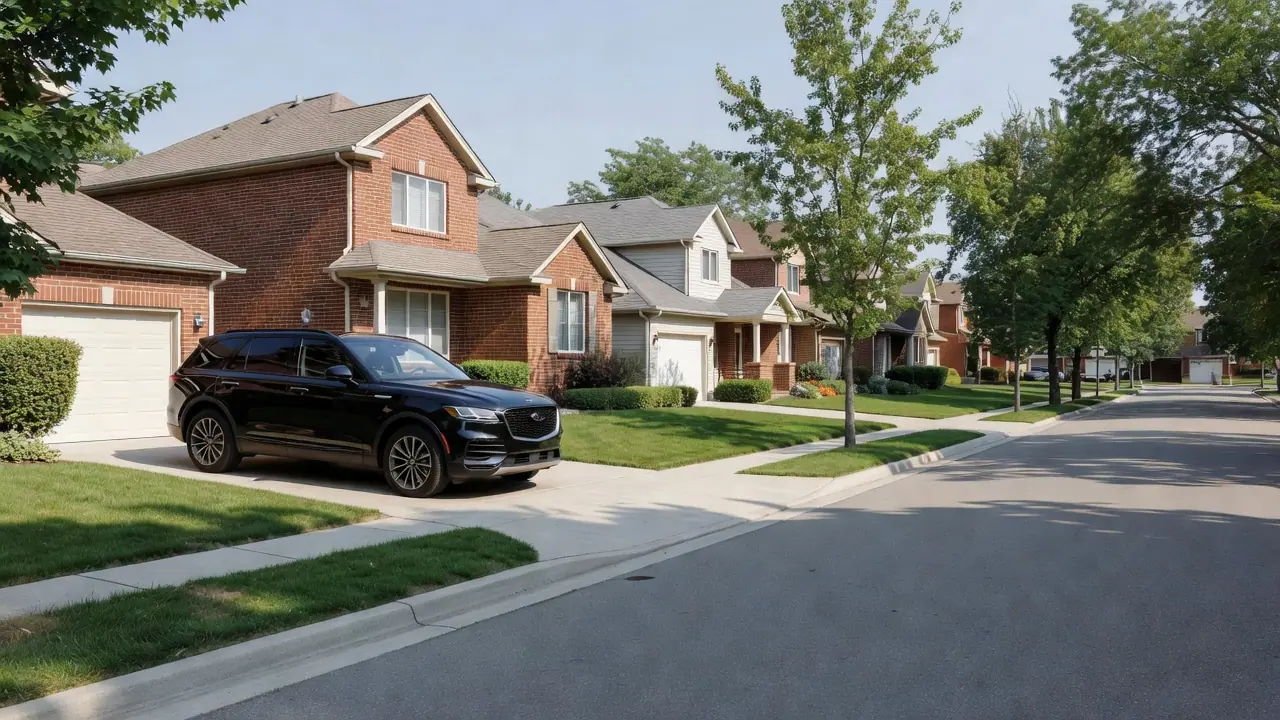
Accompanying images are AI-generated illustrations, not photographs of actual events or persons.
Important Legal Disclaimer
This page provides general information about a Peel Regional Police investigation based on early public reporting, and details may change as police release more information. It is not legal advice, and any allegations connected to the investigation have not been tested in court. Insurance coverage, victim support eligibility and civil claim deadlines depend on your specific circumstances, so please speak with a lawyer about your situation.
Source: CP24
Named in this article? Request content removal