
Criminal convictions not only carry legal penalties but can also severely impact an individual’s immigration status, often leading to deportation.
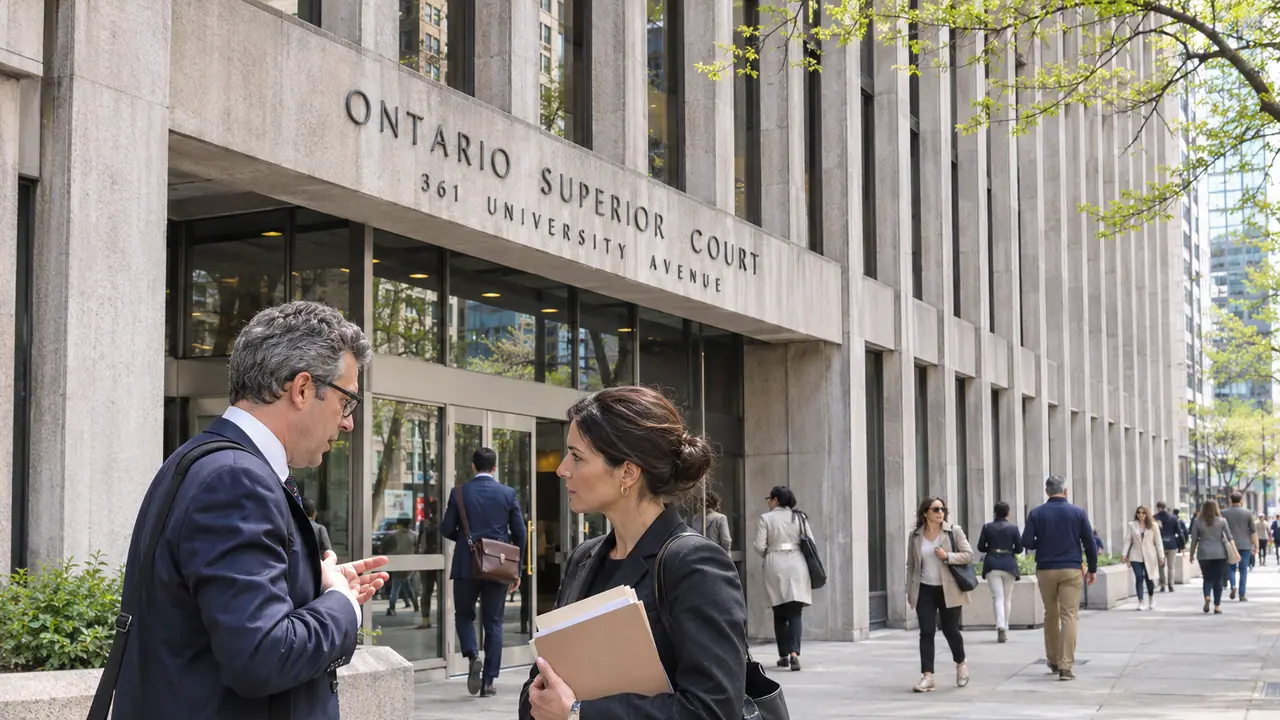
In a recent ruling by the Ontario Superior Court, Mohammad Shofa, a 29-year-old Afghan immigrant, was sentenced to five-and-a-half years in prison for a series of crimes committed in Toronto. The case unfolded across various locations, including a robbery on May 20, 2024, at a restaurant, followed by an attempted robbery on June 4, 2024, on Yonge Street. On June 7, 2024, Shofa escalated his criminal activities with a violent carjacking at 3 a.m., where he attacked a driver on Yonge Street, leaving the victim with a hand wound requiring stitches.
Despite pleas for leniency to avoid automatic deportation, Justice Breese Davies denied the request, citing the severity and recurrence of offenses. Shofa had previously breached bail conditions imposed after an armed robbery conviction, making him ineligible for a reduced sentence. Understanding Canada's immigration policies is crucial for individuals facing similar legal challenges.
Key Takeaways
Criminal sentences over six months can lead to deportation.
Repeat offenses reduce leniency opportunities in sentencing.
Understanding legal rights is crucial for immigrants facing charges.
UL Lawyers Insight
For Ontario residents, particularly immigrants, this case underscores the importance of understanding how criminal convictions can impact one's residency status in Canada. A sentence of more than six months can trigger automatic deportation under Canadian immigration law, regardless of personal circumstances or pleas for leniency. This ruling highlights the judicial system's focus on public safety and the consequences of repeated criminal behavior.
For those in similar situations, it’s essential to seek immediate legal advice to explore options that might mitigate harsh outcomes, such as deportation. Consulting with immigration lawyers can help affected individuals understand their rights and potential defenses.
Action Checklist
What You Should Do
Seek legal counsel immediately if facing chargesUrgent
Professional guidance is essential to explore defense strategies.
Understand the immigration implications of your chargesUrgent
Criminal convictions can lead to deportation under Canadian law.
Gather all relevant legal documents and evidenceUrgent
Proper documentation is crucial for building a strong defense.
Explore potential defense strategies with a lawyer
Discuss possible legal options to mitigate the impact of charges.
Prepare for potential appeals processes
Understand timelines and requirements for appealing decisions.
Your Rights and Options
As an immigrant in Canada, it's crucial to understand that any criminal conviction can have significant immigration consequences, including deportation. Under the Immigration and Refugee Protection Act (IRPA), non-citizens convicted of serious crimes, particularly those resulting in a prison sentence of six months or more, are subject to removal from Canada. This emphasizes the importance of legal representation when facing criminal charges to potentially mitigate the impact on residency status.
If you or someone you know is facing similar charges, consulting an immigration lawyer can provide guidance on possible defenses and the appeals process to protect immigration status. Legal expertise is essential to navigate the complexities of the IRPA and to explore any available options to challenge or appeal decisions effectively.
Common Questions Answered
How UL Lawyers Can Help
We understand how stressful and overwhelming it can be to face potential deportation due to criminal charges. Our team of experienced immigration lawyers at UL Lawyers is here to support you. We can help you understand your rights, evaluate your legal options, and guide you through the complex immigration process. If you're dealing with a similar situation, we invite you to reach out for a free consultation and learn how we can assist you in navigating this challenging time.
Facing legal challenges or deportation concerns? Speak with our immigration experts to explore your rights and options.
About this article:
Summary prepared with AI assistance from the linked source's reporting. Edited by UL Lawyers for Ontario context.
Accompanying images are AI-generated illustrations, not photographs of actual events or persons.
Important Legal Disclaimer
The information on this page is for general informational purposes only and does not constitute legal advice. For advice regarding your specific situation, please consult a qualified legal professional.
Source: TheTorontoSun
Named in this article? Request content removal