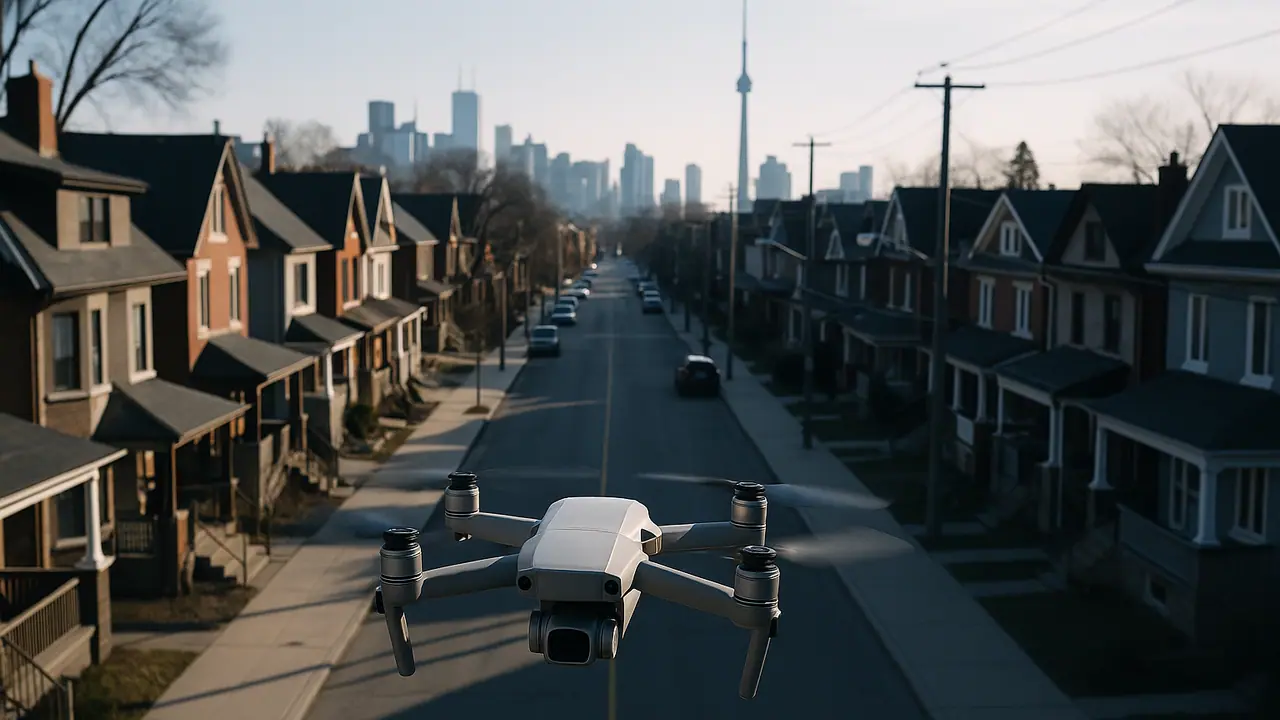

The integration of drones into police work marks a significant advancement in crime-solving capabilities, but it also necessitates careful consideration of privacy rights.
Toronto Police Services have increasingly relied on drones to aid in their investigative work, as revealed in a recent report presented to the Toronto Police Service board. In 2025, drones were deployed 2,365 times, primarily in efforts to locate suspects, search for missing persons, and investigate violent crimes such as shootings and murders. The report, discussed at the board's July meeting, highlighted a general decline in reported crimes, although incidents of assault, attempted murder, and fraud continue to pose challenges.
According to Chief Myron Demkiw, while there has been a noticeable decrease in homicides, auto thefts, and hate crimes, maintaining community safety remains a priority. The usage of drones, especially in high-density areas like downtown Toronto and neighborhoods such as St. Clair, underscores the commitment to enhancing public safety and crime-solving efficiency. This technological advancement comes as part of broader efforts to adapt policing strategies in response to evolving crime trends.
Key Takeaways
Toronto Police used drones 2,365 times in 2025.
Drone usage focuses on crime detection and missing persons.
Assault, attempted murder, and fraud rates remain high.
UL Lawyers Insight
For residents of Toronto and the Greater Toronto Area, the integration of drone technology into police work signifies a shift towards more efficient and expansive crime detection and prevention methods. The use of drones can potentially lead to faster response times and improved outcomes in criminal investigations, which is crucial for public safety. However, it also raises important questions about privacy and the extent of surveillance.
Understanding the balance between safety and privacy is essential for residents, as the implications of increased surveillance could affect personal freedoms. The deployment of drones might also impact how evidence is gathered and presented in legal cases, emphasizing the importance of staying informed about legal developments in policing technologies.
Action Checklist
What You Should Do
Stay informed about privacy laws related to drone surveillance
Understanding laws like FIPPA is crucial for protecting your rights.
Engage with community discussions on police technology
Participate in local forums to discuss the impact of drone usage in your area.
Monitor developments in police technology
Stay updated on how technologies like drones are being used in law enforcement.
Consult legal experts if you have privacy concernsUrgent
Seek advice to understand your rights and protections under the law.
Document any concerns about surveillance
Keep records of any instances where you believe your privacy was compromised.
Your Rights and Options
Ontario residents have the right to be informed about how technological advancements, such as drone surveillance, might affect their privacy and community interactions. While drones can enhance safety by aiding in crime prevention and investigation, it's important to be aware of the legal frameworks governing their use. The Freedom of Information and Protection of Privacy Act (FIPPA) provides guidelines on how public bodies can collect and use personal information.
If you're concerned about privacy violations or the implications of drone surveillance on your daily life, consider reaching out to legal professionals who can provide guidance and help protect your rights. Engaging with community organizations to discuss these developments can also be a proactive step in understanding and influencing how such technologies are implemented in your neighborhood.
Common Questions Answered
How UL Lawyers Can Help
Understanding the implications of new policing technologies can be overwhelming, especially when it comes to balancing safety with personal privacy. At UL Lawyers, we can help you navigate these complexities by offering insights into your rights and any potential legal challenges you might face. Our team is dedicated to staying informed about the latest legal developments to ensure our clients have the support they need. If you have questions or concerns about how these changes might affect you, reach out for a free consultation to discuss your situation with our experienced team.
Curious about how police technologies might affect your privacy? Contact us for a free consultation and learn about your rights.
About this article:
Summary prepared with AI assistance from the linked source's reporting. Edited by UL Lawyers for Ontario context.
Accompanying images are AI-generated illustrations, not photographs of actual events or persons.
Important Legal Disclaimer
This article provides general information and is not intended as legal advice. For specific legal concerns, consult with a qualified attorney familiar with Ontario law.
Source: TheTorontoSun
Named in this article? Request content removal