
Understanding your rights during protests and in cases of theft is crucial for protecting yourself legally.
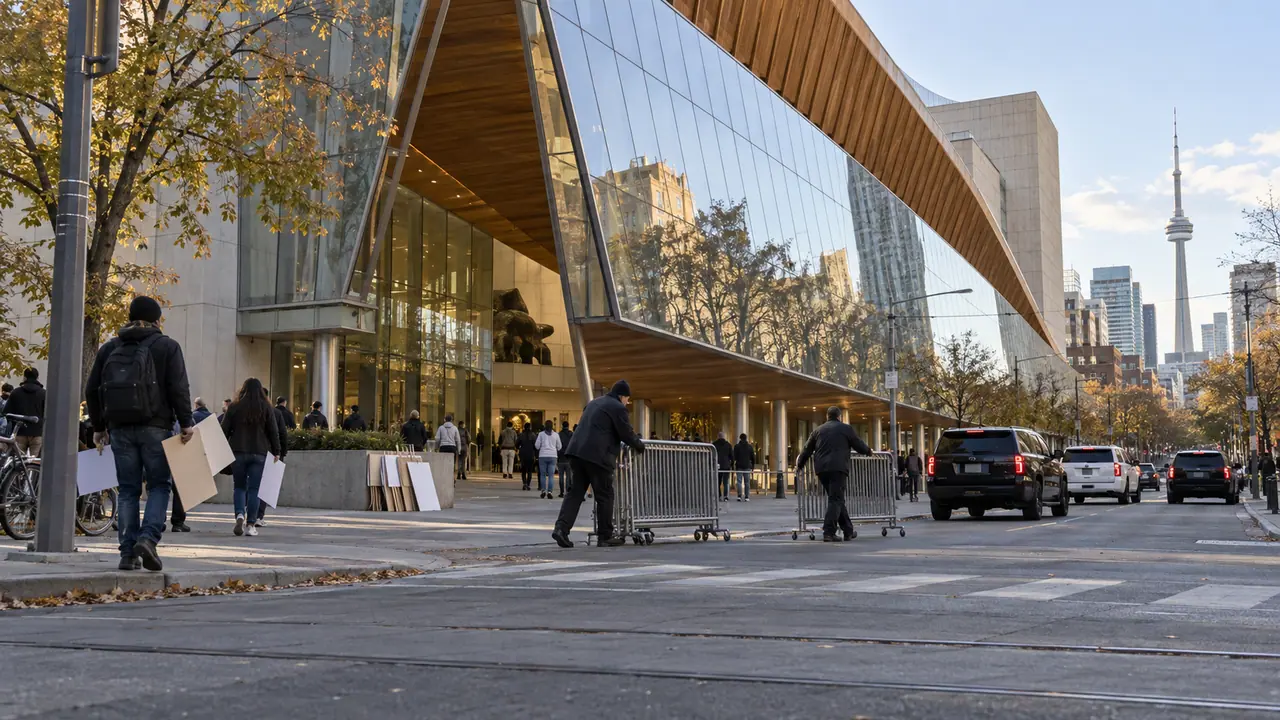
On Monday night, a protest unfolded outside the Art Gallery of Ontario (AGO) in Toronto at the intersection of McCaul St. and Dundas St. W., coinciding with Prime Minister Mark Carney's Investment Summit dinner. The protest saw the arrest of two Toronto women after they allegedly blocked the road and interacted with police. Shelly Agius, 44, was charged with mischief and obstructing a peace officer, while Lily Phan, 49, faced charges of obstructing and assaulting a peace officer.
Meanwhile, in a different incident earlier, a man was arrested for allegedly committing a distraction theft targeting an elderly man in the Rockcliffe Blvd. and Alliance Ave. area. These incidents highlight ongoing legal and community tensions within Toronto. UL Lawyers Legal Team provides insights into such legal developments.
Key Takeaways
Protesting is legal but must comply with regulations
Interfering with police can lead to serious charges
Distraction thefts are a rising concern, especially for seniors
UL Lawyers Insight
For Ontario residents, these events underscore the importance of understanding your legal rights in public demonstrations and criminal investigations. Protesting is a fundamental right in Canada, but it must be conducted within the bounds of the law. Interacting with police can lead to serious charges, as seen in this case, which reinforces the need for awareness about legal boundaries and repercussions. Similarly, distraction thefts are a growing concern, particularly for vulnerable individuals such as seniors, emphasizing the need for vigilance and community support.
Legal guidance can help clarify these complex issues and ensure your rights are protected. For more on legal developments affecting our community, visit our Legal Resource Library.
Action Checklist
What You Should Do
Understand your rights during public demonstrationsUrgent
Knowing your rights helps protect you legally during protests
Document all interactions with law enforcementUrgent
Accurate records can be crucial for legal defense
Report thefts to the police immediatelyUrgent
Prompt reporting aids in recovery and investigation
Seek legal advice if charged with an offenseUrgent
Professional guidance is essential for navigating charges
Stay informed about local laws on protests
Compliance with local laws ensures peaceful and legal demonstrations
Your Rights and Options
In Ontario, the right to protest is protected under the Canadian Charter of Rights and Freedoms, but it must not infringe on the rights of others or public safety. If arrested during a protest, knowing your rights to legal representation and the charges against you is crucial. You have the right to remain silent and to speak with a lawyer. In cases of theft, victims should immediately report to the police and can seek legal advice on how to recover losses or pursue civil action.
The Criminal Code of Canada outlines the legal framework for handling theft and related offenses, ensuring victims have recourse to justice. If you're facing legal issues, consider a free consultation to explore your options.
Common Questions Answered
How UL Lawyers Can Help
Facing legal challenges can be daunting, whether you're involved in a protest or dealing with theft. Our team at UL Lawyers is here to guide you through the legal process, offering support and advice tailored to your situation. We understand the stress these experiences can bring and are committed to helping you understand your rights and the steps you can take to protect them. Reach out to us for a free consultation and let us assist you in navigating these complex legal matters with confidence.
Have questions about your legal rights in protest situations? Contact us for a free consultation to explore your options.
About this article:
Summary prepared with AI assistance from the linked source's reporting. Edited by UL Lawyers for Ontario context.
Accompanying images are AI-generated illustrations, not photographs of actual events or persons.
Important Legal Disclaimer
This article provides general information about legal rights and does not constitute legal advice. For advice specific to your situation, consult a qualified legal professional.
Source: TheTorontoSun
Named in this article? Request content removal