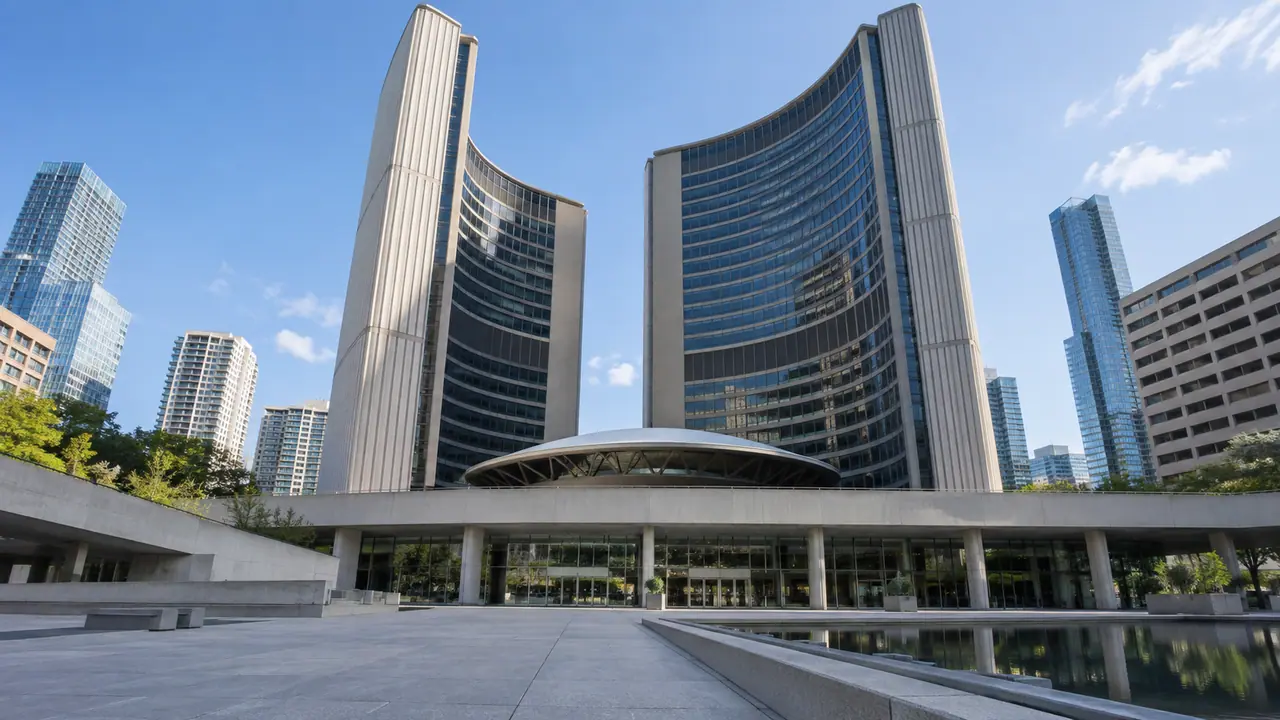

This lawsuit underscores the importance of public consultation in municipal decision-making, which is crucial for maintaining trust and accountability.
In a significant legal move, Safe Neighbourhoods Toronto, a newly formed non-profit, has filed a lawsuit against the City of Toronto, targeting Mayor Olivia Chow, Deputy Mayor Ausma Malik, and Gord Tanner, head of shelter services. The group claims that the city acted unlawfully and in bad faith when deciding the locations for new homeless shelters. The lawsuit specifically addresses a planned shelter at 68 Sheppard Ave. W., arguing that the city failed to properly inform or consult the public about its plans.
Safe Neighbourhoods Toronto is seeking a court injunction to halt the establishment of shelters that allegedly do not meet the criteria set by the city council and is demanding $1 million in damages from the officials involved. Mustafa Bendago, the executive director, expressed that while legal action might seem drastic, it could be necessary to ensure accountability, especially as residents feel their voices are unheard even in elections.
Key Takeaways
Safe Neighbourhoods Toronto sues city officials over shelter locations.
The lawsuit seeks to stop shelters not meeting city-approved criteria.
Residents express frustration over lack of public consultation.
UL Lawyers Insight
This lawsuit highlights the tension between the city's efforts to address homelessness and the residents' concerns about community involvement and compliance with established criteria. For Ontario residents, this case underscores the importance of transparency and public consultation in municipal decision-making. The outcome could set a precedent for how cities across Ontario engage with communities on similar issues.
If you are affected by municipal decisions that seem to bypass proper procedures, understanding your legal options can empower you to challenge potentially unlawful actions.
Action Checklist
What You Should Do
Gather evidence of community impactUrgent
Document any changes or disruptions caused by municipal decisions
Review municipal decision-making processes
Ensure procedures comply with legal requirements
Consult with affected community members
Understand broader concerns and gather support
Consider legal consultation for potential challengesUrgent
Discuss options with a lawyer for challenging municipal actions
Stay informed about local government meetings
Attend sessions to voice concerns and stay engaged
Your Rights and Options
Ontario residents have the right to be informed about and participate in municipal decisions that affect their communities. Under the Municipal Act, municipalities are required to follow specific procedures for public consultation and transparency. If you believe that a decision impacting your community was made unlawfully, you may have the right to challenge it in court. Consulting with litigation lawyers can help you understand the legal frameworks in place and explore your options for seeking a remedy.
Common Questions Answered
How UL Lawyers Can Help
Feeling unheard in your community can be frustrating and stressful. At UL Lawyers, we understand the importance of holding municipal bodies accountable and ensuring your voice is heard. Our team can guide you through the complexities of challenging municipal decisions, ensuring that your rights and interests are protected. Reach out to us for a free consultation to discuss how we can assist with your specific situation.
If municipal decisions are impacting your community, our team can help you understand your rights and options.
About this article:
Summary prepared with AI assistance from the linked source's reporting. Edited by UL Lawyers for Ontario context.
Accompanying images are AI-generated illustrations, not photographs of actual events or persons.
Important Legal Disclaimer
This article provides general information only and does not constitute legal advice. For advice on specific legal issues, please consult a qualified lawyer. Legal outcomes may vary based on individual circumstances.
Source: TheTorontoSun
Named in this article? Request content removal