
Understanding your legal rights as a victim of crime is crucial to ensuring you receive the support and compensation you deserve.
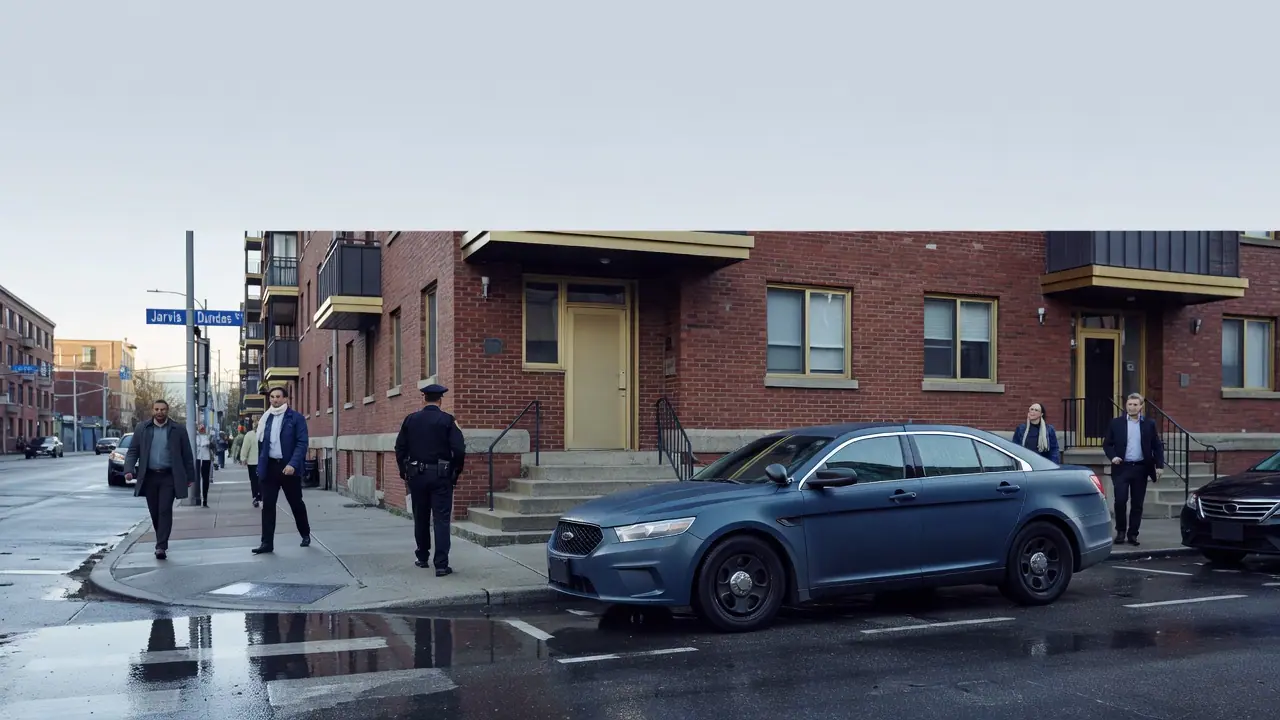
In a concerning series of events, Toronto police responded to a shooting in the Jarvis and Dundas Streets area on the morning of June 20, 2026. A woman was found shot inside an apartment and was quickly transported to the hospital with serious injuries. As of now, no suspect has been identified, and police are urging anyone with information to come forward. Meanwhile, in Brampton, a 34-year-old man was arrested in connection with a series of ATM robberies occurring between March and June near Chinguacousy Road and Queen Street East. Peel Regional Police have charged the suspect, who allegedly targeted victims during their bank withdrawals.
Key Takeaways
A woman was shot in a downtown Toronto apartment.
A man was arrested for ATM robberies in Brampton.
Both incidents highlight regional safety concerns.
UL Lawyers Insight
These incidents underscore the importance of community safety and vigilance in urban areas like Toronto and Brampton. Residents should be aware of their surroundings and report any suspicious activities to local authorities. For the victim in the Toronto shooting, understanding her legal rights is crucial, including potential claims for damages if the perpetrator is found. Similarly, those affected by the Brampton ATM robberies may need to review their rights regarding financial losses.
Seeking legal advice can provide guidance on next steps, whether you're a victim of crime or facing similar safety concerns.
Action Checklist
What You Should Do
Report any witnessed crime to the policeUrgent
Timely reporting can aid in investigations and enhance safety.
Seek medical attention if injuredUrgent
Document all injuries and follow through with treatment.
Document all financial losses
Keep records of any losses incurred due to crime for potential claims.
Consult with a legal professionalUrgent
Understand your rights and potential claims as a victim of crime.
Stay informed about local safety updates
Being aware of community alerts can help you stay safe.
Your Rights and Options
In Ontario, victims of crime have specific rights under the Victims' Bill of Rights, which includes the right to information, protection, participation, and restitution. If you're a victim of a crime like the Toronto shooting or Brampton robberies, you can seek compensation for injuries or losses incurred. It's important to act swiftly, as there may be time limits for filing claims or seeking restitution through the courts.
Consulting with a legal professional can help clarify your rights and any potential claims in such situations.
Common Questions Answered
How UL Lawyers Can Help
If you've been affected by incidents like these, it's understandable to feel overwhelmed and unsure of what to do next. At UL Lawyers, we're here to offer support and guidance. Our team is experienced in navigating legal issues arising from crime-related injuries and losses. We're ready to help you understand your rights and explore your options without any obligation. Contact us for a free consultation to discuss your situation and how we can assist you.
Have you been affected by crime-related incidents? Our legal team can help you understand your rights and explore your options.
About this article:
Summary prepared with AI assistance from the linked source's reporting. Edited by UL Lawyers for Ontario context.
Accompanying images are AI-generated illustrations, not photographs of actual events or persons.
Important Legal Disclaimer
This article provides general information and is not intended as legal advice. For specific guidance, contact a legal professional.
Source: TheTorontoSun
Named in this article? Request content removal