
When the federal government lists a group as a terrorist entity, the legal risks of dealing with that group can change almost overnight, but the Charter still guarantees anyone who is arrested the right to a lawyer and the presumption of innocence.
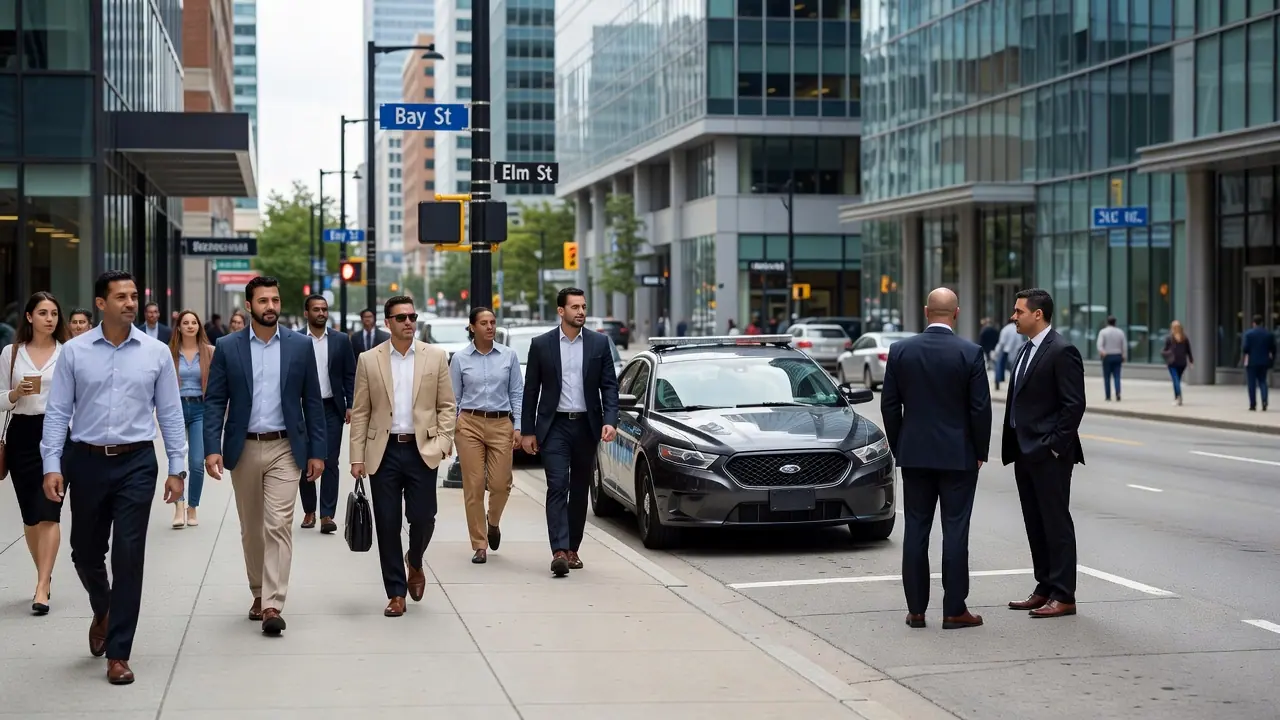
Toronto police say they shut down an event in the city's downtown core on Sunday, November 29, 2026, that they believe was organized by a group recently added to Canada's list of terrorist entities. The event was being held near Bay Street and Elm Street, and police say officers made arrests there.
In a social media post, the Toronto Police Service said its Counter Terrorism Unit carried out the operation with support from two partner teams: the RCMP-led Integrated Provincial Anti-Terrorism Section and the OPP-led Provincial Anti-Terrorism Section. Police described the effort as an operation guided by intelligence and aimed at disrupting the gathering.
According to police, officers ended the event and arrested and identified people who were attending. Police have not said how many people were arrested. They added that officers collected information to help move their ongoing investigation forward. Police have not announced any criminal charges. Instead, the service said it will keep investigating with its law enforcement partners and will seek criminal charges where the evidence supports them.
Investigators allege the event was organized by a group called Masar Badil. On November 23, six days before the Toronto operation, Minister of Public Safety Gary Anandasangaree announced that Masar Badil is being added to the list of terrorist entities under the Criminal Code as an alias for another group, Samidoun. In a news release, Public Safety Canada said there is evidence that the two groups are the same entity, and that Masar Badil operates as a faction or offshoot of Samidoun.
It is important to be clear about where things stand. The police allegation about who organized the event has not been tested in court. Being arrested is not the same as being charged, and anyone who is charged in Canada is presumed innocent unless and until a court decides otherwise. Police have not released details about the people who were arrested.
For residents of Toronto, Mississauga, Brampton and across the GTA, the story shows how quickly a federal listing decision can lead to police action on local streets. Staying informed about important Ontario legal developments like this one can help you understand how changes in the law may touch your own life, from the causes you support to the events you attend.
Key Takeaways
Toronto police say they shut down an event near Bay and Elm streets on Sunday, November 29, 2026
Investigators allege the event was organized by Masar Badil, which the federal government announced on November 23 it is listing as an alias of Samidoun
Police say people in attendance were arrested and identified, but have not said how many
No charges have been announced; police say they will seek charges where the evidence supports them
The allegations have not been tested in court, and anyone charged is presumed innocent
UL Lawyers Insight
When the federal government places a group on the list of terrorist entities, that group is treated as a terrorist group under the Criminal Code. Several Criminal Code offences focus on knowingly taking part in, contributing to, or providing money, property or services to a terrorist group. It also becomes illegal to knowingly deal with property belonging to a listed group, which effectively freezes its assets in Canada.
These rules can reach further than many people expect. Donating, volunteering, sharing resources or helping to organize activities for a listed group can carry serious legal risk, even if the group operated openly before it was listed. For permanent residents and other non-citizens, ties to a listed group can also raise questions about admissibility under Canada's immigration laws.
At the same time, the Canadian Charter of Rights and Freedoms continues to protect freedom of expression and peaceful assembly, subject to reasonable limits set by law. If you want to learn more about how these rights work in everyday situations, our legal resource library is a helpful place to start.
Action Checklist
What You Should Do
Ask to speak with a lawyer if police contact or detain youUrgent
Section 10(b) of the Charter gives you the right to a lawyer without delay when you are detained or arrested
Avoid giving statements before getting legal adviceUrgent
You have the right to remain silent, and anything you say can be used in an investigation
Keep any paperwork police give youUrgent
Release documents, notices or court dates set out conditions and deadlines you must follow
Write down what you remember about any police interactionUrgent
Notes made while details are fresh can help a lawyer review what happened
Check Public Safety Canada's list of terrorist entities before donating or volunteering
Groups can be added to the list, and aliases such as Masar Badil may be included
Get legal advice about any past donations or financial ties to a listed group
Knowingly dealing with property of a listed group is restricted under the Criminal Code
Speak with an immigration lawyer if you are not a Canadian citizen and have concerns
Ties to listed groups can affect admissibility and pending immigration applications
Your Rights and Options
If you are arrested in Ontario, section 10 of the Charter gives you the right to be told promptly why you are being detained and to speak with a lawyer without delay. You also have the right to remain silent, and section 11(d) guarantees the presumption of innocence. In this case, police have said only that people were arrested and identified, and no charges have been announced. If charges are laid, they would generally begin in the Ontario Court of Justice, where the Crown must prove its case beyond a reasonable doubt.
Anyone contacted by police about this event, or with questions about past ties to Samidoun or Masar Badil, should get advice from a criminal defence lawyer before making any statements. For related concerns, such as immigration status or workplace fallout, you can request a consultation with our team.
Common Questions Answered
How UL Lawyers Can Help
Hearing that police have acted at an event in your own city can be unsettling, especially if you are worried about how a new terrorist listing might affect you, your family or your job. You do not have to sort through it alone. Criminal charges should be handled by a criminal defence lawyer, but UL Lawyers can help with related concerns, such as how a listing or investigation may affect your immigration status, your employment, or other civil matters. We will listen carefully, explain your options in plain language, and help you plan your next steps. Reach out for a free, no-pressure consultation.
Worried about how a new terrorist listing or a police investigation might affect your immigration status or job? Our team can talk through your situation and help you understand your options.
Ontario Road Report
One email a week with the road and collision stories we covered in your city and across Ontario.
About this article:
Summary prepared with AI assistance from the linked source's reporting. Edited by UL Lawyers for Ontario context.
Accompanying images are AI-generated illustrations, not photographs of actual events or persons.
Important Legal Disclaimer
This page provides general information about a police operation in Toronto and the federal listing of terrorist entities under the Criminal Code. It is not legal advice, and the police allegations described here have not been tested in court. If you have been arrested, contacted by police, or have concerns about criminal, immigration or employment consequences, please consult a qualified lawyer about your specific circumstances.
Source: CTVToronto
Named in this article? Request content removal