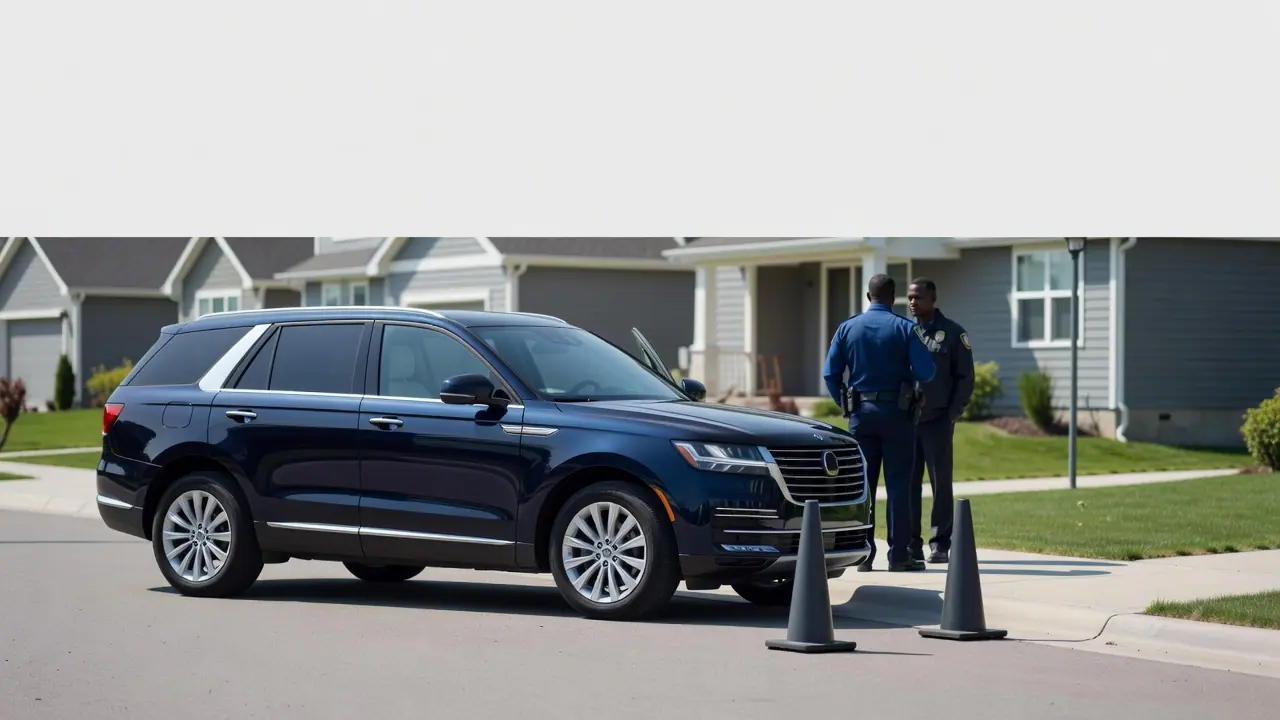

Vehicle thefts, especially those involving violence, highlight the need for robust legal protections and awareness among vehicle owners.
In a significant break for law enforcement, York Regional Police have arrested four individuals connected to a string of violent vehicle thefts across York Region and the Greater Toronto Area. The suspects, linked to organized crime, were apprehended following incidents at Woodbine Avenue and Shields Court in Markham, and later tracked to Trevine Crescent and Westbrook Avenue in Brampton. A fourth suspect was caught in Caledon.
Police recovered stolen vehicles valued at $400,000 and seized a loaded firearm along with controlled substances. These arrests bring relief to communities impacted by the increasing threat of aggressive car thefts.
Key Takeaways
Four arrests made in connection with violent vehicle thefts in GTA.
Incidents involved firearms and occurred in key areas: Markham, Brampton, Caledon.
Community safety and legal awareness are crucial in preventing thefts.
UL Lawyers Insight
For residents in Ontario, especially those around Markham, Brampton, and Caledon, this incident underscores the importance of being aware of rising vehicle theft risks. Not only does it highlight the need for heightened personal safety measures, but it also emphasizes the role of law enforcement and legal systems in protecting community interests. If you've been affected by a motor vehicle accident or theft, understanding your legal rights is crucial.
Our Motor Vehicle Accident Lawyers can help you navigate the complexities of vehicle-related legal issues, ensuring you are informed of your rights and options.
Action Checklist
What You Should Do
Report the theft to the police immediatelyUrgent
A police report is essential for insurance claims
Notify your insurance company about the theftUrgent
Timely reporting is crucial for coverage
Document any damage or lossesUrgent
Photographic evidence supports your claim
Check your insurance policy details
Ensure you understand your coverage limits
Consult with a legal professional
Get advice on your rights and compensation options
Your Rights and Options
Ontario residents affected by vehicle theft or related criminal activity have the right to seek compensation through insurance claims, provided they report the incident promptly and cooperate with law enforcement investigations. The Limitations Act 2002 stipulates a two-year period for initiating claims related to property damage or theft, so it's essential to act swiftly. Ensuring your vehicle insurance covers theft and understanding the specifics of your policy can protect you from financial loss.
If you've suffered a loss due to vehicle theft, consulting with experienced lawyers can help you understand your legal options and secure the compensation you deserve.
Common Questions Answered
How UL Lawyers Can Help
Dealing with the aftermath of a vehicle theft can be overwhelming, especially when it involves violence. At UL Lawyers, we understand the stress and confusion that comes with such incidents. Our team is committed to guiding you through the legal process, ensuring you receive the support and compensation you need. Reach out for a free consultation, and let us help you navigate these challenging circumstances with confidence and clarity.
Concerned about vehicle thefts in your area? Contact UL Lawyers to understand your rights and options.
About this article:
Summary prepared with AI assistance from the linked source's reporting. Edited by UL Lawyers for Ontario context.
Accompanying images are AI-generated illustrations, not photographs of actual events or persons.
Important Legal Disclaimer
This content is for informational purposes only and does not constitute legal advice. For specific legal guidance, please consult with a qualified attorney.
Source: CityNews Toronto
Named in this article? Request content removal