
In Ontario, people who are hurt during a break-in can often pursue civil compensation separately from any criminal case. Because the Limitations Act, 2002 generally sets a two-year deadline, getting advice early helps protect those options.
Hamilton police are investigating an early-morning home invasion in a quiet neighbourhood on Stoney Creek Mountain. The break-in on Friday sent a homeowner to hospital. The Canadian Press reported the incident on November 27, 2026, and it has unsettled an area many families think of as peaceful. Below, our Ontario legal news team explains what police have shared so far and what it means for people who are hurt in their own homes.
According to police, officers were first called to the residence at 5:12 a.m. The homeowner had heard glass breaking on the main floor of the house. Police say at least three people got inside and started damaging the property. When the homeowner tried to step in, police say one of the suspects assaulted them.
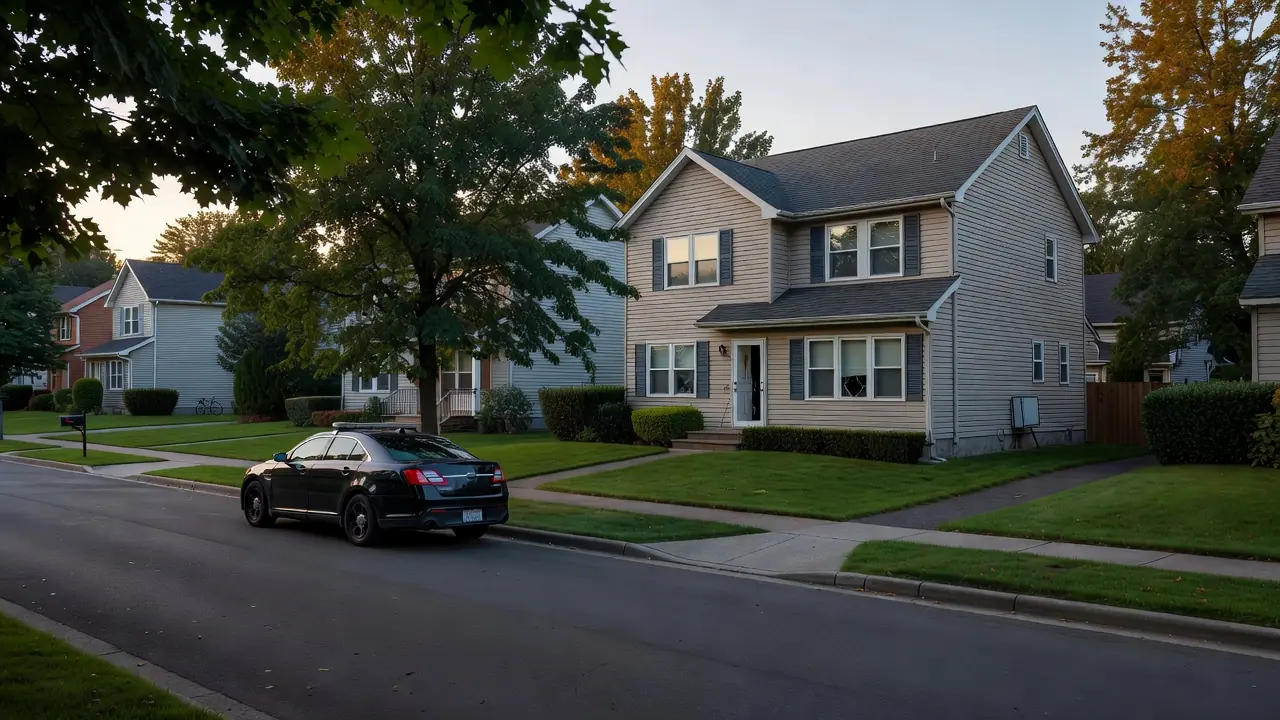
Investigators say the suspects then ran from the home. They were seen leaving in a dark sedan, heading northbound on Centennial Parkway. The homeowner was taken to hospital with injuries that police describe as non-life-threatening.
Police say the investigation is still ongoing. They are asking anyone with information to come forward. Some neighbours were awake around that time, or drove along Centennial Parkway early Friday morning. They may want to think about whether they saw or recorded anything that could help investigators.
The Hamilton incident came just two days after a violent home invasion in Toronto's Casa Loma neighbourhood, in which a beloved local musician died. CP24's related coverage notes two other points. Ontario wants the federal government to clarify what rights home invasion victims have to defend themselves. Police have also said that residents should trust their 'gut instincts' but call 911 first.
The police investigation is only one part of an incident like this. A home invasion also raises practical and legal questions for anyone hurt or left with damage in their own home. These include insurance claims, victim support programs, possible civil claims, and how far the law allows someone to go in defending themselves and their property.
Key Takeaways
Police were called to a home on Stoney Creek Mountain in Hamilton at 5:12 a.m. Friday after the homeowner heard glass breaking on the main floor.
Police say at least three people got inside and began damaging the property, and one suspect allegedly assaulted the homeowner who tried to intervene.
The suspects were seen leaving in a dark sedan heading northbound on Centennial Parkway.
The homeowner was taken to hospital with non-life-threatening injuries, and police say the investigation is ongoing.
Ontarians hurt during a break-in may have insurance, victim-support and civil options, and civil claims are generally subject to a two-year limitation period.
UL Lawyers Insight
A home invasion is first a criminal matter, handled by police and Crown prosecutors. People hurt in their own homes also have separate rights under civil law. In Ontario, someone injured in an assault can sue the person who harmed them. The claim can cover pain and suffering, lost income and property damage, and it runs separately from any criminal case. Our civil litigation lawyers often point out that a civil case uses a lower standard of proof than a criminal trial. Recovering money in practice still depends on identifying the people involved and on whether they can pay.
The recent incidents in Toronto and Hamilton have also put self-defence back in the spotlight. Under the Criminal Code, force used to protect yourself or your property must be reasonable in the circumstances. Related coverage notes that Ontario has asked Ottawa to clarify these rules. Police continue to urge residents to call 911 first. If injuries from a violent incident keep you from working, you may want to look into long-term disability benefits through a workplace plan.
Action Checklist
What You Should Do
Call 911 and get to safety firstUrgent
Police advise residents to call 911 first during a home invasion, and a police report is also key for insurance and victim-support claims.
Get medical attention and keep the recordsUrgent
Even injuries that seem minor should be checked, and medical records support later insurance, benefit or civil claims.
Photograph all property damage before cleaning upUrgent
Photos of broken glass, damaged rooms and missing items help prove your insurance claim.
Save security, doorbell or dashcam footageUrgent
Many systems overwrite footage automatically, so download any recordings and share them with police.
Notify your home insurer promptlyUrgent
Most policies require prompt notice of a loss, and late reporting can complicate your claim.
Contact Victim Services about available support
You may qualify for short-term help such as counselling under Ontario's Victim Quick Response Program+.
Track expenses and missed work
Keep receipts for repairs, medical costs and lost income in case you pursue compensation or benefits.
Get legal advice well before the two-year deadline
Civil claims in Ontario are generally subject to a two-year limitation period under the Limitations Act, 2002.
Your Rights and Options
If you are hurt or your home is damaged in a break-in like the one on Stoney Creek Mountain, you have rights beyond the police investigation. Ontario's Victims' Bill of Rights, 1995 recognizes that victims should be treated with courtesy and kept informed. Through local Victim Services, you may be eligible for short-term help under the province's Victim Quick Response Program+, such as counselling or emergency expenses.
You may also be able to bring a civil claim for your injuries and property damage. Under Ontario's Limitations Act, 2002, you generally have two years to start that claim, starting from when you knew or should have known about it. Insurance deadlines are often much shorter. If you are unsure where to begin, you can request a free consultation to talk through your options.
Common Questions Answered
How UL Lawyers Can Help
Being hurt in the one place you should feel safe can leave you shaken, worried about money, and unsure what comes next. You don't have to sort it out alone. Our team can explain your options in plain language, including possible civil claims, insurance disputes, victim support programs, and income support if your injuries keep you off work. We can help you gather the right records, keep track of key deadlines, and decide what makes sense for your situation. If you'd like to talk it through, we offer a free, no-pressure consultation at a time that works for you.
If you or someone you love has been hurt in a break-in and you're not sure what comes next, we're happy to talk it through. Reach out for a free consultation and get clear answers about your options.
Ontario Road Report
One email a week with the road and collision stories we covered in your city and across Ontario.
About this article:
Summary prepared with AI assistance from the linked source's reporting. Edited by UL Lawyers for Ontario context.
Accompanying images are AI-generated illustrations, not photographs of actual events or persons.
Important Legal Disclaimer
This page provides general information about a police investigation in Hamilton and about the rights of people hurt or affected by home invasions in Ontario. It is not legal advice. The incident described remains under investigation, and the details come from police statements reported by the media. Self-defence, insurance, victim-support and civil claims all depend on specific facts, so please speak with a lawyer about your own situation.
Source: CP24
Named in this article? Request content removal