
When someone is hurt in a violent crime in Ontario, the criminal case and the victim's own right to seek compensation are separate tracks. Victims should keep their medical and financial records from day one, because that evidence can matter long after the police investigation ends.
Durham Regional Police are searching for a man after a 77-year-old woman was assaulted and robbed of cash in Oshawa on Thursday morning, November 26, 2026, according to police.
Officers were called to the area of King Street East and Mary Street North at around 9:50 a.m. In a news release, police said the woman had recently left a local bank when a man she did not know approached her. Police say the man assaulted her and took the cash she had just withdrawn from the bank.
According to police, the man ran from the area on foot before officers arrived. The woman was treated at a local hospital for serious injuries. Police have not shared further details about her injuries or her current condition.
Police describe the suspect as a white man, about 20 years old, standing roughly five foot six to five foot seven, with facial hair. When he was last seen, he was wearing a white puffy winter jacket, a grey sweatshirt and black pants, and he was carrying a black backpack or satchel. Durham Regional Police have released an image of the man they are trying to identify.
Police are asking anyone who has information about the incident to contact Durham Regional Police. As of the police update, officers were still working to identify the suspect. No arrest or charges have been reported, and the allegations described by police have not been tested in court.
Beyond the criminal investigation, incidents like this raise practical questions for victims and their families: who pays for recovery costs, what support exists for people hurt in a violent crime, and whether there are civil legal options for getting compensation. These are the kinds of broad legal issues our UL Lawyers legal team follows closely, because they affect seniors and families across Oshawa, Durham Region and the Greater Toronto Area. Understanding the basics now can make a stressful time a little easier to navigate.
Key Takeaways
Police say a 77-year-old woman was assaulted and robbed of cash near King Street East and Mary Street North in Oshawa around 9:50 a.m. Thursday.
The woman had recently left a local bank and was treated at a local hospital for serious injuries, according to police.
The suspect fled on foot and is described as a white man, about 20, roughly five foot six to five foot seven, with facial hair.
No arrest or charges have been reported; Durham Regional Police are asking anyone with information to come forward.
Victims of violent crime in Ontario may have civil options, generally subject to a two-year limitation period under the Limitations Act, 2002.
UL Lawyers Insight
In Ontario, a criminal investigation and a civil claim are two separate paths. Police and the Crown decide whether to lay and pursue criminal charges. A person who is hurt in an assault may also have the right to bring a civil lawsuit against the person who hurt them, asking for money to cover things like pain and suffering, medical and rehabilitation costs, and stolen property. A civil case uses a lower standard of proof than a criminal trial, so it can sometimes move forward even when a criminal case does not end in a conviction.
The biggest practical hurdle is often identifying the other party and whether they have the means to pay. That is why it can help to speak with experienced civil litigation lawyers early, so evidence is preserved and deadlines are not missed. For older adults, serious injuries can also lead to longer recovery times, higher care costs and lost independence. Those are all factors that matter when calculating compensation, and they are worth documenting from the very beginning.
Action Checklist
What You Should Do
Get medical care and attend all follow-up appointmentsUrgent
Prompt treatment protects your health and creates a medical record of your injuries.
Report the incident to police and keep the occurrence numberUrgent
The occurrence number is often needed for victim support programs, insurance and any civil claim.
Contact your local victim services agencyUrgent
Ask about the Victim Quick Response Program+ (VQRP+) and other short-term supports for victims of violent crime.
Keep your bank withdrawal record and all receipts
These help prove how much money was taken and what the incident has cost you.
Write down what you remember as soon as you canUrgent
Note the time, the location and a description of the person while the details are fresh.
Check your home or tenant insurance policy
Some policies offer limited coverage for stolen money or personal property away from home.
Speak with a lawyer about civil options before the deadline
Most civil claims in Ontario must be started within two years under the Limitations Act, 2002.
Plan safer banking routines for seniors
Consider bringing a companion, using debit or card payments, or asking bank staff for help with large withdrawals.
Your Rights and Options
If you are hurt in a street assault or robbery like the one police describe near King Street East and Mary Street North, Ontario law gives you rights beyond the criminal process. Under Ontario's Victims' Bill of Rights, 1995, victims should be treated with courtesy and can ask to be kept informed about the investigation. You may also be able to get short-term financial help through the Victim Quick Response Program+ (VQRP+), which is accessed through local victim services agencies.
If you want to sue the person who hurt you, the Limitations Act, 2002 generally gives you two years to start a claim, with some exceptions. Keep your bank withdrawal record, hospital records and police occurrence number, since these help prove your losses. A short free consultation with a lawyer can help you understand whether a civil claim makes sense in your situation.
Common Questions Answered
How UL Lawyers Can Help
Being hurt and robbed, or watching it happen to a parent or grandparent, is frightening and exhausting. On top of the physical recovery, you may be dealing with medical bills, lost money and a lot of uncertainty about what comes next. At UL Lawyers, we take the time to listen, explain your options in plain language and help you sort out which supports and claims may be available to you. We can help you organize your records, keep track of important deadlines and decide whether a civil claim is worth pursuing. If you have questions, we offer a free, no-pressure consultation to talk things through.
If you or a loved one has been hurt in a crime and you are unsure what support or compensation might be available, we are happy to talk it through with you in a free consultation.
Ontario Road Report
One email a week with the road and collision stories we covered in your city and across Ontario.
About this article:
Summary prepared with AI assistance from the linked source's reporting. Edited by UL Lawyers for Ontario context.
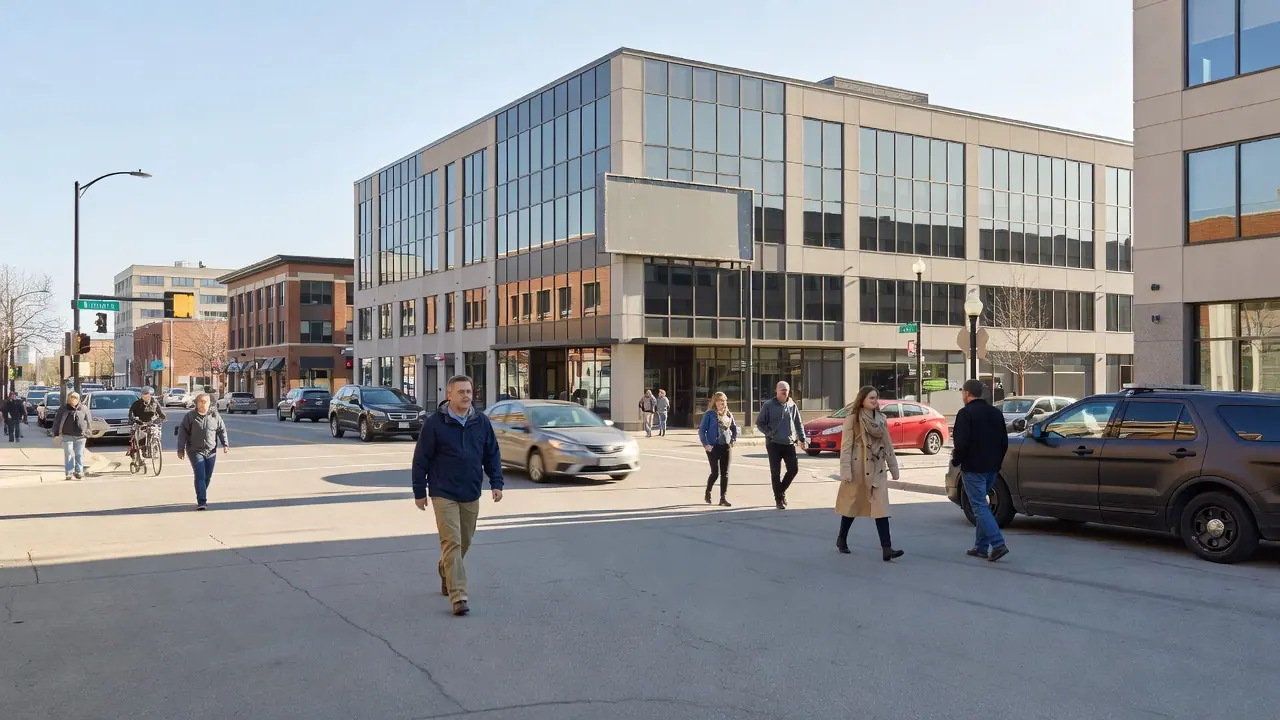
Accompanying images are AI-generated illustrations, not photographs of actual events or persons.
Important Legal Disclaimer
This page summarizes a police account of an ongoing investigation in Oshawa and provides general information only. It is not legal advice. No arrest or charges have been reported, and the allegations have not been tested in court. Victim support programs, insurance coverage and limitation periods depend on individual circumstances, so please speak with a qualified Ontario lawyer about your specific situation.
Source: CityNewsTO
Named in this article? Request content removal