
When someone is injured in a violent incident, the criminal investigation and the injured person's own legal rights run on separate tracks. Keeping medical records, noting dates and getting advice early can protect options that might otherwise be lost to a limitation deadline.
Toronto police have released images of three men they are trying to identify after what investigators describe as an assault with a weapon on a TTC subway train approaching Sheppard-Yonge Station. Police say the person targeted was injured, and they are now asking the public for help putting names to the faces in the photos. The incident is a reminder of how quickly a routine commute can become a situation with lasting consequences, and that there are legal options for victims in Ontario.
According to police, officers were called to Sheppard-Yonge TTC Station, near Sheppard Avenue East and Yonge Street, at about 4:10 p.m. on Monday, November 16, 2026, after reports of an assault. Investigators say the victim was travelling northbound on a TTC train approaching the station when an altercation broke out with three men.
Police allege that during the confrontation, the victim was assaulted with a weapon and suffered injuries. The information released by police so far does not describe the type of weapon or how serious the injuries are. Police say the three men then fled Sheppard-Yonge Station.
Investigators have shared descriptions of all three men. The first is described as a man in his 20s with a medium build, short curly black hair and a moustache. He was last seen wearing a black hoodie with "Red Bull" written across the chest and black pants. The second is described as a man in his 20s with a tall, slim build, long curly afro-style hair and a moustache. He was wearing a blue hoodie under a black jacket, along with white-and-blue washed jeans. The third is described as a man in his 20s with a medium build, wearing a red-and-blue winter jacket and dark pants.
Toronto police released the images in the hope that someone in the public will recognize the men. Anyone with information about the incident is being asked to contact Toronto police. No one has been publicly identified, and the allegations have not been tested in court.
Key Takeaways
Police say officers were called to Sheppard-Yonge Station, near Sheppard Avenue East and Yonge Street, at about 4:10 p.m. on Monday, November 16, 2026
Investigators allege the victim was assaulted with a weapon during an altercation with three men on a northbound TTC train and was injured
Police say the three men fled the station; images and descriptions have been released to help identify them
No one has been publicly identified, and the allegations have not been tested in court
Victims of violent crime in Ontario may have civil and support options separate from the criminal process, generally subject to a two-year limitation period
UL Lawyers Insight
For Toronto transit riders, this story raises an important point: when someone is hurt in a violent incident, the police investigation is only one part of the picture. A criminal case is about whether the state can hold someone accountable. It does not, on its own, pay a victim's medical costs, lost income or other losses.
In Ontario, a person injured in an assault may be able to bring a separate civil claim for compensation. A civil case uses a lower standard than a criminal trial and can move forward on its own track, and our civil litigation lawyers can explain how that process works. Victims may also qualify for short-term provincial supports through Victim Services.
Every situation is different, and the right path depends on the facts, the evidence and whether the people involved can be identified. Our legal resource library has more plain-language information on protecting your rights after an injury.
Action Checklist
What You Should Do
Get medical care and keep every recordUrgent
Hospital, doctor and pharmacy records document your injuries and are key evidence for any civil claim or support application.
Report the incident to police and keep the occurrence numberUrgent
The report number links your claim or support application to the police investigation.
Write down your account while it is freshUrgent
Note the time, train direction, station, what you saw and any descriptions while details are clear in your memory.
Preserve physical and digital evidenceUrgent
Keep photos of injuries, damaged clothing, any phone video and your PRESTO trip history showing when and where you travelled.
Ask about Victim Services and the VQRP+ program
Short-term supports like counselling may be available, but eligibility rules and time limits apply, so ask early.
Track the two-year limitation period
Most civil claims in Ontario must generally be started within two years under the Limitations Act, 2002.
Avoid discussing the incident or naming people online
Social media posts can affect the investigation and your own legal claim.
Speak with a lawyer before giving statements to insurers
A lawyer can help you understand what to say and protect the value of any claim.
Your Rights and Options
If you are hurt in an assault on public transit, as police allege happened aboard this northbound train, you have rights beyond the police investigation. Ontario's Victims' Bill of Rights, 1995 sets out principles for how victims should be treated in the justice system, including access to information about the case. You may also be able to apply for short-term help through the Victim Quick Response Program+ (VQRP+), offered through Victim Services.
If you want to seek compensation through a civil lawsuit, timing matters. Under Ontario's Limitations Act, 2002, most claims must generally be started within two years of when you knew, or should have known, about the injury and who was involved. Some exceptions apply, so getting advice early is wise. To understand your options, you can request a free consultation with our team.
Common Questions Answered
How UL Lawyers Can Help
Being hurt in a sudden act of violence can leave you shaken, in pain and unsure where to turn, especially while a police investigation is still underway. You do not have to sort through it alone. At UL Lawyers, we listen to what happened, explain your options in plain language and help you understand whether a civil claim or victim support program may be available to you. We can help you gather the right records, track deadlines and deal with insurers. If you or someone you love has been injured, reach out for a free, no-pressure consultation.
If you or someone you love was hurt in a violent incident on transit or anywhere in the GTA, we are here to help you understand your options. Reach out for a free, no-pressure conversation with our team.
Ontario Road Report
One email a week with the road and collision stories we covered in your city and across Ontario.
About this article:
Summary prepared with AI assistance from the linked source's reporting. Edited by UL Lawyers for Ontario context.
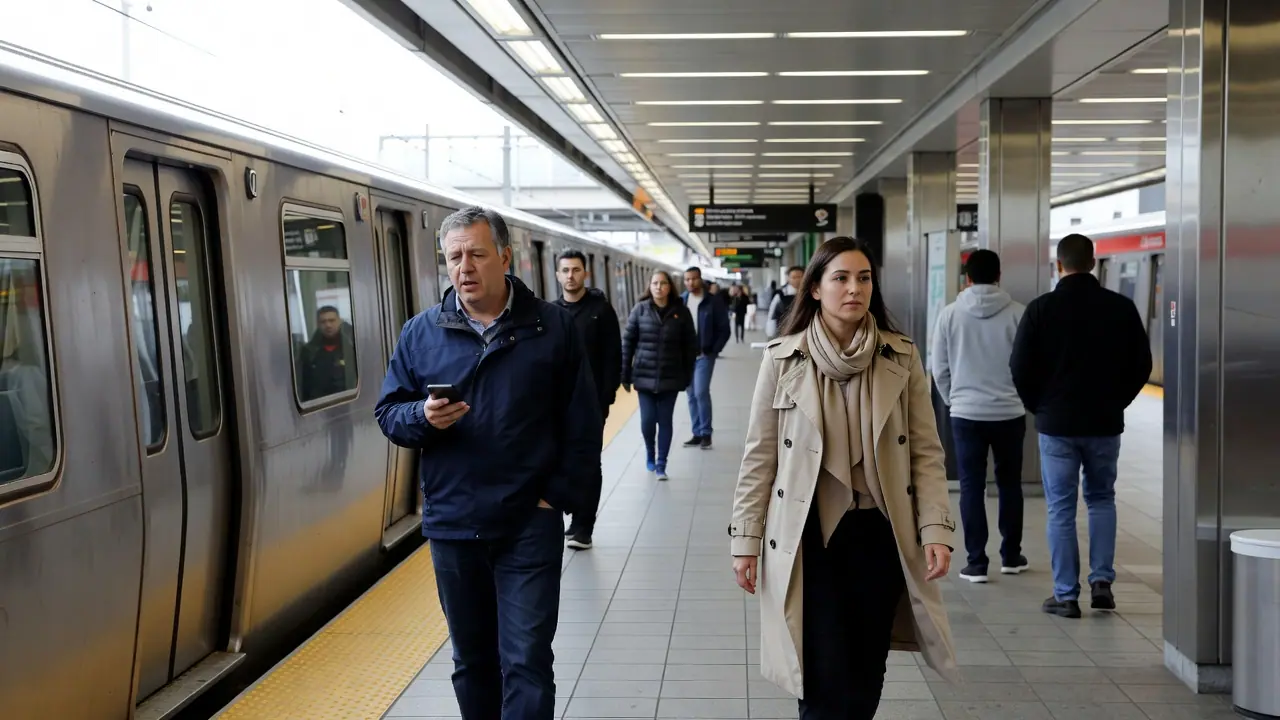
Accompanying images are AI-generated illustrations, not photographs of actual events or persons.
Important Legal Disclaimer
This page summarizes publicly reported information about an ongoing Toronto police investigation into an alleged assault on a TTC train near Sheppard-Yonge Station. The allegations have not been tested in court, and anyone accused of a crime is presumed innocent. The information on this page is general and is not legal advice. Rights and deadlines for victims of violent crime depend on individual circumstances, so please speak with a qualified Ontario lawyer about your specific situation.
Source: CityNewsTO
Named in this article? Request content removal