
In any Ontario criminal trial, the jury decides the case only on the evidence tested in the courtroom, and the accused remains presumed innocent throughout. Families of victims often don't realize they also have separate civil and estate options, and those come with their own deadlines.
A young woman's account of a late-night shooting outside her mother's home in Scarborough was the first testimony a jury heard this week as a first-degree murder trial got underway. Cases like this show how criminal trials unfold and how victims' families are involved, which is why our Ontario legal team follows them closely.
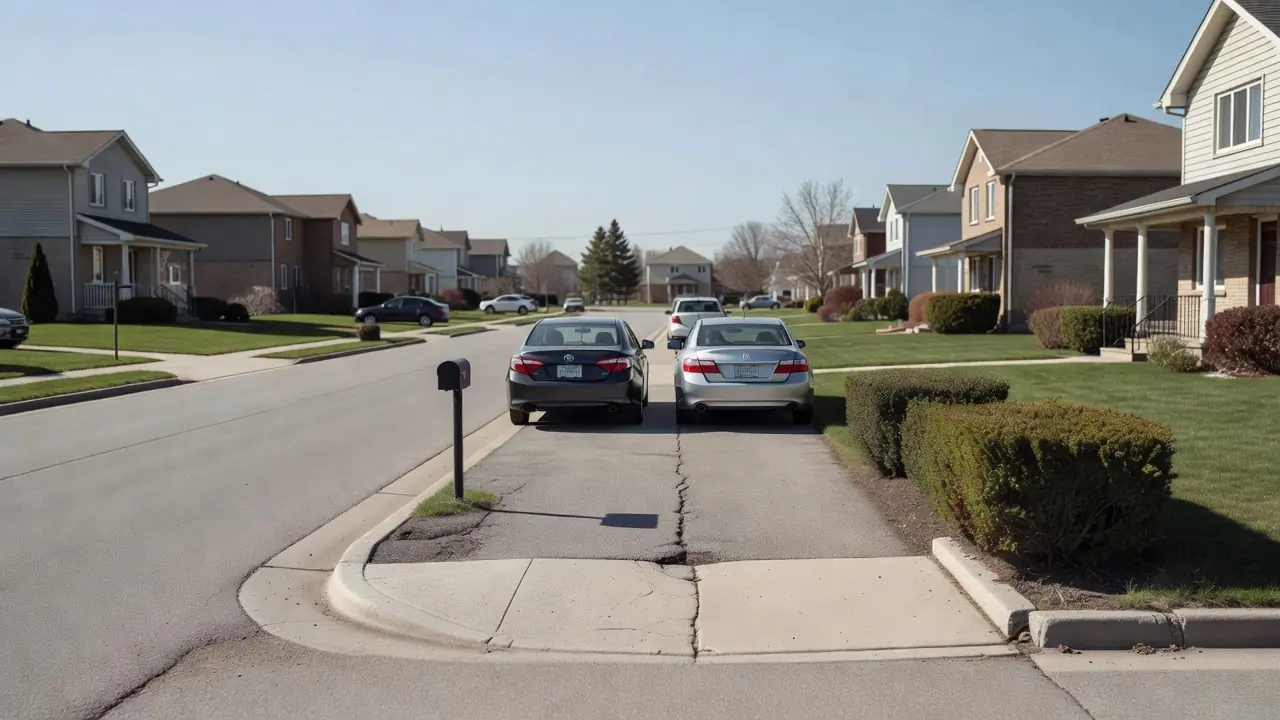
The sister testified about the late evening of Sept. 24, 2023. She said her 21-year-old brother had just finished helping her move, and the two reversed into their mother's driveway on Danzig Street. Her brother got out of his car. As she was about to do the same, she heard what she thought were fireworks and saw a spark. She pulled back into the vehicle and realized her brother had locked the doors. When she looked up, she said, she saw someone in front of the car shooting toward her.
She told the jury the person was about 50 feet away and kept shooting in her direction while running backwards. She could not see the person's face and said they wore dark clothing. After the shooters fled, she climbed out through the driver's side, which set off the car alarm. She found her brother on the ground and pressed on a gunshot wound near his shoulder, telling him she was there to help. He had also been shot in the head, and he died in hospital about two weeks later. Under questioning by Crown attorney Laura Petryshen, she said she has no idea why anyone would want to kill her brother, and she described him as an extremely humble person.
The accused, a 21-year-old man, is charged with first-degree murder in the brother's death and with the attempted murder of the sister. The Crown alleges he was one of four shooters who came to the house that night. In her opening address, Crown attorney Maureen Pecknold warned jurors they will see disturbing evidence. That evidence includes brief doorbell camera footage that she said starts in silence before a series of very loud bangs.
Pecknold described what the Crown expects the jury to hear. She said the accused went to the emergency room at Markham Stouffville Hospital that night with a gunshot wound to the shoulder and told staff he had been hit in a random drive-by shooting. According to the Crown, police found no reports of any other shooting that night in Markham or anywhere else in the GTA, apart from the one on Danzig Street. The jury is also expected to hear that the accused's DNA was linked to several shell casings found at the scene. The Crown says police tracked a red Honda Civic that left the scene and drove to Markham, where it stopped near the hospital shortly before he arrived. Early the next morning, York police reportedly found the car on fire in a remote location. Once the fire was out, a black balaclava was recovered from the back seat, and the jury is expected to hear it was also linked to his DNA.
The accused is represented by defence lawyers Craig Zeeh and Allana Scott. He watched from the prisoner's box in a dark blue blazer while several of the victim's family members sat in the public gallery. The trial continues. No verdict has been reached, and the accused is presumed innocent unless the Crown establishes its case beyond a reasonable doubt.
Key Takeaways
A sister testified as the Crown's first witness about a late-night shooting in her mother's driveway on Danzig Street in Scarborough on Sept. 24, 2023.
Her 21-year-old brother was shot in the shoulder area and the head and died in hospital about two weeks later.
A 21-year-old man is charged with first-degree murder and attempted murder, and the Crown alleges he was one of four shooters.
The Crown told the jury it expects to present doorbell camera footage, hospital records from Markham Stouffville Hospital, DNA evidence and evidence about a burned red Honda Civic.
The trial continues, no verdict has been reached, and the accused is presumed innocent.
UL Lawyers Insight
For Ontario residents, this trial is a reminder of how the criminal process works. A Crown attorney's opening address is a roadmap of what the prosecution expects to show. It is not evidence. Witnesses can be cross-examined by the defence, and only the jury decides whether the Crown has met the high standard of proof beyond a reasonable doubt. Until then, every accused person is presumed innocent.
The case also highlights the role of victims' families. In Ontario, families of homicide victims have rights to information, protection and participation under the Canadian Victims Bill of Rights and Ontario's Victims' Bill of Rights, 1995. If there is a conviction, they may also present a victim impact statement at sentencing.
A criminal case is separate from any civil claim. In Ontario, families who lose a loved one to violence may be able to pursue a wrongful death claim, which is decided on a lower standard of proof. Speaking with experienced civil litigation lawyers can help families understand those options. Our legal resource library offers further reading on related topics.
Action Checklist
What You Should Do
Connect with Ontario's Victim/Witness Assistance ProgramUrgent
Staff can explain court procedures, provide case updates and support family members attending trial
Ask about the Victim Quick Response Program+Urgent
This program may help cover immediate costs like funeral expenses and counselling, and it has application timelines
Keep records of all expenses and lost income
Save receipts for funeral, travel, counselling and time off work in case of a future civil claim
Speak with a lawyer about civil claim deadlinesUrgent
The Limitations Act, 2002 generally sets a two-year deadline, which runs separately from the criminal trial
Address your loved one's estate
Find out whether there is a will and whether someone needs to apply to be estate trustee
Consider preparing a victim impact statement
If there is a conviction, families may share how the loss has affected them at sentencing
Seek emotional support and counselling
Following a murder trial can be traumatic, and victim services can refer families to grief supports
Your Rights and Options
If a family member is harmed or killed in a violent crime in Ontario, you have rights during the criminal case. Ontario's Victims' Bill of Rights, 1995 and the federal Canadian Victims Bill of Rights give you the right to information about the case, to protection, and to have your views considered, including through a victim impact statement if there is a conviction. Ontario's Victim Quick Response Program+ may also help with immediate costs such as funeral expenses and counselling.
Separately, under Ontario's Family Law Act, certain family members may be able to bring a civil claim for losses such as care, guidance and companionship. Under the Limitations Act, 2002, the general deadline to start a claim is two years, so getting advice early matters. If you are unsure where to begin, you can request a free consultation to discuss your situation.
Common Questions Answered
How UL Lawyers Can Help
Losing someone to sudden violence is devastating, and following a criminal trial while grieving can feel overwhelming. You should not have to work through the legal side of that loss alone. UL Lawyers can explain in plain language how a civil claim works alongside a criminal case and what compensation may be available to your family. We can also help you deal with practical matters such as a loved one's estate, and we will point you to victim support programs. If you have questions, we offer a free, no-pressure consultation to talk through your options at a pace that feels right for you.
If your family has been affected by a violent crime and you're unsure about your civil or estate options, we're here to listen. Reach out for a free consultation to talk through your next steps.
Ontario Road Report
One email a week with the road and collision stories we covered in your city and across Ontario.
About this article:
Summary prepared with AI assistance from the linked source's reporting. Edited by UL Lawyers for Ontario context.
Accompanying images are AI-generated illustrations, not photographs of actual events or persons.
Important Legal Disclaimer
This page provides general information about an ongoing criminal trial based on news reporting and is not legal advice. The accused is presumed innocent, the allegations described have not been decided by the jury, and UL Lawyers does not represent any party in this case. Rights and options for victims' families depend on individual circumstances and strict deadlines, so please consult a lawyer about your specific situation.
Source: TorontoStar
Named in this article? Request content removal