
These tragic incidents underscore the necessity for effective crime prevention strategies and thorough investigative procedures by law enforcement.
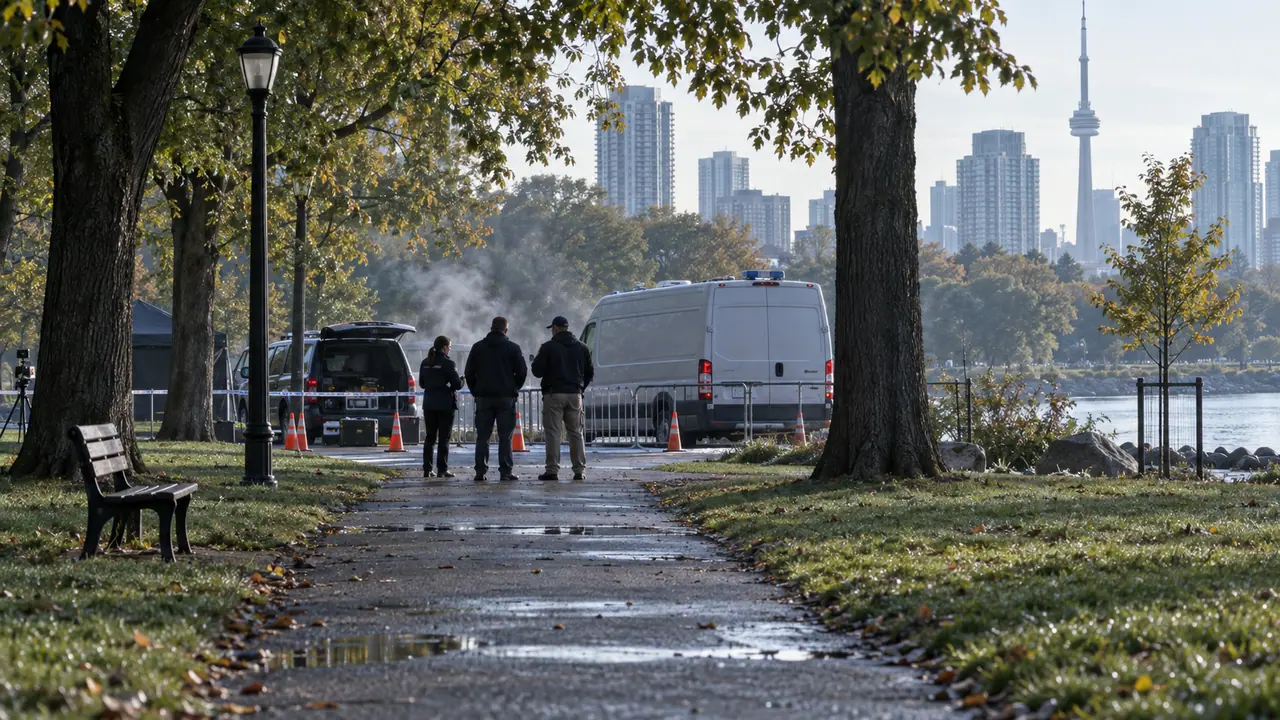
In a troubling development, Toronto police have identified the second victim in a pair of burning vehicle homicides that occurred last week. Mohamud Kheyre, 30, was found deceased in a stolen vehicle that had been set ablaze at James Garden Park in Etobicoke at 12:55 a.m. on September 22. Just 90 minutes earlier, authorities discovered Marcus Charles, 32, dead in a burning rental car near Reesor Road and Steeles Avenue East in Scarborough.
According to police, both victims were shot before their bodies were burned. The challenging condition of the bodies initially delayed identification, requiring DNA analysis for confirmation. These incidents mark Toronto's 27th and 28th homicides of the year, raising significant public safety concerns and highlighting the complexity of such investigations. UL Lawyers Legal Team stays informed on such cases to help clients understand their implications.
Key Takeaways
Two homicides involved burning vehicles in different Toronto locations.
Victims were shot before their bodies were set on fire.
Incidents highlight the need for effective public safety measures.
UL Lawyers Insight
For residents in Ontario, particularly in the Greater Toronto Area, these incidents highlight the importance of public safety and effective law enforcement responses. The fact that these homicides occurred in different parts of the city within a relatively short timeframe underscores the potential challenges in crime prevention and the need for robust investigative processes. If similar situations arise, understanding how law enforcement proceeds with crime scene investigations and victim identification can be crucial for community awareness and safety.
Moreover, these cases may influence public policy concerning crime prevention measures and resource allocation for law enforcement agencies.
Action Checklist
What You Should Do
Stay informed about local crime trends
Regularly check updates from law enforcement to understand potential risks.
Report suspicious activities to authoritiesUrgent
Prompt reporting can help prevent crime and aid investigations.
Know your rights regarding public information
Understand your ability to request crime data and police records.
Engage with community safety programs
Participate in local initiatives to enhance neighborhood security.
Consult legal experts for safety-related concerns
Legal advice can clarify your rights and the steps you can take if affected by crime.
Your Rights and Options
Despite the concerning nature of these events, it's important to remember that public safety is a shared responsibility. Residents have the right to feel secure in their communities, and part of that involves staying informed about local crime trends and preventative measures. Law enforcement agencies have a duty to conduct thorough investigations and keep the public informed of any risks or developments. By understanding your rights under the Municipal Freedom of Information and Protection of Privacy Act, you can request information about local crime statistics and police responses to ensure community safety.
If you or someone you know is affected by a violent crime, there are resources available to offer support and assistance. Victim services organizations can provide guidance and help understand legal processes. Additionally, seeking legal advice can help you navigate your rights and options in relation to safety concerns or if you are a witness to a crime. Connect with our legal team to discuss your rights and available support.
Common Questions Answered
How UL Lawyers Can Help
This article is commentary, not advice on your file. If the situation is yours in Toronto, call 905-744-8888 or email info@ullaw.ca and we will tell you whether a consult makes sense.
Have questions about your safety rights or need legal guidance? Our team is here to help you navigate these concerns.
About this article:
Summary prepared with AI assistance from the linked source's reporting. Edited by UL Lawyers for Ontario context.
Accompanying images are AI-generated illustrations, not photographs of actual events or persons.
Important Legal Disclaimer
This article is for informational purposes only and does not constitute legal advice. Readers should consult with legal professionals for specific guidance related to their situation.
Source: TorontoStar
Named in this article? Request content removal