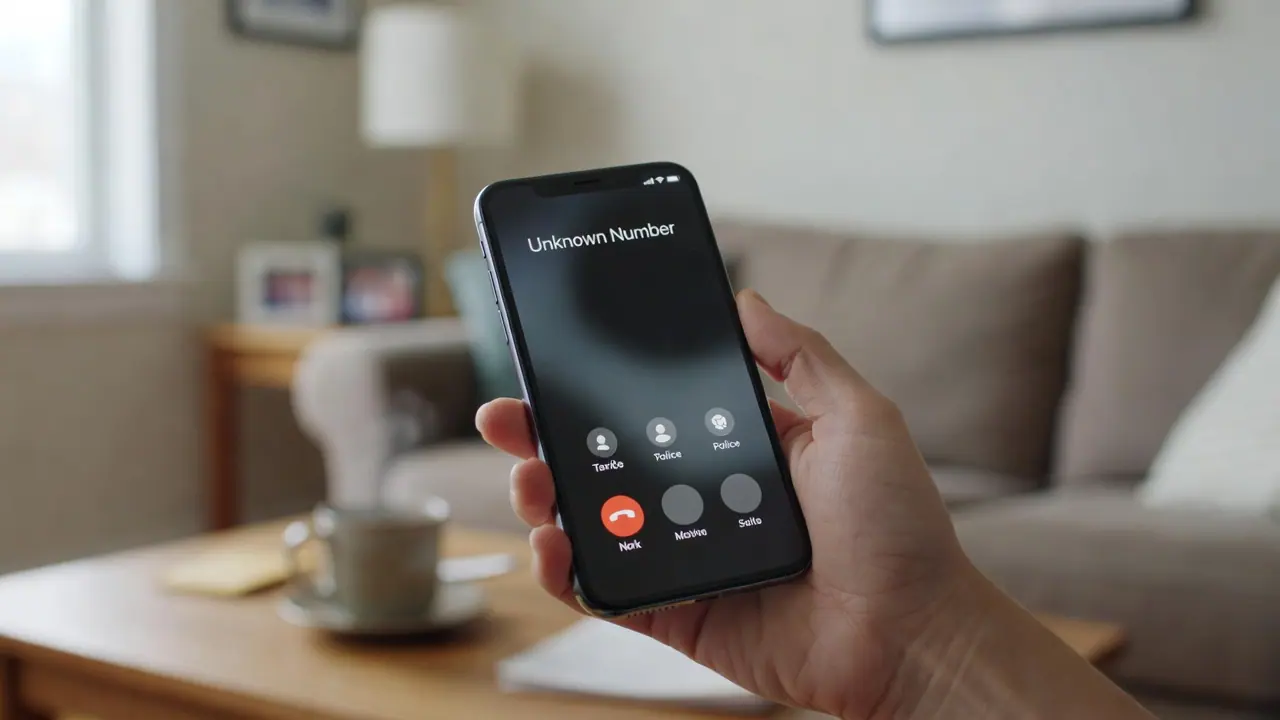

Legitimate government agencies and police services have proper legal channels for contacting people, and they do not need your banking details over an unexpected phone call. When a call combines official titles with urgent threats, the safest legal step is to hang up and verify independently before sharing anything.
Toronto Police are warning residents about a number of phone calls aimed at members of Toronto's Chinese community. In these calls, people pretend to be tax agents and police officers. Police describe the calls as part of a suspected fraud scheme, in which individuals try to get victims' personal and financial information under false pretences. The warning was reported by the Toronto Sun on November 24, 2026, after police explained on Tuesday how the scheme usually unfolds. Our UL Lawyers legal team is sharing the details so families across the GTA know what to watch for.
According to what was reported to authorities, the scheme starts with a phone call to a resident. The caller first claims to be a representative of the Canada Revenue Agency (CRA). The caller then transfers the resident to a second person, who claims to be a member of the Shanghai police and gives a false name and a badge number to seem official.
Police say this second person claims to be investigating alleged criminal activity in China that involves the resident. The suspect then asks for the resident's personal banking information. The suspect says the information is needed to prevent or resolve the alleged criminal activity. Police said in a news release that investigators believe the suspects are trying to obtain sensitive personal and financial information for fraudulent purposes.
Police gave the public several pieces of advice. If you get a call like this, hang up. Then contact police yourself using an official, publicly listed phone number to check whether the caller was real. Police also urged residents never to share personal, banking or financial details with unknown people over the phone. They said to be wary of any unsolicited call that threatens criminal charges, mentions an investigation, or demands immediate action. Police stressed that their officers will never ask for your personal banking information over the phone.
This warning comes from Toronto Police, but the tactics it describes can reach anyone with a phone. That includes residents in Mississauga, Brampton and across the Greater Toronto Area. Calls that combine a government agency, a foreign police force and an urgent threat are designed to create fear and rush people into acting. Knowing the pattern ahead of time is one of the best ways to protect your personal and financial information.
Key Takeaways
Toronto Police say callers are pretending to be CRA staff and then Shanghai police officers in a suspected fraud scheme targeting Toronto's Chinese community.
The fake officer allegedly claims the resident is linked to criminal activity in China and asks for banking details to resolve it.
Police say their officers will never ask for your personal banking information over the phone.
Hang up and call police back using an official, publicly listed number to check a caller's identity.
Be suspicious of any unsolicited call that threatens charges, mentions an investigation or demands immediate action.
UL Lawyers Insight
For Ontario residents, this warning is a reminder that a caller's claimed authority does not prove who they are. A name, a badge number or a call transfer between "agencies" can all be invented. Under Canadian law, impersonating a police officer and obtaining money or information by deception can be criminal matters for police to investigate. If someone tricks you into handing over money, though, getting it back is usually a separate process involving your bank and, sometimes, the civil courts.
The pattern police describe matters too: a tax call, then a foreign police officer, then a threat of criminal trouble. It targets people's fear of legal consequences, especially consequences in another country. Talking calmly with a family member or a trusted professional before you act can stop the scheme in its tracks. Our legal resource library has more plain-language guidance on protecting yourself. If you have already lost money, experienced litigation lawyers can explain whether any civil recovery options may be available in your situation.
Action Checklist
What You Should Do
Hang up on any unsolicited call asking for banking or personal informationUrgent
Police say officers will never request your personal banking information over the phone.
Verify the caller using an official, publicly listed phone numberUrgent
Call the police or the CRA directly; never use a number or transfer the caller provides.
Contact your bank immediately if you shared financial detailsUrgent
Quick action may help block or flag suspicious transactions on your accounts.
Report the call to police and the Canadian Anti-Fraud CentreUrgent
Reports help investigators track the scheme and warn others in the community.
Write down details of the call
Record the date, time, phone number, names and badge numbers given, and what was asked.
Share the warning signs with family and friends, especially older relatives
Threats of charges, talk of investigations and demands for immediate action are red flags.
Get legal advice if you lost money
Ontario's two-year limitation period generally applies to civil claims, so don't wait too long to explore recovery options.
Your Rights and Options
If you receive a call like the ones Toronto Police describe, you have no obligation to stay on the line, confirm your identity or share any banking information. You have every right to hang up and check independently. Call the police or the CRA using numbers from their official websites, not numbers the caller gives you. If you shared information or sent money, contact your bank right away and report what happened to police. You can also report it to the Canadian Anti-Fraud Centre.
If you lost money, you may have options beyond a police report. These could include disputing transactions with your financial institution or, in some cases, bringing a civil claim. Under Ontario's Limitations Act, 2002, most civil claims must generally be started within two years of when you discovered the loss, so timing matters. To understand which options may apply to you, you can request a free consultation with our team.
Common Questions Answered
How UL Lawyers Can Help
Getting a call that claims you are linked to a criminal investigation, especially one overseas, can be frightening. Finding out afterwards that it may have been a scheme can leave you feeling shaken and unsure what to do next. You are not alone, and you have nothing to be embarrassed about. At UL Lawyers, we listen to what happened and explain your options in plain language. We can help you understand the next steps for protecting your finances and, where possible, pursuing recovery. If you have questions, reach out for a free, no-pressure consultation.
Received a suspicious call or lost money to someone posing as a government official? Our team is happy to talk through your options with you, at no cost.
Ontario Road Report
One email a week with the road and collision stories we covered in your city and across Ontario.
About this article:
Summary prepared with AI assistance from the linked source's reporting. Edited by UL Lawyers for Ontario context.
Accompanying images are AI-generated illustrations, not photographs of actual events or persons.
Important Legal Disclaimer
This page provides general information about a public safety warning issued by Toronto Police and is not legal advice. The details described are based on police statements about a suspected fraud scheme, and the allegations have not been tested in court. If you believe you have been targeted or have lost money, contact your bank and local police, and consult a lawyer about your specific situation.
Source: TheTorontoSun
Named in this article? Request content removal