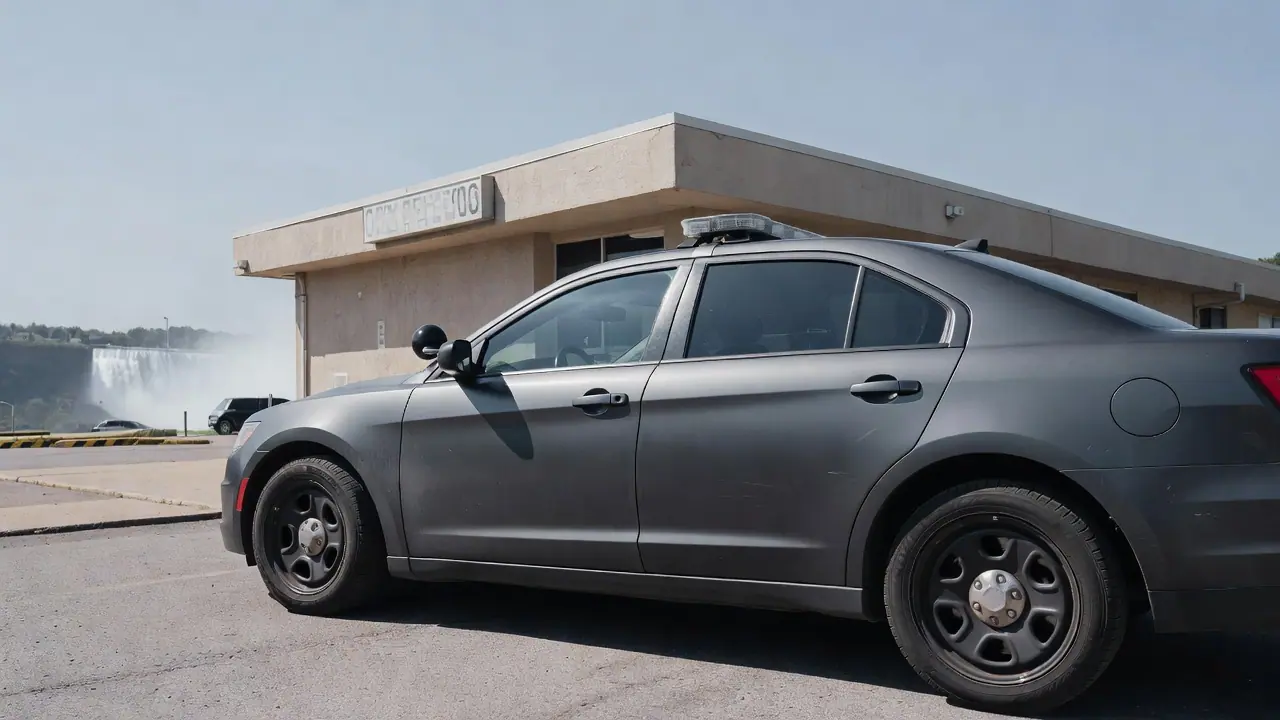

When an officer is charged after an on-duty incident, the case goes through the same criminal process as any other, and a preliminary inquiry only decides whether there is enough evidence for a trial. People affected by police incidents should also remember that civil claims follow their own rules and deadlines, separate from what happens in criminal court.
A veteran Toronto Police officer charged with manslaughter after a fatal police shooting outside the Ramada Inn in Niagara Falls had a one-day preliminary inquiry on Monday in a Welland courtroom. The hearing was held to decide whether the case should move forward to Ontario's Superior Court of Justice. The officer is 52 and has about 30 years of policing experience. The charge has not been tested at trial, and like anyone accused of a crime in Canada, he is presumed innocent. For readers who want to understand how cases like this move through the courts, our Ontario legal team follows developments that affect the public's rights.
The case dates back to July 30, 2025, when police carried out what the Toronto Sun described as a high-risk operation in Niagara Falls. The officer was a member of the Repeat Offender Parole Enforcement (ROPE) squad, which focuses on parole-related warrants. The man police were looking for was 40 years old and from Hamilton. The Sun describes him as having a long criminal record. He was wanted on an outstanding Canada-wide parole revocation warrant.
Police sources told the Sun that the man did not go along with the attempt to take him into custody. The Sun described the encounter outside the hotel as a life-and-death shootout. A Hamilton Police officer who was also part of the squad was taken to hospital with serious injuries from the violent confrontation. The 40-year-old man died.
The Special Investigations Unit (SIU) is Ontario's civilian police oversight agency. It looks into incidents involving police where a person has died or been seriously hurt. According to the SIU, the Toronto officer allegedly discharged his gun, striking the man. The officer now faces a charge of manslaughter.
A lawyer for the Toronto Police Association told the Sun the case is unusual and that the Crown's theory is somewhat unclear. He said he could not say more because the matter is before the courts. The Sun's reporter also called the way the officer came to be charged a puzzle. The Sun's headline describes the officer as facing trial. However, the available portion of the report does not explain the judge's ruling at the end of Monday's hearing. None of the allegations have been tested at trial.
Key Takeaways
A 52-year-old Toronto Police officer with about 30 years of service is charged with manslaughter
The charge relates to the July 30, 2025 shooting death of a 40-year-old Hamilton man outside the Ramada Inn in Niagara Falls
According to the SIU, the officer allegedly discharged his gun during a high-risk operation by the ROPE squad
A Hamilton Police officer on the squad was hospitalized with serious injuries from the confrontation
A one-day preliminary inquiry was held Monday in Welland to decide whether the case goes to Superior Court
The allegations have not been tested at trial, and the accused is presumed innocent
UL Lawyers Insight
This case shows how Ontario handles serious incidents involving police. When someone dies or is seriously injured during a police interaction, the Special Investigations Unit steps in. Police services do not investigate themselves in these cases. If charges are laid, the officer goes through the same criminal court process as any other accused person, including the presumption of innocence and the Crown's burden of proof.
A preliminary inquiry is a screening step, not a trial. A judge looks at whether there is enough evidence for a reasonable jury to convict. It does not decide guilt or innocence. Criminal cases are also separate from civil lawsuits. People harmed in a police interaction, or their families, may have separate options through civil litigation lawyers, whatever happens in criminal court.
If you want to learn more about how Ontario's courts and oversight bodies work, our legal resource library has plain-language guides on your rights and the legal process.
Action Checklist
What You Should Do
Write down what you saw or experienced as soon as possibleUrgent
Detailed notes about times, locations, and who was present are most reliable when made right away
Preserve photos, videos, and messages related to the incidentUrgent
Phone footage and texts can be lost or deleted, so back them up in a safe place
Get medical care and keep all records if you were injuredUrgent
Medical documentation supports any future complaint or civil claim
Note the two-year limitation period for civil claimsUrgent
Under Ontario's Limitations Act, 2002, most claims must be started within two years, even while a criminal case is ongoing
Consider a complaint to the Law Enforcement Complaints Agency
This agency reviews public complaints about officer conduct, separate from SIU investigations
Be careful about posting details online while a case is before the courts
Public statements could affect court proceedings or your own legal options
Speak with a lawyer about your civil options
A lawyer can explain how criminal, oversight, and civil processes interact in your situation
Your Rights and Options
If you are hurt during a police interaction in Ontario, there are several separate ways to seek accountability. The Special Investigations Unit Act, 2019 gives the SIU authority to investigate incidents involving police where someone dies, is seriously injured, or is shot at. Complaints about officer conduct can also go to the Law Enforcement Complaints Agency under the Community Safety and Policing Act, 2019. Under the Canadian Charter of Rights and Freedoms, anyone charged with an offence, including a police officer, is presumed innocent until proven guilty.
Civil claims are separate from criminal charges. Under Ontario's Limitations Act, 2002, most civil claims must be started within two years. Under the Family Law Act, certain family members may also be able to claim after a death. A criminal case does not pause that deadline. If you are unsure where you stand, you can request a consultation to talk through your options.
Common Questions Answered
How UL Lawyers Can Help
Being caught up in a serious incident involving police, whether you were hurt, witnessed it, or lost someone, can leave you overwhelmed and unsure who to trust. You may not know how the SIU, the criminal courts, and civil claims fit together, or which deadlines apply to you. At UL Lawyers, we explain the process in plain language, help you understand your rights, and review whether you may have a civil claim. We can also help you gather and protect important records. We offer a free consultation, so you can get clear answers before you make any decisions.
Have questions about your rights after a police interaction, or about deadlines for a civil claim? Our team is happy to talk it through with you in a free consultation.
Ontario Road Report
One email a week with the road and collision stories we covered in your city and across Ontario.
About this article:
Summary prepared with AI assistance from the linked source's reporting. Edited by UL Lawyers for Ontario context.
Accompanying images are AI-generated illustrations, not photographs of actual events or persons.
Important Legal Disclaimer
This page provides general information about a criminal case currently before the Ontario courts, based on published news reports. The accused officer is presumed innocent, and the allegations have not been tested at trial. This page is not legal advice. If you have been affected by a police interaction or are considering a civil claim, please consult a lawyer about your specific circumstances.
Source: TheTorontoSun
Named in this article? Request content removal