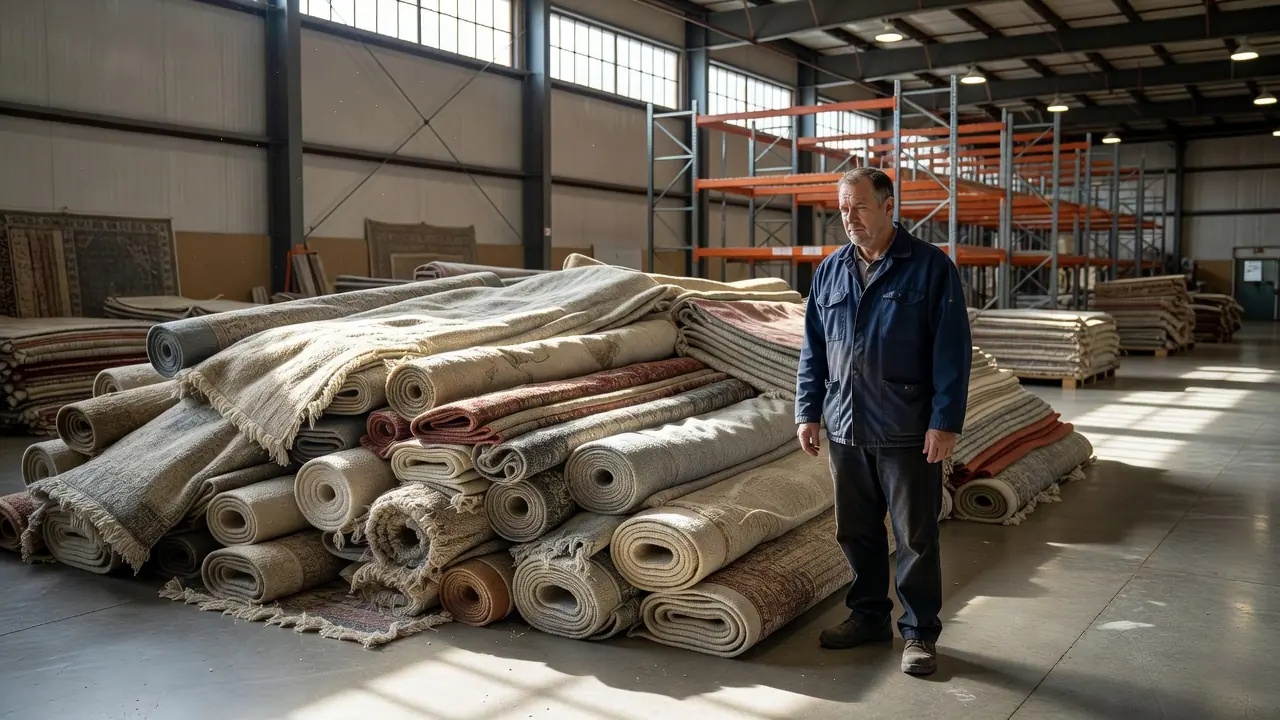

When a supplier contract includes an arbitration clause, the first battle is often about where the dispute will be heard, not who is right. Businesses should understand how returns, deductions and dispute terms work before they sign, because those clauses can shape both their margins and their options later.
A Toronto rug manufacturer has taken Costco Wholesale Canada Ltd. to court, alleging that the retailer's return policy and supplier terms have put its entire business at risk. Amskor Corp., a roughly 20-year-old company headquartered in Toronto's north end that sells rugs under the CAM Living label, filed its lawsuit in an Ontario court in May 2026. The claim, a clear example of how commercial contract litigation can unfold between suppliers and retailers, seeks about $9 million in damages for breach of contract, negligent misrepresentation and unjust enrichment. None of the allegations have been tested in court.
According to the statement of claim, the relationship began in 2017 when Amskor started supplying Costco with carpets and area rugs. Within about a year, the two sides were working toward a year-round program in which Amskor would supply shag rugs in two sizes. The company's head, a third-generation carpet salesman with 44 years in the industry, said the smaller rug would sell for up to $289 elsewhere and the larger for about $500, but Costco bargained very hard to price them at $99 and $199. He agreed to those terms in 2019, saying in an interview that landing such a large customer base felt exciting and that Costco held out the chance of carrying more Amskor products in the future. Years into the deal, Costco agreed to cost increases tied to the pandemic and shipping.
Amskor alleges Costco wanted to use the rugs as a loss leader, meaning a product priced below its market cost to draw shoppers in and lift sales of other goods. The company says its production facilities in Turkey could only supply rugs at or near cost if Costco sold high volumes and did not process a high number of returns. Amskor claims Costco led it to believe returns would stay within a manageable range of about four to five per cent, and asked it to open a west coast distribution centre in Vancouver to support the expanded business. The company also alleges Costco never disclosed the specifics of a return program Amskor now describes as "limitless."
Under the arrangement Amskor describes, Costco subtracts the value of returned items from payments owed to suppliers, then decides, often without telling the supplier, whether to restock, discount or dispose of the products. Amskor says it carried those costs without knowing what happened to the returned rugs. The company alleges it has had to close two distribution centres and cut staff because the supplier and return terms became untenable. Its head said the company had genuinely believed Costco's message about vendor loyalty, but its experience has led it to see that message as little more than marketing.
Costco and its lawyers did not respond to requests for comment and have not filed a statement of defence. According to legal documents provided by Amskor's head, Costco has asked for the case to go to arbitration instead of being heard by the courts, saying the lawsuit was improperly launched because both sides had contractually agreed to arbitrate disputes arising from their contract. The Canadian Press could not confirm whether Costco had filed that motion with the court. Costco's posted return policy broadly promises satisfaction and a refund on every product, with exceptions for certain electronics, diamonds, gold bars, cigarettes, event tickets and select other items, and no stated time limits for many products.
Key Takeaways
Toronto rug maker Amskor Corp. is suing Costco Wholesale Canada Ltd. for about $9 million, alleging breach of contract, negligent misrepresentation and unjust enrichment.
Amskor alleges Costco deducted the value of returns from supplier payments and led it to expect returns of about four to five per cent.
The company alleges it had to close two distribution centres and cut staff.
Costco has not filed a statement of defence; according to documents provided by Amskor, it wants the dispute sent to arbitration.
The allegations have not been tested in court.
UL Lawyers Insight
For Ontario businesses that sell to large retailers, this case shows how much can depend on the fine print. Supplier agreements often include return allowances, chargebacks and deductions that come straight off what a vendor is paid. If a contract lets a buyer offset returns against payments, a supplier's real margin depends on terms that may not be obvious when a deal is first signed. Claims like negligent misrepresentation, where one side says it relied on careless or inaccurate statements made during negotiations, often turn on what was said, what was written down, and what the final contract says.
The arbitration request matters too. In Ontario, when parties have agreed to arbitrate, a court will often pause a lawsuit and send the dispute to a private arbitrator, which can affect cost, speed and privacy. Business owners can find plain-language guides in our legal resource library.
When a supplier scales back, workers feel it as well. Employees affected by layoffs or closures in Ontario may have rights to notice or severance, and our employment law team can explain those rights.
Action Checklist
What You Should Do
Review your supplier agreement for return, chargeback and offset clauses
Know exactly how returns are charged to you and deducted from payments
Check for an arbitration or dispute resolution clause
This may decide whether a dispute goes to court or to a private arbitrator
Calculate your limitation deadlineUrgent
Most Ontario claims must start within two years under the Limitations Act, 2002
Preserve emails and notes from contract negotiationsUrgent
Records of promises about return rates or volumes can be key evidence
Track every deduction and return against your invoices
Clear financial records help show the real impact of return charges
Ask for written terms on what happens to returned goods
Knowing whether items are restocked, discounted or disposed of affects your losses
Get legal advice before expanding operations at a buyer's request
Make sure commitments like new distribution centres are backed by written terms
Speak with a lawyer before closing locations or reducing staff
Ontario employers have notice and severance obligations to affected workers
Your Rights and Options
If you supply products to a large retailer and believe the deal you were promised differs from how it is being carried out, you generally have options, but timing and paperwork matter. Under Ontario's Limitations Act, 2002, most civil claims, including breach of contract and unjust enrichment, must usually be started within two years of when you knew or ought to have known about the claim. Waiting to see whether things improve can put that deadline at risk.
Before suing, check your contract for an arbitration clause. Under Ontario's Arbitration Act, 1991, a court will generally stay a lawsuit when the parties agreed to arbitrate, subject to limited exceptions. That is the same issue Costco has raised in this case, according to Amskor's documents. If you are unsure which forum applies to your dispute, you can book a consultation with us to review your agreement.
Common Questions Answered
How UL Lawyers Can Help
When a key customer relationship starts to strain your business, it can feel like everything you have built is on the line. You may be worried about cash flow, your staff, and whether you can push back against a much larger company. At UL Lawyers, we take the time to understand your contract, your records and what was promised along the way. We explain in plain language whether your dispute belongs in court or arbitration, what deadlines apply, and what realistic outcomes look like. If you would like to talk it through, we offer a free consultation with no pressure.
Wondering how the return or arbitration terms in your own supplier contract would hold up? Our litigation team can review your agreement and walk you through your options.
Ontario Road Report
One email a week with the road and collision stories we covered in your city and across Ontario.
About this article:
Summary prepared with AI assistance from the linked source's reporting. Edited by UL Lawyers for Ontario context.
Accompanying images are AI-generated illustrations, not photographs of actual events or persons.
Important Legal Disclaimer
This page provides general information about a lawsuit filed in an Ontario court in which the allegations have not been tested in court, and Costco has not filed a statement of defence. It is not legal advice about any supplier agreement, arbitration clause or business dispute. Contract terms and deadlines vary, so please consult a lawyer about your specific situation.
Source: CP24
Named in this article? Request content removal