
For many suppliers, the most important terms in a retail agreement are the ones about returns, deductions and how disputes get resolved. Those clauses deserve as much attention as the price per unit.
A Toronto rug manufacturer is suing Costco Wholesale Canada Ltd., alleging that the retailer's well-known return policy has put its entire business in jeopardy. Amskor Corp., a roughly 20-year-old company headquartered in Toronto's north end that sells rugs under the CAM Living label, filed its claim in an Ontario court in May. The company is suing for breach of contract, negligent misrepresentation and unjust enrichment, and is asking for about $9 million in damages. Disputes like this one fall within commercial litigation in Ontario. The allegations have not been tested in court.
According to the claim, the relationship began in 2017, when Amskor started supplying Costco with carpets and area rugs. Within a year, the two sides were working to expand into a year-round program in which Amskor would supply two sizes of shag rugs. The man who runs Amskor said the smaller rug would sell for up to $289 elsewhere and the larger one for about $500. He said Costco negotiated very hard to sell them for $99 and $199. Years into the agreement, Costco agreed to cost increases tied to the pandemic and to shipping. He said he accepted Costco's terms in 2019 because landing such a large customer base was exciting and would put the brand in front of a much wider audience. He said the retailer also held out the possibility of further opportunities.
Amskor alleges that Costco wanted to use the rugs as a loss leader. A loss leader is an item sold below its market cost to draw shoppers in and boost sales of other goods. Amskor says its production facilities in Turkey could only support pricing at or near cost if Costco sold a high volume of rugs and did not process a high number of returns. The company alleges Costco led it to believe returns would stay in a manageable range of about four to five per cent. It also alleges Costco asked it to open a west coast distribution centre in Vancouver to support the larger business the partnership was expected to bring.
Amskor's statement of claim alleges that when products are returned, Costco charges suppliers by subtracting the value of the returns from payments owed. It alleges the retailer then decides whether to restock, discount or throw out the returned items, often without suppliers knowing. Amskor alleges it has had to close two distribution centres and cut staff because the supplier terms and return program became unworkable. Its head, a third-generation carpet salesman with 44 years in the industry, said in an interview that the company truly believed Costco's message of loyalty to its vendors. He said his experience now tells him that message is nothing more than marketing.
Costco's website broadly promises to guarantee satisfaction on every product it sells and to refund the purchase price. There are exceptions for some electronics, diamonds, gold bars, cigarettes, event tickets and select other items. Many products have no stated time limits. On web forums and social media, customers report the retailer accepting returns of half-eaten food, years-old stained furniture, used batteries and fresh-cut flowers weeks after purchase.
Costco and its lawyers did not respond to requests for comment and have not filed a statement of defence. According to legal documents provided by Amskor's head, Costco has asked for the case to go to arbitration instead of the courts. In those documents, Costco says Amskor improperly started the lawsuit because both sides had agreed in their contract to arbitrate disputes. The Canadian Press could not confirm whether Costco had filed that motion with the court.
Key Takeaways
Toronto-based Amskor Corp. is suing Costco Wholesale Canada Ltd. for about $9 million, alleging breach of contract, negligent misrepresentation and unjust enrichment.
Amskor alleges Costco led it to expect returns of about four to five per cent and deducted the value of returns from payments owed.
Amskor says it closed two distribution centres and cut staff; the allegations have not been tested in court.
Costco has not filed a statement of defence, and documents provided by Amskor show the retailer wants the dispute sent to arbitration.
Ontario suppliers should review return, deduction and arbitration terms in their contracts with large retailers.
UL Lawyers Insight
For Ontario businesses that supply large retailers, this case shows how much depends on the fine print. Return deductions, chargebacks, and who decides what happens to returned goods can quietly shape a supplier's profit. The case also raises the question of verbal assurances versus written terms. A negligent misrepresentation claim generally argues that one party relied on inaccurate information that the other side carelessly provided. Whether that applies here is for a decision-maker to determine.
Costco's reported request for arbitration is a reminder that many supplier agreements include arbitration clauses. These clauses can decide where and how a dispute is heard, often privately and outside the public court system. Businesses should know whether their contracts contain one before a conflict arises.
When a business shrinks, workers can feel the effects too. Amskor says it cut staff. Employees affected by downsizing may want to understand their rights under Ontario employment law. Business owners looking for background on contract disputes can explore our legal resource library.
Action Checklist
What You Should Do
Review your supplier agreements for return and deduction terms
Know how returns are charged back to you and who decides what happens to returned goods
Check for an arbitration or dispute resolution clauseUrgent
This may decide whether a dispute goes to court or to private arbitration
Keep written records of any verbal assurances or projectionsUrgent
Emails, meeting notes and forecasts can be key evidence if expectations are not met
Track return rates and payment deductions over time
Detailed data helps show financial impact and supports any damages claim
Note the date you first identified the problemUrgent
The Limitations Act, 2002 generally sets a two-year deadline from discovery
Get legal advice before making major investments a buyer requests
Opening facilities or expanding capacity on a buyer's request should be backed by clear contract terms
Review employee obligations before any downsizing
Staff reductions trigger notice and severance duties under Ontario employment law
Your Rights and Options
If you run an Ontario business and believe a customer or retailer has broken a supply agreement, you may have legal options. These can include claims for breach of contract, misrepresentation or unjust enrichment. Timing matters. Under Ontario's Limitations Act, 2002, most civil claims must generally be started within two years of when you knew, or ought to have known, about the claim. Waiting too long can end your right to sue, even if your case is strong.
If your contract includes an arbitration clause, Ontario's Arbitration Act, 1991 generally requires a court to pause a lawsuit and send the dispute to arbitration, with limited exceptions. That is why it helps to know your contract terms before you file. If you are unsure whether to go to court or arbitration, you can request a consultation to review your agreement and next steps.
Common Questions Answered
How UL Lawyers Can Help
When a key business relationship starts to unravel, it can feel like everything you have built is at stake. You may be worried about cash flow, your staff, and whether you have any real leverage against a much larger company. At UL Lawyers, we can review your supply agreements and help you understand any return or deduction terms and any arbitration clauses. We can also explain your options in plain language. Whether the right path is negotiation, arbitration or court, we will help you weigh the risks and deadlines. Reach out for a free consultation, and let's talk through your situation together. Our Litigation lawyers will make space to hear what happened, answer your questions in plain language, and offer a free consultation when you feel ready.
Wondering whether your supplier contract protects you if returns or deductions get out of hand? Our team can walk through your agreement with you and explain your options.
Ontario Road Report
One email a week with the road and collision stories we covered in your city and across Ontario.
About this article:
Summary prepared with AI assistance from the linked source's reporting. Edited by UL Lawyers for Ontario context.
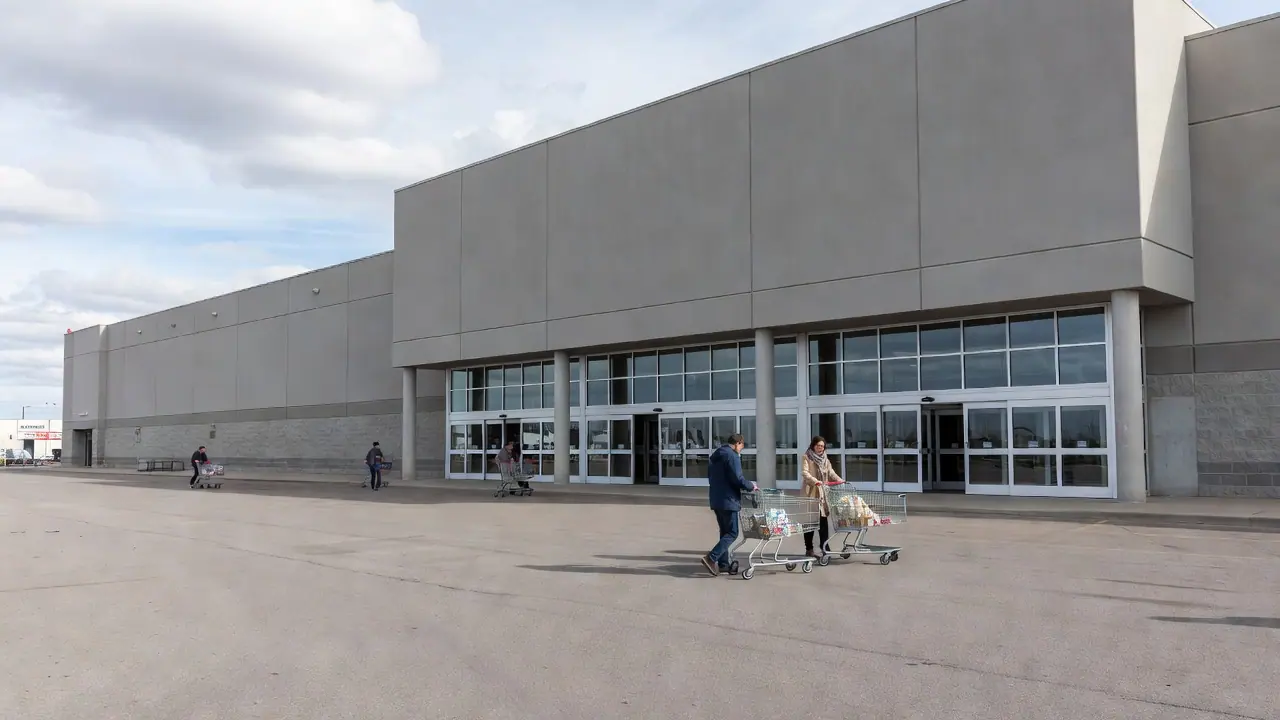
Accompanying images are AI-generated illustrations, not photographs of actual events or persons.
Important Legal Disclaimer
This page summarizes a civil lawsuit based on news reports; the allegations described have not been tested in court, and Costco has not filed a statement of defence. The information on this page is general and is not legal advice about any supply agreement, arbitration clause or employment situation. Contract terms and limitation periods vary, so please consult a lawyer about your specific circumstances.
Source: CityNewsTO
Named in this article? Request content removal