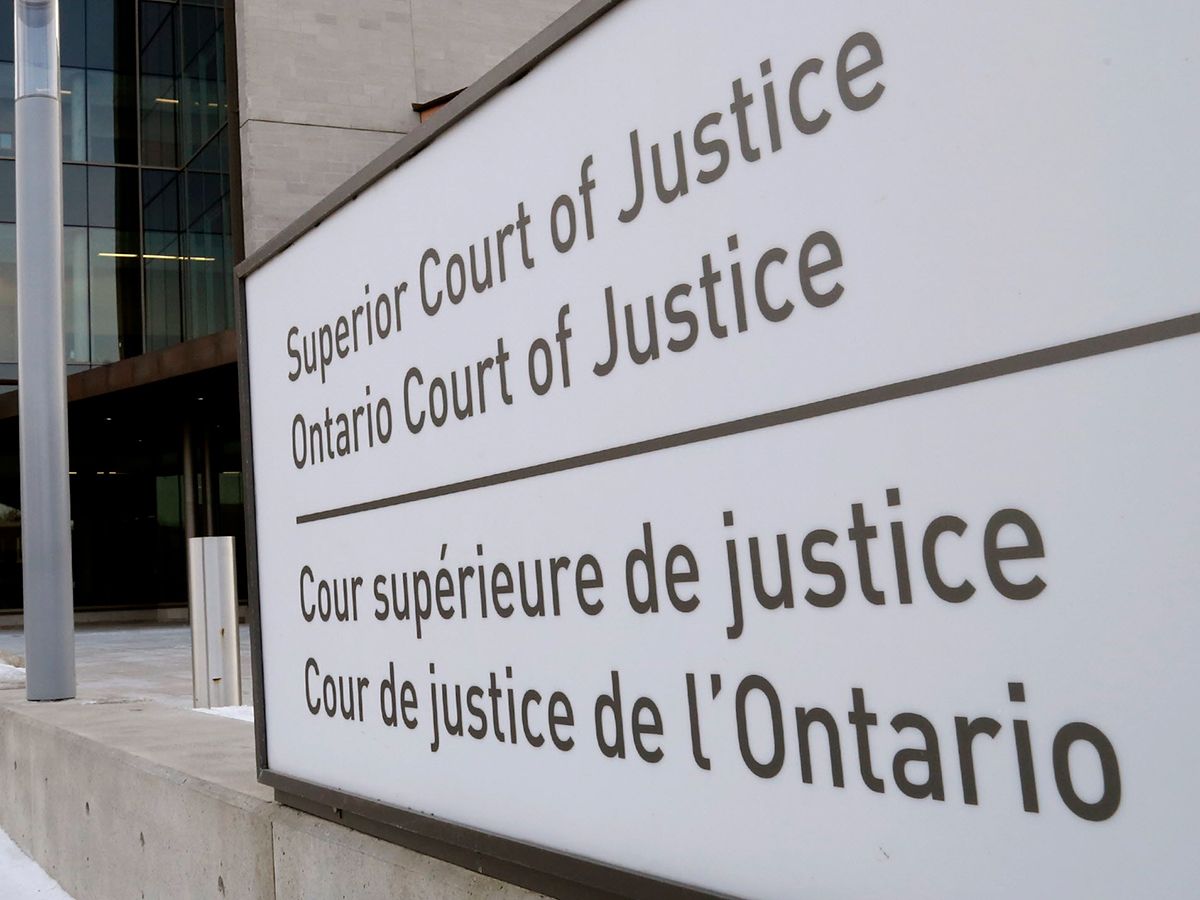
The Ontario Courthouse at 361 University Avenue in Toronto, representing legal justice developments.
A recent report by the Women’s Legal Education and Action Fund (LEAF) and Community Justice Initiatives is urging Ontario to reconsider its stance on restorative justice for sexual offences. Currently, a longstanding policy prohibits this approach, denying victims the chance to choose an alternative form of justice that could better meet their needs. This report highlights the potential benefits of restorative justice, emphasizing its role in allowing victims and offenders to resolve harm collaboratively, with the help of a facilitator. As the Ontario government evaluates this recommendation, it could lead to significant changes in how justice is served in these sensitive cases. UL Lawyers Legal Team are following these developments closely.
"Restorative justice could transform how victims engage with the legal system by offering them more control and satisfaction in seeking justice."
Legal Perspective: This perspective highlights the potential benefits of adopting restorative justice in Ontario, emphasizing its focus on victim empowerment.
Key Takeaways
Restorative justice offers a victim-centered alternative to prosecution.
The current policy limits victims' choice in seeking justice.
Potential changes could influence Ontario's criminal justice system.
What This Means for Ontario Residents
For Ontario residents, particularly those in Toronto and the Greater Toronto Area, this development could reshape the legal landscape for handling sexual offences. The report suggests that allowing restorative justice could provide victims with more control and satisfaction with the legal process. Currently, victims might feel sidelined by traditional prosecution methods that focus on punishment rather than resolution. By introducing restorative justice, Ontario could offer a more victim-centered approach, potentially leading to healing and closure for those affected. If adopted, these changes could also influence how other cases are handled in the criminal justice system, impacting the broader legal community. Litigation Lawyers can provide insights into how these changes might influence court proceedings.
What You Should Do
Stay informed about policy changes regarding restorative justice
Understanding new options can help you make informed decisions about seeking justice.
Consult with a legal expert about your current case Urgent
A lawyer can provide insights into how these changes might impact your legal options.
Consider the benefits of restorative justice
Evaluate whether this approach aligns with your personal needs and goals for resolution.
Engage with support groups for victims
Connecting with others can provide emotional support and shared experiences.
Document your experiences and needs
Having a clear record can aid in discussions with legal professionals about your case.
Your Rights and Options
As an Ontario resident affected by sexual offences, understanding your rights and options is crucial. If restorative justice becomes available, victims could have the opportunity to choose a process that aligns more closely with their personal needs and healing journey. It's important to stay informed about policy developments and how they might impact your case. Consulting with experienced legal professionals can help you navigate these changes and decide the best course of action for your situation.
Common Questions Answered
How UL Lawyers Can Help
Navigating the complexities of the legal system can be overwhelming, especially when dealing with sensitive issues like sexual offences. At UL Lawyers, we are committed to staying informed about the latest legal developments and how they might affect your rights. Our compassionate team is here to provide support and guidance, helping you understand your options and advocating for your needs. Reach out for a free consultation to discuss how we can assist you in navigating these potential changes.
Curious about how restorative justice could affect your case? Reach out to our legal team for a free consultation.
Important Legal Disclaimer
This article is intended for informational purposes and does not constitute legal advice. For specific legal guidance, please consult a qualified legal professional.
Source: Global News : Canada