Home / News / Vaughan Kidnapping Arrests: What Ontario Needs to Know

Vaughan Kidnapping Arrests: What Ontario Needs to Know

December 4, 2025
Updated December 4, 2025 at 12:08 p.m.
3 min read
CityNews Toronto
Share:
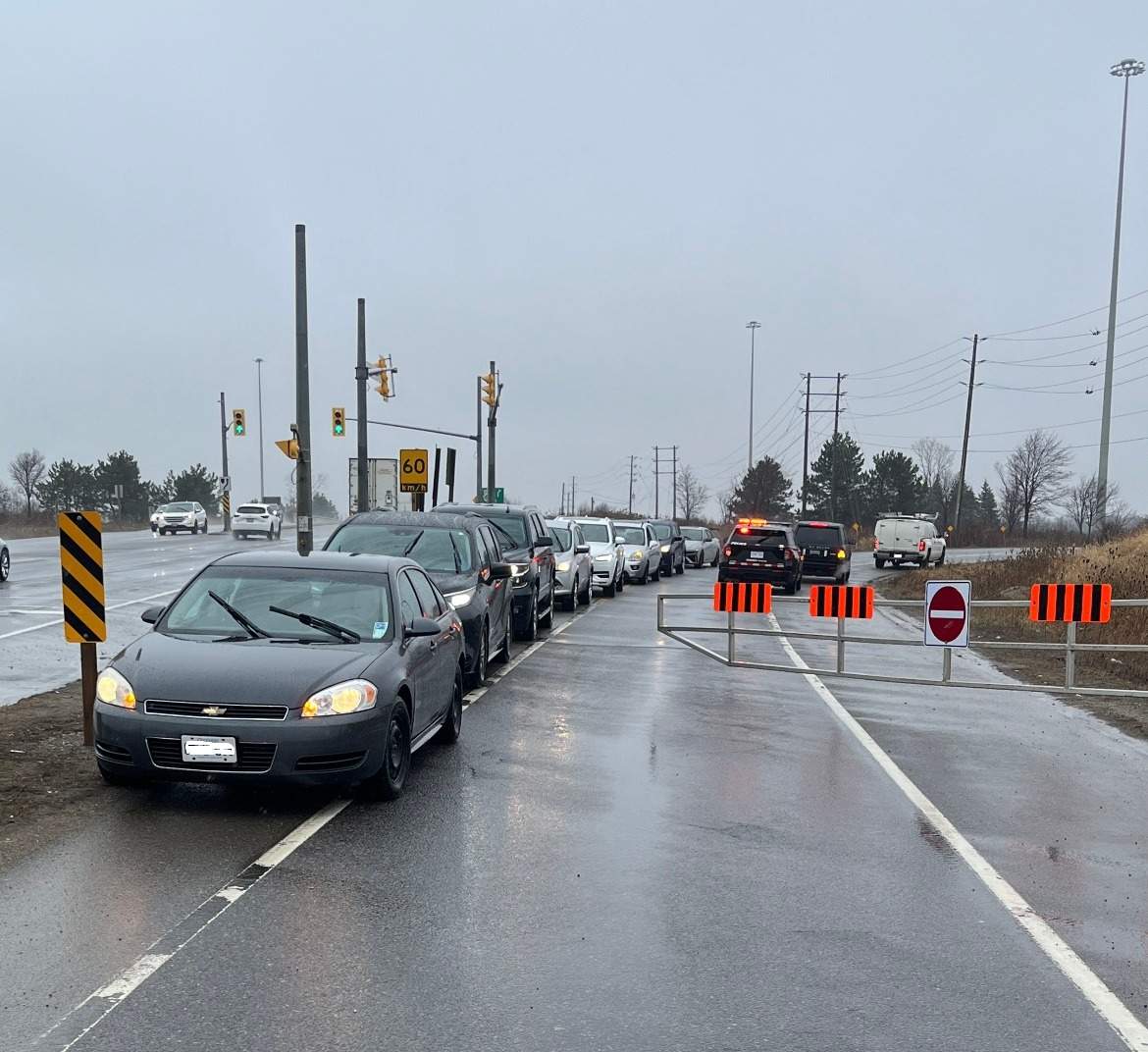
Police officers securing the area near Jane Street and Highway 7, related to a kidnapping investigation in Vaughan.

Police officers securing the area near Jane Street and Highway 7, related to a kidnapping investigation in Vaughan.

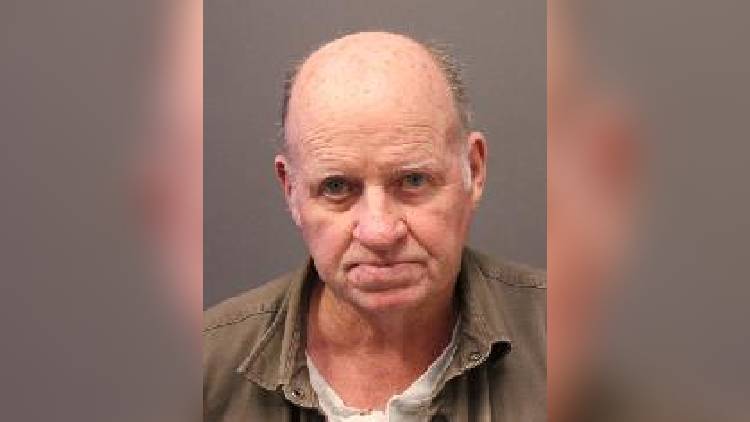
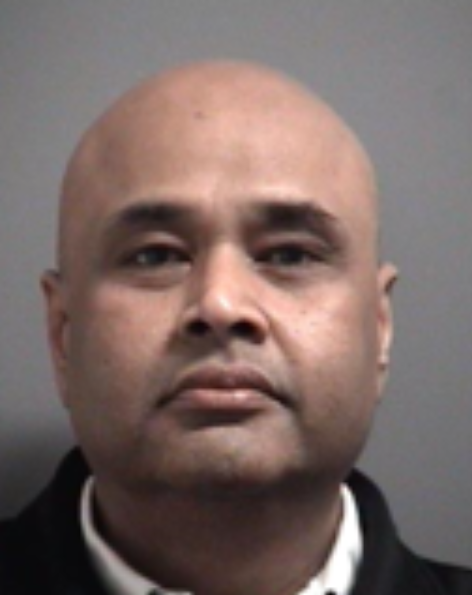
In a concerning incident, York Regional Police have charged four individuals, including two 15-year-olds, with the kidnapping of a 24-year-old man from Vaughan. The ordeal began on November 14 near Jane Street and Highway 7, where the victim was forced into a vehicle and held for days before being released near Meadowvale Road and Sheppard Avenue in Scarborough on November 19. Following an extensive investigation, suspects Nathan Haskett, 18, Shawn Dusome, 31, and two unnamed juveniles were apprehended in Toronto, facing multiple charges including kidnapping for ransom, forcible confinement, and arson.

"Kidnapping cases involving minors bring unique legal challenges that require careful navigation of the Youth Criminal Justice Act."

Legal Perspective: Understanding the complexities of the law is crucial to ensure both victims and accused individuals have their rights protected.

Key Takeaways

A Vaughan man was kidnapped and held for days, starting near Jane Street and Highway 7.

Four individuals, including two minors, have been charged.

The incident highlights serious legal implications for those involved.

What This Means for Ontario Residents

This incident underscores the serious legal implications of kidnapping cases in Ontario, affecting both the accused and victims. For residents, it highlights the importance of understanding what legal protections exist and how police investigations unfold in such situations. The involvement of minors brings additional complexity under the Youth Criminal Justice Act, emphasizing the need for appropriate legal counsel when young individuals are charged with serious crimes. If you or someone you know is involved in a legal case, understanding your rights is critical. Our UL Lawyers Legal Team is here to offer support and guidance.

What You Should Do

1

Seek immediate legal representation if accused Urgent

Early legal advice is crucial to protect your rights

2

Contact the police if you suspect a kidnapping Urgent

Immediate reporting can aid in rapid response and investigation

3

Preserve all evidence related to the incident Urgent

Gather any physical or digital evidence that may support the case

4

Understand the Youth Criminal Justice Act if minors are involved

Special legal considerations apply to minors in criminal cases

5

Utilize available victim support services

Seek emotional and practical support from local services

Your Rights and Options

In Ontario, both victims and accused individuals have specific legal rights. Victims should know they are entitled to protection and support from law enforcement throughout the investigative process. For those accused, especially minors, it's crucial to seek legal representation immediately to ensure their rights are protected under the Youth Criminal Justice Act. If you find yourself needing legal assistance, reach out for a consultation to understand your options.

Common Questions Answered

How UL Lawyers Can Help

We understand how distressing situations like these can be, whether you're involved directly or indirectly. At UL Lawyers, we provide comprehensive legal support, helping you navigate complex legal processes with confidence. Our experienced team is committed to protecting your rights and ensuring you have the guidance you need during difficult times. We invite you to contact us for a free consultation to discuss your situation and how we can assist you.

Facing a legal issue or have questions about your rights? Our team is ready to help with a free consultation.

Important Legal Disclaimer

This information is provided for general informational purposes only and does not constitute legal advice. For specific legal concerns, consult with a qualified attorney.