Home / News / DNA Identifies Killer in Toronto's 1980s Cold Cases

DNA Identifies Killer in Toronto's 1980s Cold Cases

December 11, 2025
Updated December 11, 2025 at 01:15 p.m.
3 min read
CBC | Toronto News
Share:
Toronto police using DNA testing equipment to solve cold cases

Toronto police using DNA testing equipment to solve cold cases

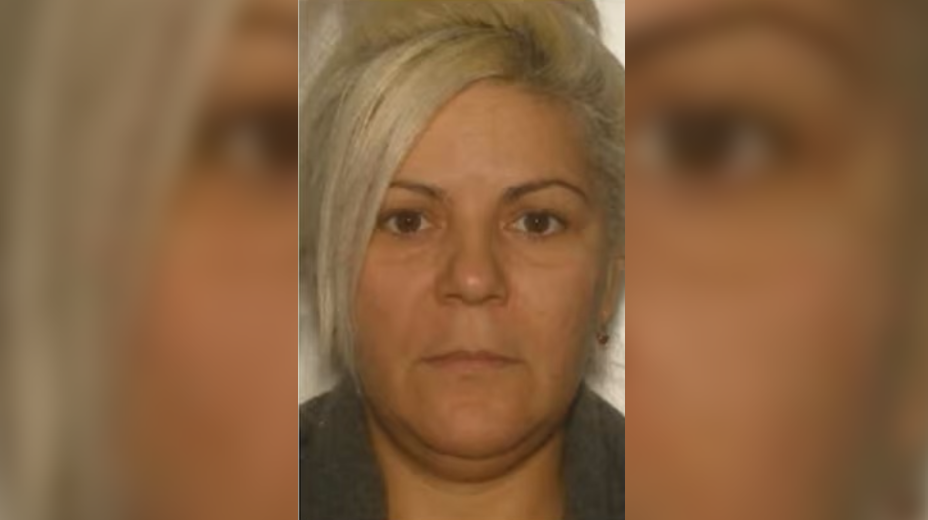
Toronto police have made a significant breakthrough in three cold case homicides from the 1980s, thanks to advances in DNA testing. Kenneth Smith has been identified as the perpetrator in the murders of three young women in Toronto, with the crimes occurring between 1982 and 1987. These cases, which haunted neighborhoods across Toronto, illustrate the power of evolving forensic technology to bring justice, even decades later. For residents of Ontario, this development highlights the power of modern technology in solving old cases, potentially bringing closure to families who have waited for justice.

"The identification of a suspect in long-unsolved cases through DNA testing highlights the critical role of science in the legal process."

Legal Perspective: This advancement not only aids in solving crimes but also ensures that justice is served, potentially transforming the landscape of cold case investigations.

Key Takeaways

DNA testing identified Kenneth Smith in 1980s Toronto homicides

Forensic advancements bring closure to long-unsolved cases

Legal frameworks must adapt to support new technologies

What This Means for Ontario Residents

For Ontario residents, especially those affected by unsolved crimes, this breakthrough underscores the importance of forensic advancements in the legal system. Such developments can have profound implications for ongoing investigations, offering renewed hope in cases that seemed impossible to solve. It also reinforces the need for a robust legal framework that supports the use of new technologies to uphold justice. As legal professionals, we understand the impact these advancements have on the pursuit of justice and the importance of staying informed about changes that might affect our clients' rights. Consulting with litigation lawyers can provide insights into how such developments might influence current or future cases.

What You Should Do

1

Stay informed about forensic advancements

Understanding new technologies can affect the outcome of legal cases

2

Consult with legal experts about potential case impacts

Legal advice can clarify how new evidence might influence your case

3

Review any unsolved cases for new evidence possibilities

New forensic methods may provide leads in old cases

4

Document any new findings thoroughly Urgent

Accurate documentation is crucial for legal proceedings

5

Discuss with family members about potential case reopenings

Preparation and understanding among affected parties are important

Your Rights and Options

Ontario residents should understand that advancements in forensic technology can lead to significant legal outcomes, potentially reopening closed cases or strengthening ongoing investigations. The legal system continues to evolve, offering new avenues for justice through scientific innovation. If you or a loved one are involved in a case that might benefit from recent technological developments, consulting with experienced legal professionals can clarify your rights and options.

Common Questions Answered

How UL Lawyers Can Help

At UL Lawyers, we understand that legal matters can be complex and stressful. Whether you're dealing with a past case that might be reopened or seeking advice on current legal issues, our team is here to support you. Our experienced lawyers are committed to staying informed on the latest developments in the legal landscape, ensuring you receive the best possible guidance. We're here to listen, understand your concerns, and help you navigate your legal journey with confidence. Reach out for a free consultation to learn how we can assist you.

Curious about how new forensic technologies might affect your legal situation? Contact us for a free consultation to explore your options.

Important Legal Disclaimer

This article provides general information only and does not constitute legal advice. For specific legal issues, consulting with a qualified lawyer is recommended.