Home / News / Windsor U's Boycott of Israeli Universities Sparks Legal Battle

Windsor U's Boycott of Israeli Universities Sparks Legal Battle

November 30, 2025
Updated November 30, 2025 at 10:04 a.m.
3 min read
National Post - Canada
Share:
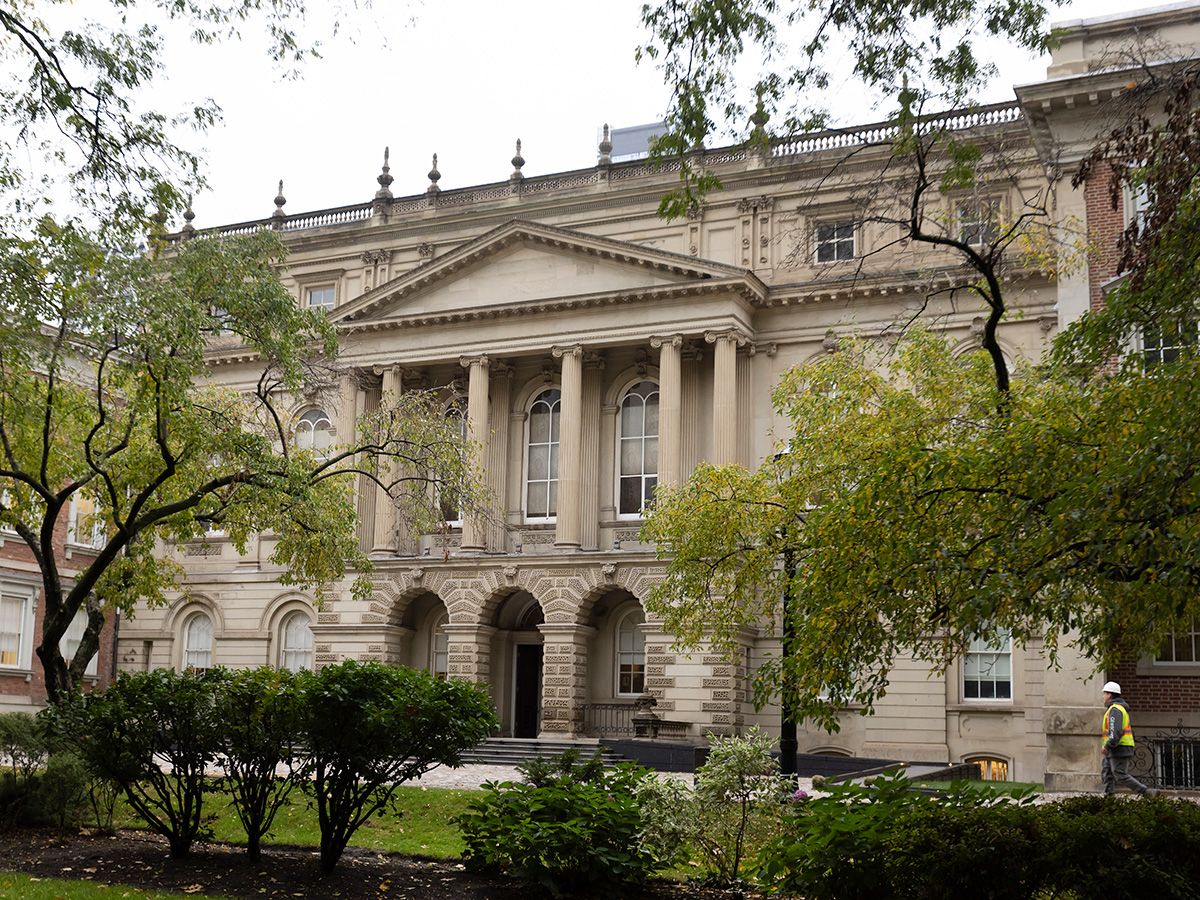
University of Windsor campus with protest banners related to Israeli boycott.

University of Windsor campus with protest banners related to Israeli boycott.

The University of Windsor, located in the heart of Windsor, Ontario, has recently come under scrutiny following its decision to boycott Israeli universities. This decision was part of an agreement with protesters to end anti-Israel encampments on the campus. The move has sparked a legal challenge from the Centre for Israel and Jewish Affairs (CIJA), which argues that the boycott is discriminatory and targets Israeli institutions exclusively. The Ontario Ministry of Public and Business Service Delivery upheld the university's agreement, prompting CIJA to appeal the decision.

"This case underscores the delicate balance between institutional autonomy and adherence to discrimination laws."

Legal Perspective: Understanding these dynamics is crucial for universities and organizations navigating similar legal challenges.

Key Takeaways

The University of Windsor has agreed not to pursue institutional agreements with Israeli universities.

CIJA has filed a legal challenge citing discrimination based on nationality.

The Ontario court upheld the university's agreement, prompting further appeals.

What This Means for Ontario Residents

For residents of Ontario, this development could have significant implications on how discrimination laws are interpreted in educational settings. The University of Windsor's action highlights the tension between freedom of expression and anti-discrimination laws. If upheld, this decision could set a precedent that impacts how universities across Ontario manage international partnerships and respond to political pressures. It's crucial for Ontario residents, especially those in academic circles, to understand their rights and the legal frameworks governing discrimination and freedom of association in public institutions. For more on how such legal frameworks may affect you, our legal team is here to help.

What You Should Do

1

Review existing agreements with international institutions

Ensure compliance with anti-discrimination laws in current and future partnerships.

2

Consult legal experts on discrimination law Urgent

Gain clarity on how laws apply to academic agreements and policies.

3

Monitor legal outcomes of similar cases

Stay informed about precedents that could affect institutional policies.

4

Engage with stakeholders on policy impacts

Understand the broader implications of agreements and boycotts on campus communities.

5

Educate staff and students on discrimination laws

Promote awareness and compliance within the institution.

Your Rights and Options

Ontario residents should be aware that discrimination laws are designed to protect individuals from unfair treatment based on nationality, among other factors. If you feel that your rights are being compromised in an educational or workplace setting due to similar policies, it's important to understand the legal avenues available to address these concerns. Consulting with experienced legal professionals can provide guidance and help you navigate potential legal challenges.

Common Questions Answered

How UL Lawyers Can Help

At UL Lawyers, we understand that legal battles like this can be daunting and complex. If you are facing discrimination or feel that your rights are being infringed upon, our dedicated team is here to provide support and guidance. We offer personalized consultations to discuss your situation and explore your legal options. Reach out to us for a free consultation to ensure that your rights are protected and your voice is heard.

Facing a complex legal issue or discrimination concern? Contact us for a free consultation to explore your options.

Important Legal Disclaimer

This article provides a general overview of legal developments related to university policies and discrimination laws in Ontario. For specific legal advice, please consult a qualified lawyer.